
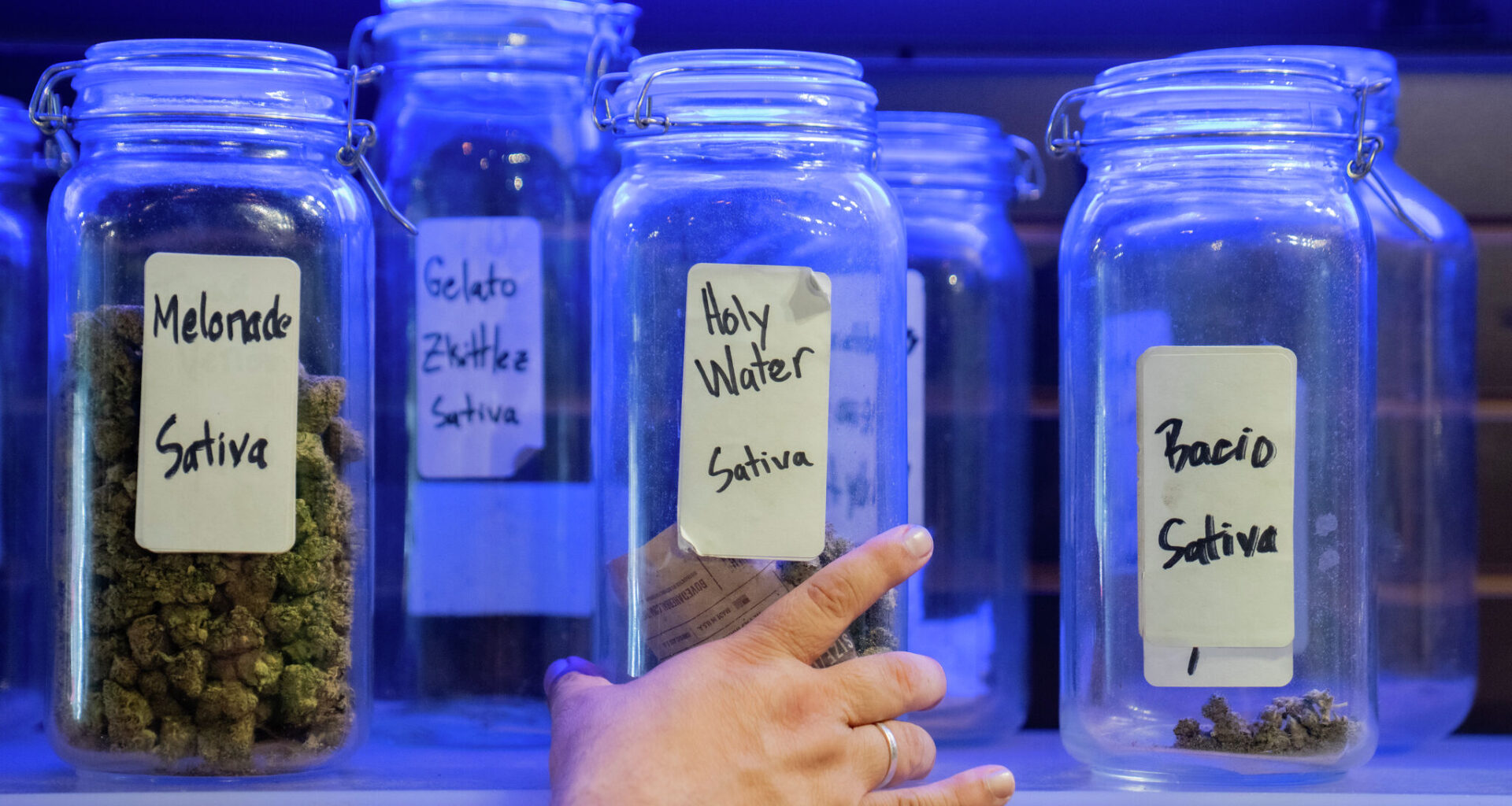
New Texas regulations that took effect March 31 prohibit the sale of smokable hemp and certain extracts, a shift that could disrupt consumers and businesses across the state.
Industry groups warn the changes could push buyers toward unregulated products. The Texas Hemp Business Council said it plans to challenge parts of the rules, including restrictions on THCA flower and licensing fees, though no lawsuit had been filed as of publication.
“People are going to look for alternatives,” executive director Mark Bordas told Axios Houston. “If they can’t get it in store or online, they’re going to get it from somebody they know who knows somebody. That’s where things get really frightening.”
Here’s what to know about the new rules — and what they mean for Texans.
The regulations tighten how Texas measures THC in hemp products.
Previously, hemp was legal if it contained no more than 0.3% delta-9 THC by dry weight. The new rules adopt a “total THC” standard, which includes THCA — a compound that becomes intoxicating when heated — in that calculation.
The changes effectively ban smokable hemp products and some extracts.
The rules also raise licensing fees for businesses:
Yes — Texans can legally purchase cannabis in states where it is permitted.
Neighboring states such as New Mexico allow both recreational and medical use, while Oklahoma and Louisiana allow medical use.
For example, New Mexico law allows possession of up to 2 ounces of cannabis flower, 16 grams of concentrate or 800 milligrams of edibles.
Possession of marijuana in Texas is also illegal outside limited medical use. Penalties depend on the amount:
Texas does not recognize medical marijuana cards issued by other states.
Only patients enrolled in the state’s Compassionate Use Program can legally access low-THC cannabis, and it must be prescribed by a Texas-registered physician.