
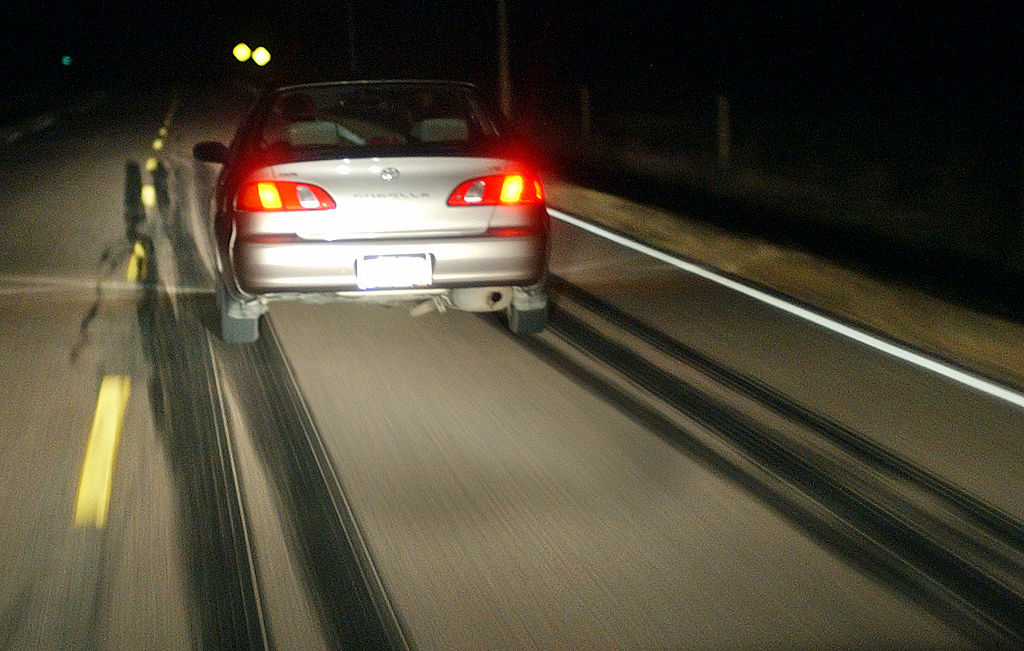
If you’ve driven on Texas roads, more likely than not, you’ve probably encountered a few tailgaters (someone driving too closely behind your vehicle) during a commute. This situation can sometimes lead to a driver purposefully slamming on their brakes to get the driver behind them to stop tailgating or result in a crash.
But is brake checking a driver illegal in Texas, and if so, what are the consequences? Here’s what legal experts say is the right answer.
Although Texas does not have a specific law prohibiting brake-checking, the state does have laws requiring drivers to maintain safe following distances. Under Texas Transportation Code § 545.062, drivers following another vehicle must leave “an assured clear distance” between each other to ensure a driver can stop, considering the speed, traffic and road conditions, without colliding with the front vehicle.
The law also prohibits reckless driving, which makes it an offense to have “willful or wanton disregard for the safety of others or property.” This is why many law firms like Dallas-based attorney Aaron A. Herbert warns drivers that if you brake-check someone and cause a car accident, police can cite you for reckless driving.
“Brake checking is an aggressive driving tactic that is not the standard procedure for these situations,” the Herbert law firm said. “If someone is tailgating you, calmly switch lanes to allow that driver to pass. Even if the following driver is speeding, tailgating, driving aggressively or otherwise in the wrong, do not put yourself at risk by brake checking the driver.”
So yes, brake-checking is in fact illegal in Texas. On top of that, drivers who are caught brake-checking another driver can risk a state fine of up to $200, a jail sentence of up to 30 days, or both, according to the Liggett Law Group.
“Not only do brake checks have the potential to injure other drivers, but the driver performing a brake check can suffer significant injury,” the law group wrote. “Slamming on brakes creates an adverse chain reaction, often leading to costly property damage and personal injury.”
According to the Liggett Law Group, Texas law assigns proportionate responsibility in a car crash, meaning a driver cannot recover damages when found to be greater than 50% at fault. The tailgating driver may also be assigned a percentage of fault, depending on the situation.
If the rear driver is determined to be less than 50% responsible for a driving crash, they can seek damages.
“It is the rear driver’s responsibility to keep an adequate following distance, pay attention to the road and hit the brakes when other drivers reduce their speed,” per the Herbert law firm. “In a brake checking accident, the rear driver could face liability for the collision, as it was his or her duty to hit the brakes in time to avoid crashing into the back of the lead driver.”
So ultimately, it’s important to practice safe driving on Texas roads and avoid brake checking or tail-gating altogether.