
The St. Edward’s University Civics Lab class recently launched Get Fertilizer Wiser, a student-led organization affiliated with the Kozmetsky Center and managed by David Thomason, associate professor of political science and director of the Kozmetsky Center. It is a grassroots education campaign aiming to teach the public about responsible fertilizer use and its impact on water quality, environmental health and local communities.
The campaign has been in motion since September 2025, starting as a class in the fall, and has since transformed into a student-led campaign that works with local businesses and leaders in environmental protection to spread word about the impact of fertilizer use.
Starting in October, the class went to local neighborhoods to directly interact with the community and spread word about their mission. That month, they hosted a community town hall meeting with a panel of guest speakers to talk about the impact of fertilizer on local ecosystems. Students, professors, professionals and community members showed up to learn about these impacts, demonstrating the effectiveness of this small grassroots effort.
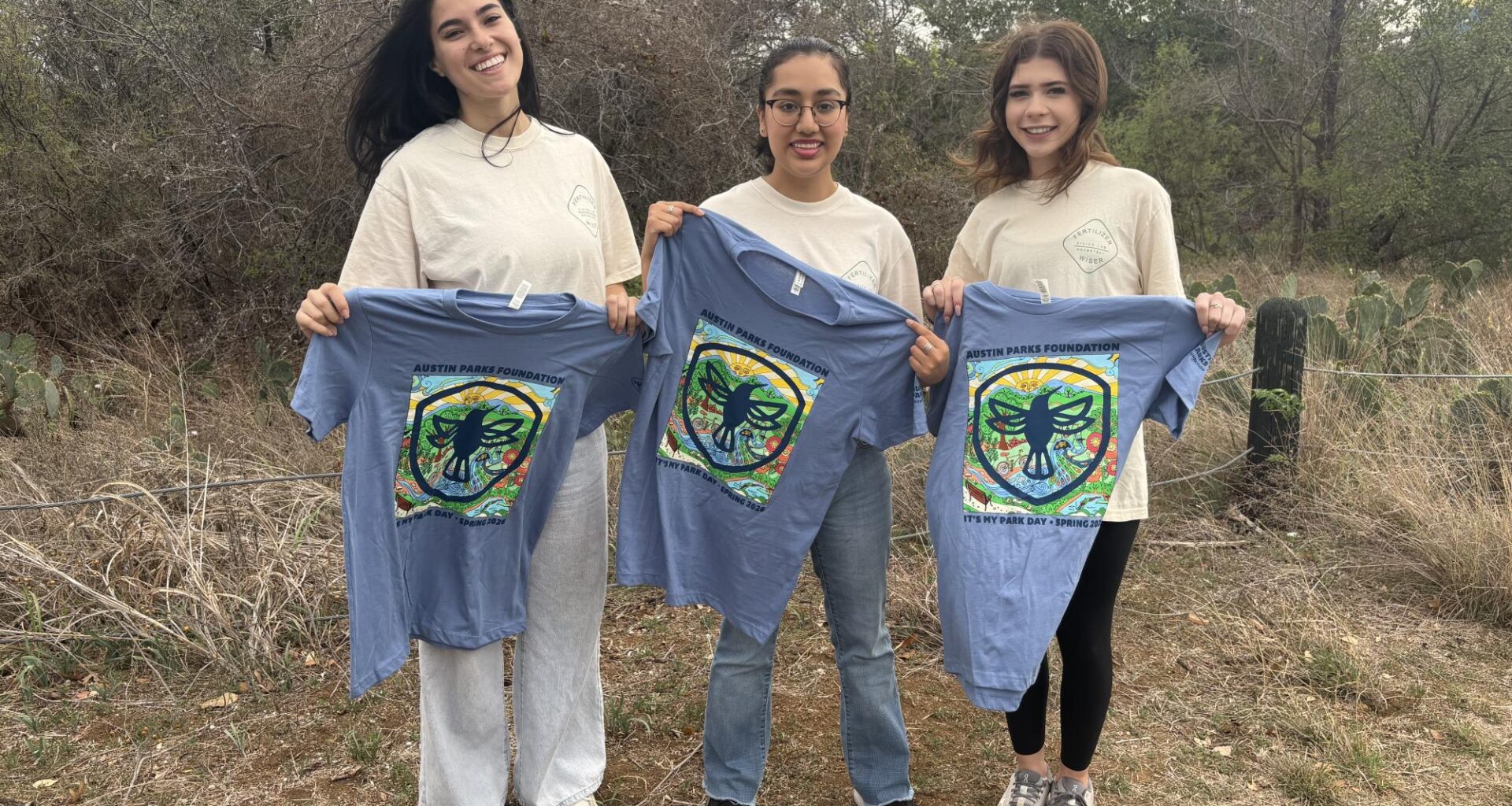
After the semester ended, a handful of students chose to continue the grassroots campaign, expanding its goals and outreach to make a wider impact on the community. They have spoken at the Texas Nursery and Landscaping Association, presented at the TRACS conference and volunteered with local organizations to stay connected with the community and spread their cause.
“Keeping the community at the center has been a driving force of this campaign,” said Bella Rodriguez, one of the student interns working on Get Fertilizer Wiser this spring. “I’ve learned that civic engagement can take place in so many different ways. It’s not just about getting out there and voting like people tend to think; It’s about engaging with your local community in ways that are meaningful.”
They group is also in communication with Austin City Hall to spark conversations about their initiative at a higher level.
“I hope we can go to the city with this project to create a rebate incentive program for homeowners to make the switch to more sustainable practices with the use of organic fertilizer,” Rodriguez said. “We have been working as a team to learn more about how to go about this process, contact city officials and learn the inner workings of local government.”
The team has several upcoming goals to expand their influence, including partnering with local elementary schools and the Lower Colorado River Authority as an education initiative and continuing to find partnerships and gain recognition.
These plans reflect the broader purpose of the campaign, which Rodriquez emphasizes is rooted in education and collaboration rather than strict regulations.
“We aren’t looking to mandate anything with this campaign,” Rodriguez said. The campaign is about “bringing people into the conversation about what options are available for them to make better sustainable choices that will make a more sustainable Austin.”
To get in touch with them and learn more about the campaign, you can reference their website at getfertilizerwiser.com or their Instagram @getfertilizerwiser.