
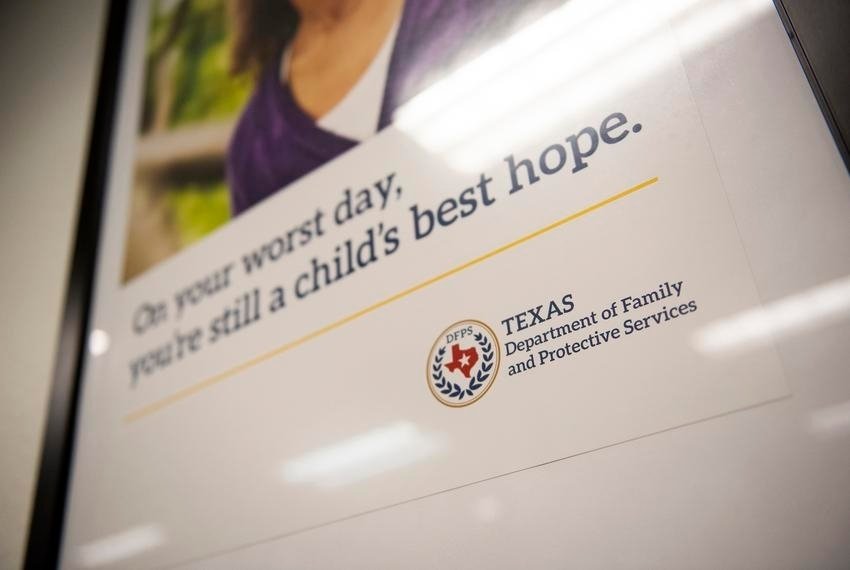
This incident sounds the alarm that something has gone very wrong, confirming fears that some who have been following the state’s approach to foster care had from the beginning. Under the community-based care model, local nonprofits — not the state — take the lead on managing children’s cases.
Texas’ foster care system has been in crisis for a long time.
In 2015, the U.S. District Court for the Southern District of Texas ruled that the foster care system violated the Constitution’s guarantee that foster children be kept safe from harm. Local leaders were appalled that children placed in foster care and shuffled from placement to placement were ending up worse off than in the homes they were removed from in the first place.
Two years later, facing mounting pressure to do something about the system after alarming reports of children without placement running away from case workers and sleeping in hotels and Child Protective Services offices, state leaders passed a bill that would move the foster care system to a community-based model.
But is the community model working?
The idea was that local nonprofits closer to the communities where the children live could better connect them to homes and services than a centralized state agency. The Texas Department of Family and Protective Services would step back from direct case management and independent contractors would step in.
But this latest tragedy raises serious questions about whether this model is making progress to improve outcomes for children.
Court documents said Empower, the nonprofit that the state is stepping in to manage, placed foster care children in danger, citing a newborn that died after the agency failed to create a plan for care and another baby that died after being reunited with its parents without proper safeguards and assessments.
These failures show that reporting requirements and oversight are not working as they should.
The rollout of the program has been slow, but by 2029, all of the state’s foster care is expected to be under the community model. This makes it all the more urgent to assess what is and isn’t working before the model expands and risks compounding harm.
This is difficult work. Children in foster care often have complex medical and behavioral needs. But that only makes it more essential that the system designed to protect them is executed with care and accountability.
This moment should be a wake-up call for state officials to assess whether they have a good grasp on how the foster care system is working. Are there enough qualified organizations willing and able to do this work? Are contracts structured in a way that ensures regular monitoring and rigorous oversight? Are there enough wraparound services for children and families in the system?
And most importantly, are we making progress in helping the children that this program is supposed to serve, or are we shifting responsibility without delivering better results?