
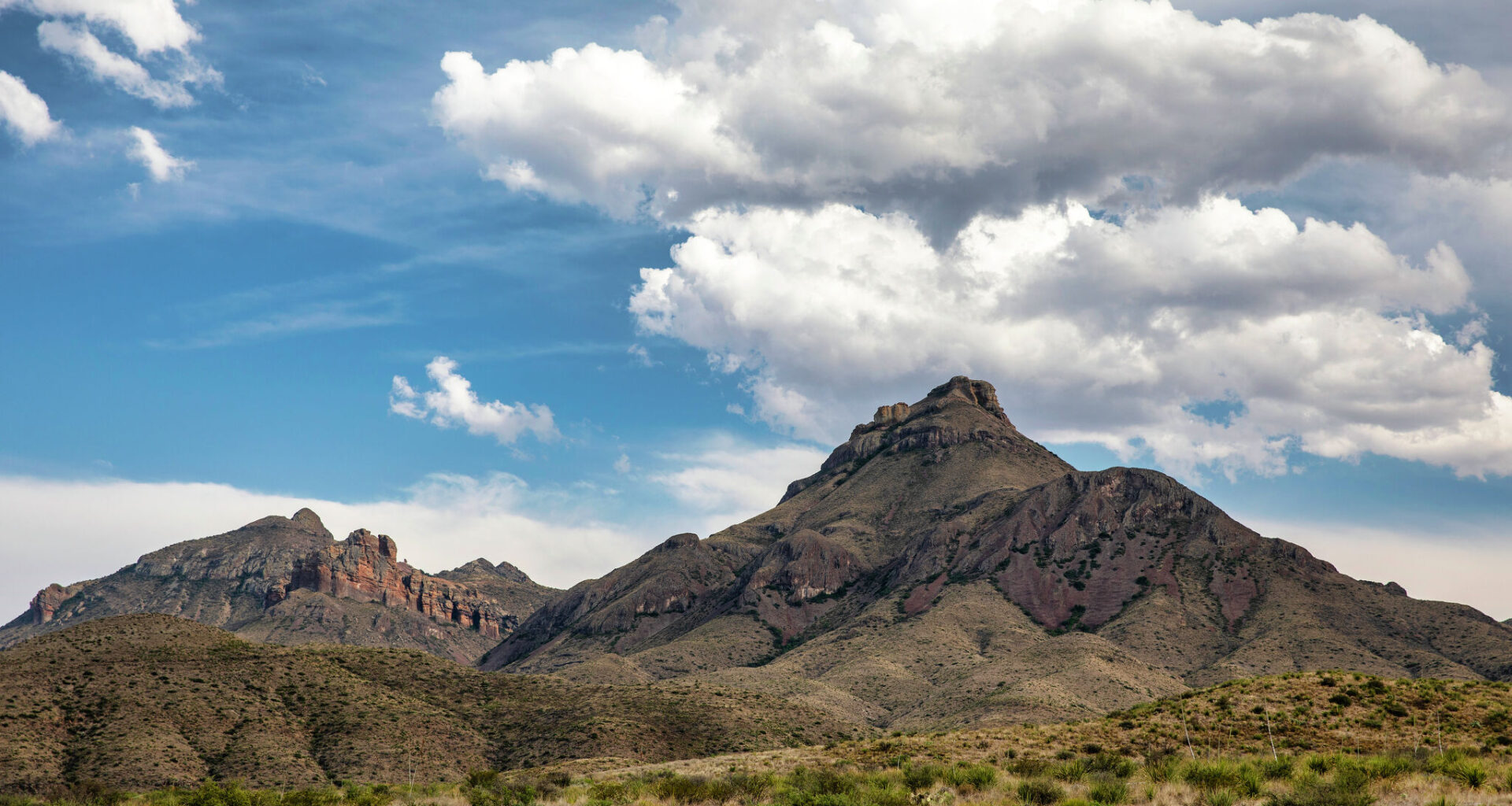
Two Texas national parks ranked as top destinations for U.S. travelers to “enjoy the national beauty of the American wilderness,” according to a recent report from HomeToGo. This ranking comes as national park advocates raise concerns about the future of the treasured landscapes, including an ongoing controversy over a proposed wall through Big Bend National Park.
HomeToGo listed Guadalupe Mountains National Park at No. 16 and Big Bend National Park at No. 26 in its top U.S. national parks to visit in 2026. The report stated that 40% of U.S. travelers plan to visit national parks and wilderness areas this year. Researchers ranked the parks based on accommodation affordability, expected levels of crowding, and ease of access.
The study pulled information from its HomeToGo price data to find the median cost per night per person, used recent annual visitor figures and assessed travel convenience on the proximity to major transport hubs and road access. Death Valley National Park in California ranked in the top spot, while Petrified Forest National Park in Arizona and Shenandoah National Park in Virginia claimed second and third.
“Whether you’re chasing wide-open wilderness, seeking quieter corners off the beaten path, or simply looking for a well-balanced escape without the logistical headache, this ranking brings together the parks that deliver — from sprawling, under-the-radar landscapes to well-connected natural standouts,” HomeToGo stated in its ranking.
More than 320 million people visited America’s national parks in 2025, according to new data released by the National Park Service on March 13. Big Bend National Park had over 568,000 visitors, while the Guadalupe Mountains totaled about 206,000.
“The enduring popularity of America’s national parks is not surprising,” NPCA stated. “What’s shocking is this administration’s relentless attacks on these places and their caretakers, which threatens their future.”
The rise in popularity of national parks also comes as the Trump administration unveiled, and then removed plans, to build a border wall through the remote Big Bend region of West Texas, which includes lands near the national park and Big Bend Ranch State Park. Locals, environmentalists, former park officials, ranchers and some Texas political leaders have protested and lobbied against the proposal.
The New York Times reported that a Customs and Border Protection online map was changed to remove plans for a physical barrier in Big Bend National Park after it sparked bipartisan opposition. Mike Banks, the Border Patrol chief, told Texas Gov. Greg Abbott that there would be no wall in either the national park or the Big Bend Ranch State Park, according to the New York Times.
However, the New York Times reported that federal officials say a roughly 175-mile-long wall would still be built from the state park through Presidio and Hudspeth counties. José Portillo Jr., the county judge in Presidio County, told the publication, “The fight is not over.”