
NASA
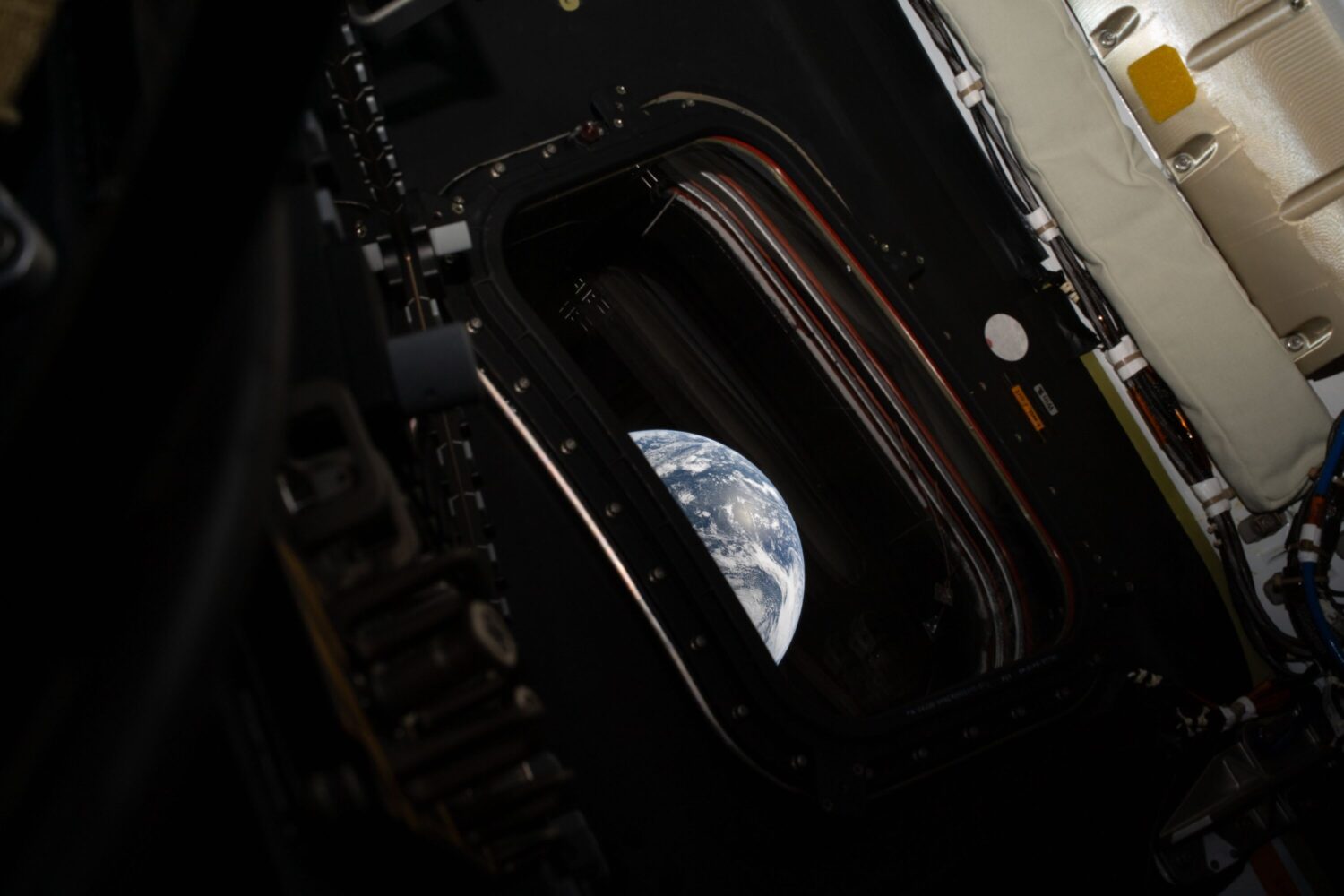
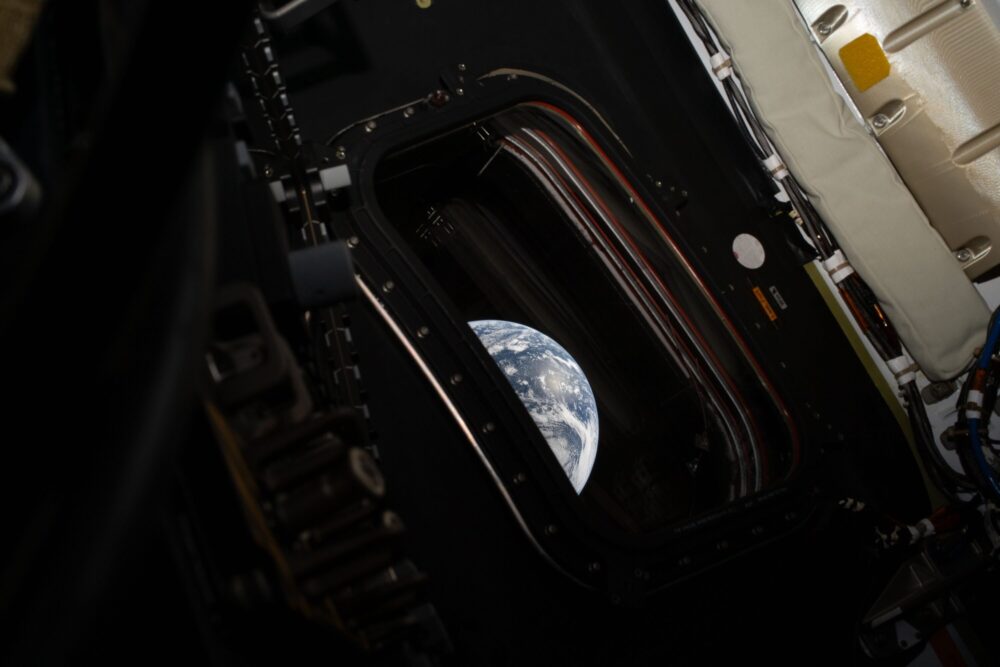
The first photos from the Artemis II mission, taken by commander Reid Wiseman, depict the Earth as seen by the astronauts aboard the Orion spacecraft.
In the late hours of Sunday evening, the moon’s gravity will begin to pull in four humans for the first time in more than half a century. The Artemis II mission will enter the lunar sphere of influence, where the moon’s gravitational pull on the spacecraft is stronger than that of the Earth.
By Monday, the astronauts are expected to be in their lunar flyby, coming within 4,000 and 6,000 miles of the lunar surface. That includes swinging past the far side of the moon and laying eyes on certain parts of the moon that have never been seen with human eyes before.
From the astronauts’ perspectives, NASA says the moon will appear roughly the size of a basketball held at arm’s length.
Sign up for the Hello, Houston! daily newsletter to get local reports like this delivered directly to your inbox.
NASA will begin its coverage of the lunar flyby around 11:45 a.m. CT Monday. The flyby will last as long as five hours, during which the crew will be mainly focused on taking pictures and videos of the moon.
RELATED: Take a look at the first photos from Artemis II’s lunar mission
The four astronauts plan to speak from the Orion spacecraft around 9:30 p.m. Monday. That will be livestreamed on NASA’s official feed.
During the flyby, NASA anticipates there will be a period of between 30 and 50 minutes where the crew will lose communication with Mission Control at Houston’s Johnson Space Center while flying by the far side of the moon. Notably, during that time, the crew will witness their own personal solar eclipse as the moon blocks out the sun.
At about 12:45 p.m. CT Monday, Artemis II could break the record for the farthest distance humans have ever traveled from Earth. Apollo 13 set the record in 1970 at 248,655 miles; it’s possible Artemis II could go a few thousand miles farther.
RELATED: Artemis II shoots toward the moon, making crucial maneuver to leave Earth’s orbit
The lunar flyby is something of the climax of the mission. It will be the closest humans have been to the moon since the Apollo program ended in 1972. After spending much of the day by the moon on Monday, the crew will continue to fly around it before leaving the lunar sphere of influence several hours later.