
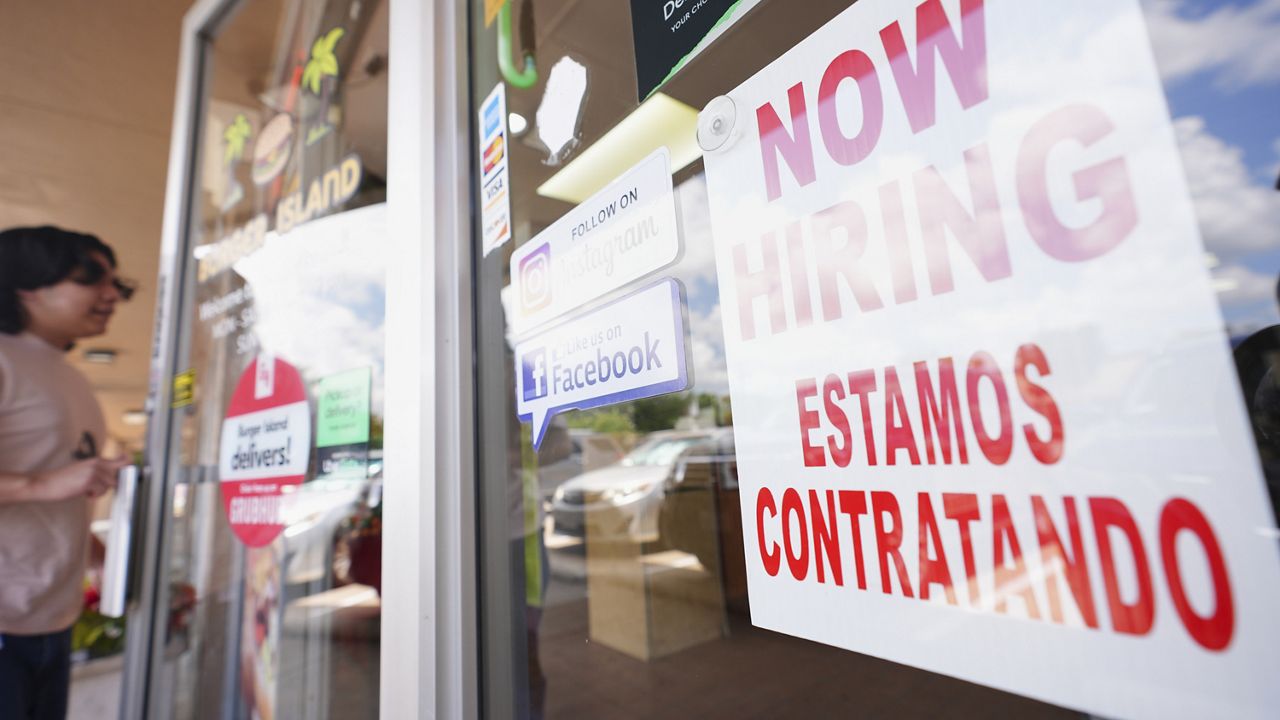
WASHINGTON — Facing high food prices and workforce shortages, Texas restaurants are looking to leaders in Washington for a solution. Texas lawmakers are pushing a bipartisan plan that would provide legal work permits.
What You Need To Know
Some Texas and national restaurant leaders joined business groups in supporting the federal Dignity Act as they deal with high food prices and workforce shortages
The Dignity Act would, in part, grant work authorization for eligible undocumented immigrants living in the U.S., fund border infrastructure and modernize ports of entry, reform the asylum screening process and provide pathways to citizenship for DACA recipients
Congress has failed to pass any kind of comprehensive immigration reform, but the executive director of Good Work Austin believes there is bipartisan support for allowing work permits
While Austin and other Texas cities are consistently named among the best places for food in the country, restaurants reported they are struggling to find people to prepare it.
“About 30% of the industry are immigrant immigrant workers, and even more of those are business owners that are immigrant workers, and so those things are really impacting our local industry, which we know is a huge driver of both our tourism and our economic drivers here in Austin,” Kara Hanaoka, executive director of Good Work Austin, told Spectrum News.
Hanaoka said the challenge is driven in part by the Trump administration’s hardline immigration crackdown.
“There is a fear among restaurants and restaurant workers that wasn’t here before of kind of that uncertainty of not knowing if they’re going to be able to make it home from work,” Hanaoka said.
That has prompted some Texas and national restaurant leaders to join business groups in supporting the federal Dignity Act. One of its sponsors is U.S. Rep. Veronica Escobar, D-El Paso.
“We know if that we can continue to build overwhelming support for this bill. The President will absolutely want to solve this problem with us. This is a bill focused on solutions,” Escobar said.
The Dignity Act would, in part, grant work authorization for eligible undocumented immigrants living in the U.S., fund border infrastructure and modernize ports of entry, reform the asylum screening process and provide pathways to citizenship for recipients of DACA, the Deferred Action for Childhood Arrivals program that protects undocumented immigrants who were brought to the U.S. as children.
The bill does have bipartisan support.
U.S. Rep. Monica De La Cruz, R-Edinburg, has gotten on board.
“Today is the day for common sense solutions that build the bridge and the gap that we see in our labor force, that restore the opportunity for the American dream with dignity,” De La Cruz said.
Congress has failed to pass any kind of comprehensive immigration reform. Right now, lawmakers are in the throes of a showdown over funding the Department of Homeland Security, with Democrats insisting there needs to be reforms to immigration enforcement tactics.
When asked what makes her hopeful this year will be different, Hanaoka said, “Work permits is something that I think we can all agree on, that these people are working. They want to contribute to our tax base. They want to be able to, you know, make a living here in this country, and so it’s really that first step.”
A first step to serve the immediate needs of struggling restaurants and perhaps toward a larger bipartisan conversation about immigration reform.