
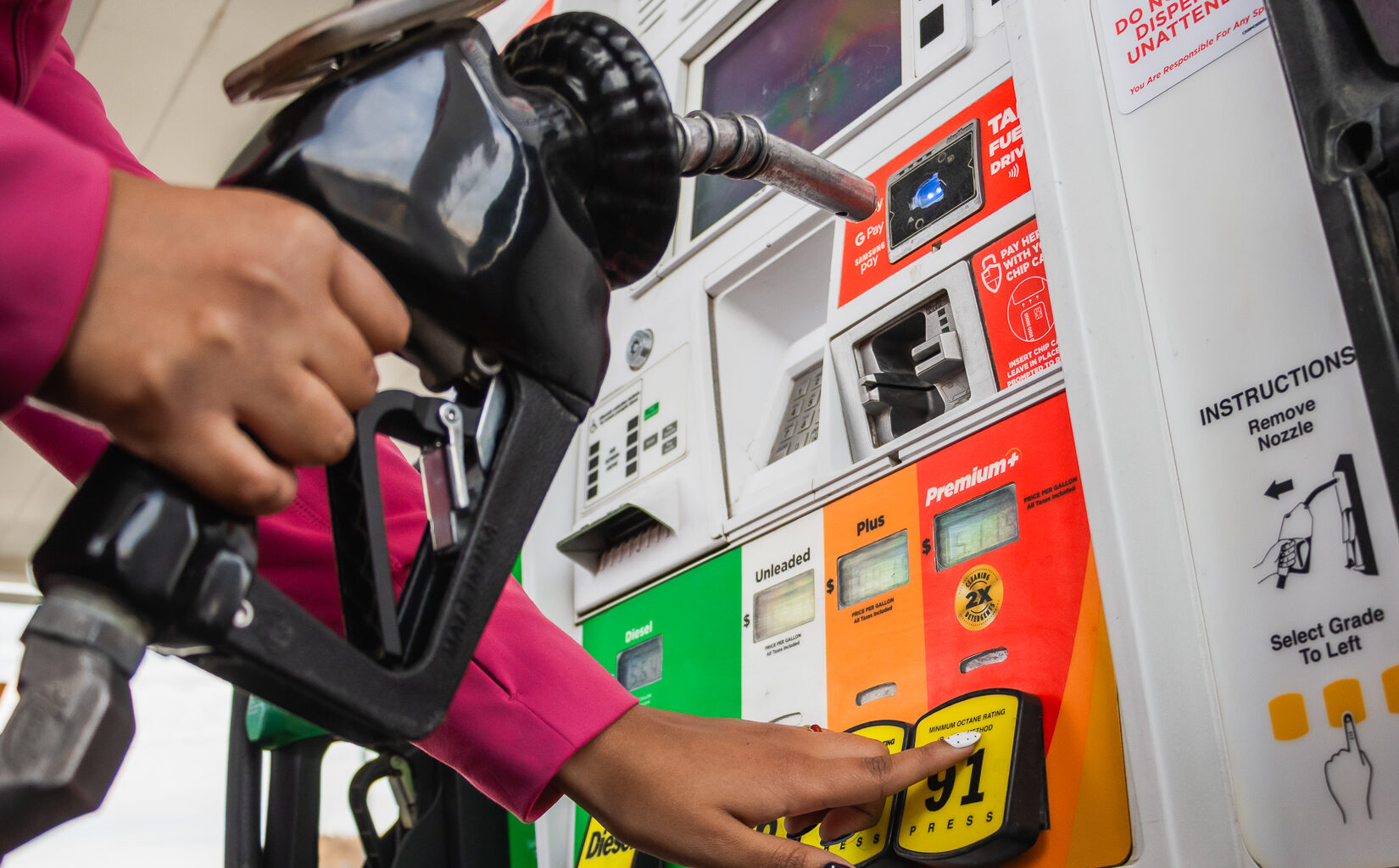
For the thousands of students who commute to the University of Texas at El Paso (UTEP) daily, the walk from the Sun Bowl parking garage is getting increasingly expensive before they even step onto campus.
As of early April 2026, the average price for a gallon of regular unleaded gasoline in El Paso has reached $4.08. According to the American Automobilbe Association of Texas (AAA Texas), this figure is the highest among the 27 largest metropolitan areas in the state. Since the onset of the U.S.-Israeli conflict with Iran on February 28, local prices have skyrocketed from an average of $3.12 per gallon to a 31% increase in just over a month.
The rapid spike is directly tied to the geography of the ongoing war. The Strait of Hormuz, a narrow waterway that handles approximately 20% of the world’s total oil consumption, is currently the center of a global supply disruption.
When conflict threatens this primary transit chokepoint, global crude prices surge instantly. International oil prices have climbed significantly since the war began, and these fluctuations trickle down to local stations in the Borderland faster than in many other Texas regions.
The impact isn‘t limited to passenger vehicles. The cost of diesel has topped $5.39 per gallon in El Paso.
Because almost all food in the region arrives via long-haul trucking, these increased transportation costs are being passed directly to consumers through rising grocery bills as shipping surcharges are added to produce and household staples.
At UTEP, a campus that recently saw a record spring enrollment of nearly 25,000 students, the financial strain is creating a “commuter tax” on education.
Gilberto Sandat, a senior computer science major, described the trend as “crazy high.”
“More is going to gas than it used to, like 20 [dollars] more,” Sandat said.
For freshman engineering major Saul Galvan, the shift has changed his weekly budget.
Galvan recalled that at the beginning of the semester, he would spend between $21 to $23 for a full tank of gas. With the rising costs, his total has gone up to $40.
While he described the situation as “pretty ridiculous,” he expressed a sensible view of how events in the Middle East affect the U.S.
While global geopolitics remain out of local control, AAA Texas suggests several ways for drivers to stretch their fuel.
Reducing highway speeds from 75 mph to 65 mph can improve fuel economy by up to 15% while removing unnecessary weight from a vehicle can further decrease consumption.
Maintaining properly inflated tires can increase efficiency by up to 3% and avoiding long periods of idling prevents unnecessary fuel burn.
Additionally, using digital tools like the AAA Mobile App or GasBuddy can help students find the lowest prices along their specific commute rather than settling for the nearest station.
As the Iran conflict continues, the national average for regular gas has officially exceeded $4.10 per gallon for the first time in years.
For the UTEP community, the road to graduation is becoming more expensive by the mile.
Adrian Gonzalez Jr. is a staff reporter for The Prospector and may be reached at [email protected]
