
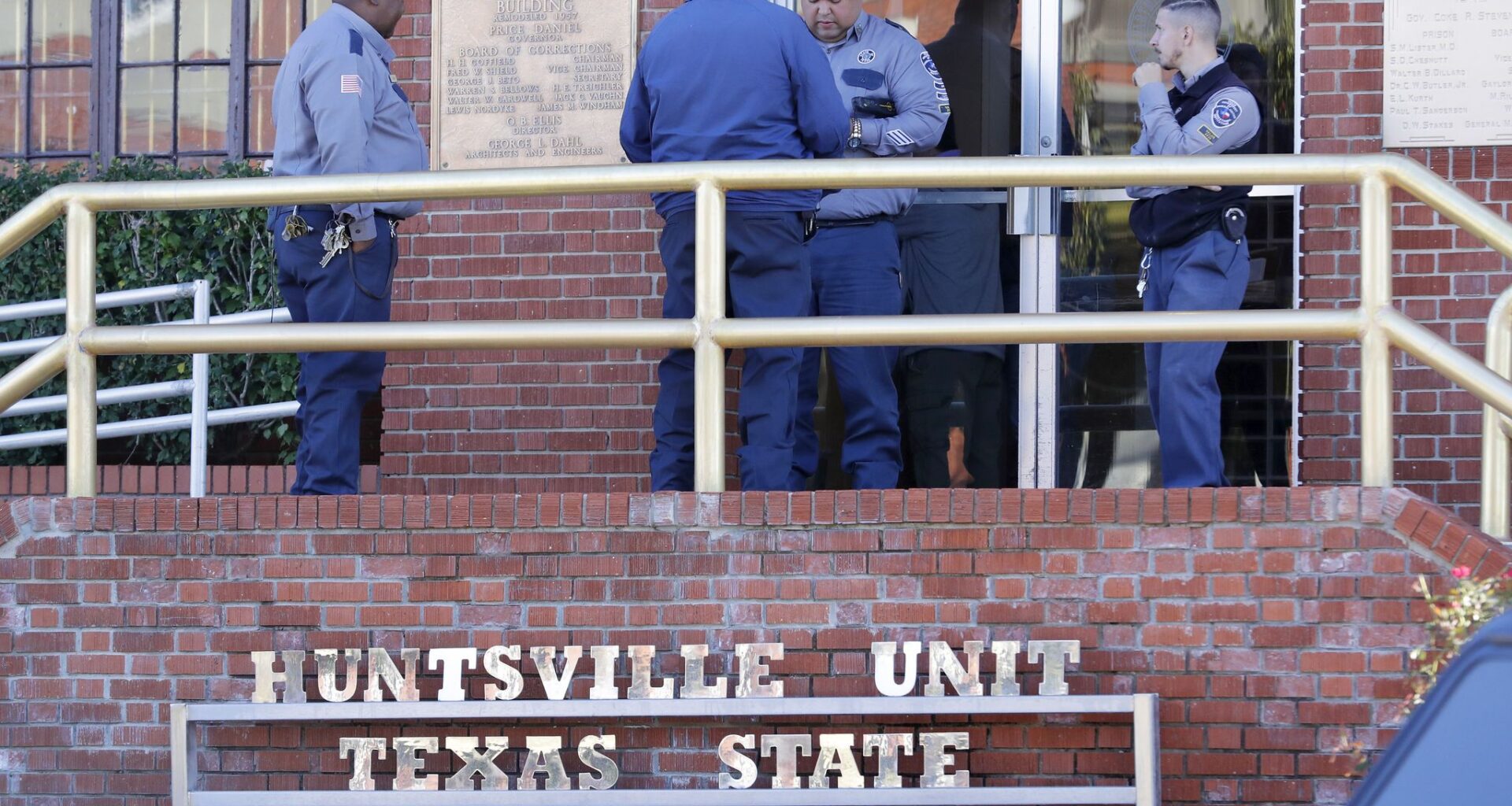
Broadnax, 37, is scheduled to be put to death by lethal injection April 30 in Huntsville. He was condemned by a Dallas County jury in 2009 for the deaths of Stephen Swan, 26, and Matthew Butler, 28, outside their Garland music studio.
Michael Wyke/AP
In a sweeping plea for mercy to the state’s parole board, James Broadnax’s lawyers painted a reformed and remorseful man once overcome by a childhood marred by violence.

The clemency petition obtained Wednesday by The Dallas Morning News asks that the Texas Board of Pardons and Paroles recommend Gov. Greg Abbott commute Broadnax’s death sentence to a lesser penalty. Should the board decline, it also seeks a 180-day reprieve from execution and a hearing to present a series of developments in the case.
Article continues below this ad
“Mr. Broadnax was neither a killer nor a psychopath. He was a confused, 19-year-old young man who got involved in a robbery,” the petition reads. “He is now a mature, 37-year-old man who has transformed himself during his time in prison, becoming a leader and example for those around him on how to live life in prison in a meaningful, productive, and spiritual way.”
Broadnax, 37, is scheduled to be put to death by lethal injection April 30 in Huntsville. He was condemned by a Dallas County jury in 2009 for the deaths of Stephen Swan, 26, and Matthew Butler, 28, outside their Garland music studio.
According to previous reporting from The News, Broadnax and his cousin, Demarius Cummings, set out to rob the two men, but left with only $2 and a 1995 Ford.
Make Dallas News a preferred source so your search results prioritize writing by actual people, not AI.
Add Preferred Source
Broadnax and Cummings were both convicted of capital murder in separate trials. Broadnax, who was tried as the triggerman, was sentenced to death, while Cummings, who was tried as his accomplice, was sentenced to life in prison without the possibility of parole.
Article continues below this ad
But in an effort, Cummings said, to clear his conscience, he signed a declaration last month stating he was the gunman who killed both Swan and Butler — not Broadnax.
Cummings said he persuaded Broadnax to take the blame because he had already been convicted of other crimes, including burglaries, while Broadnax had no record other than a charge for marijuana possession.
It was an agreement, the petition says, built on the misguided hope that Broadnax’s record would spare him the death penalty.
“I want to clear my conscience and do not want James to be executed for shooting two people when I was the one who committed those acts,” Cummings said. “It was my decision to come clean.”
Article continues below this ad
Broadnax, a Black man, has long argued his capital murder trial was unconstitutional and violated the 14th Amendment’s guarantees of equal protection and due process.

By signing up, you agree to our Terms Of Use and acknowledge that your information will be used as described in our Privacy Policy.
Earlier this year, before the United States Supreme Court, Broadnax contested the use of more than 40 pages of rap lyrics as evidence he poses a future danger. He has also filed multiple appeals alleging prosecutors struck Black jurors from serving at his trial.
“Clemency exists both to provide a ‘fail safe’ in our criminal justice system and because justice, rightly understood, is not exhausted by punishment alone,” his lawyers wrote.”
Article continues below this ad
This is a developing story and will be updated.