
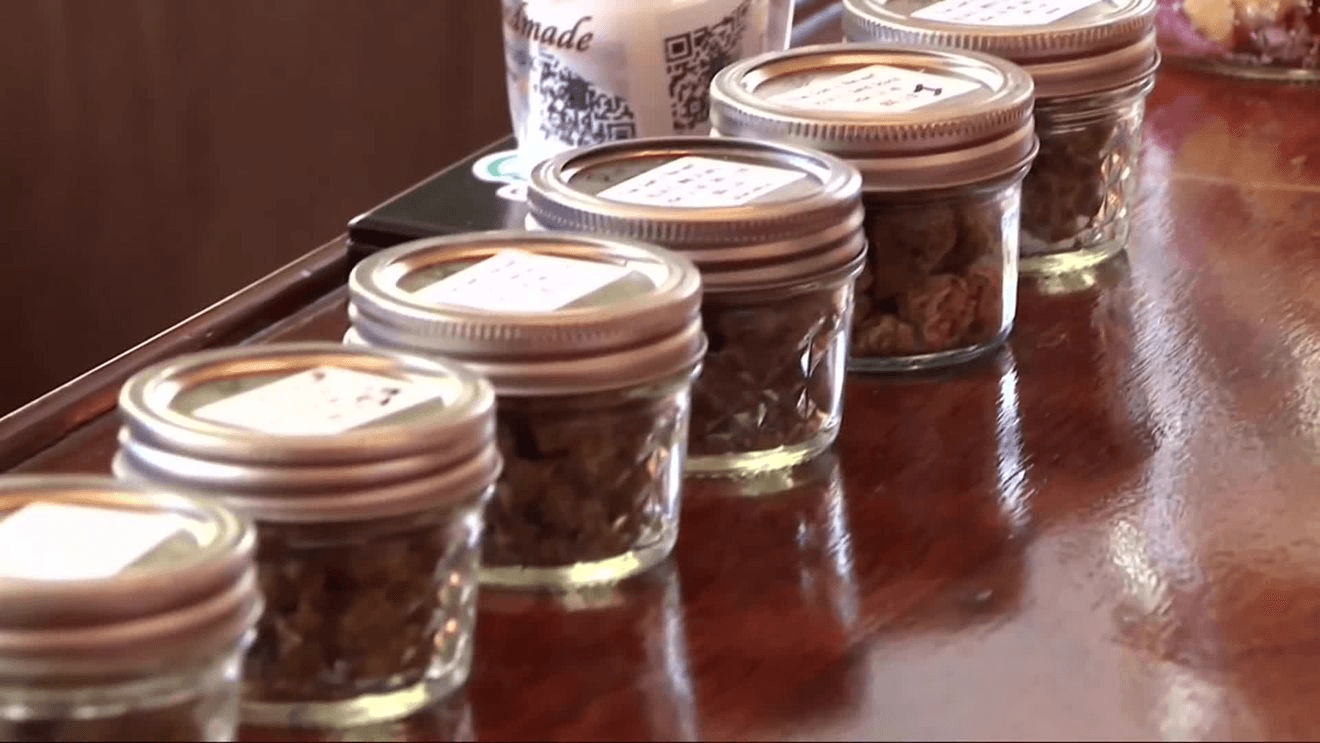
AUSTIN, Texas — Texas hemp businesses across the state say new regulations that took effect March 31 have forced them to pull popular products from shelves and absorb sharply higher licensing fees, leaving some owners worried about whether they can stay open.
Estella Castro, owner of Austinite Cannabis Co., said she feared the new rules could be the end for her business. “It’s been terrible,” Castro said. She said the company has “drastically seen a change in sales, probably about 50 to 60 percent,” adding, “It’s scary for our customer base.”
Under the new Texas hemp rules, shops were required to remove some of their most popular products, and manufacturers faced steep new costs tied to licensing.
On March 20, the Texas Department of State Health Services finalized rules that banned the sale of smokable hemp-derived THC products and raised licensing fees for manufacturers from $258 a year to $10,000. The rules took effect 11 days later. The rules did not ban the use or possession of those products.
ALSO| Texas rules restricting smokeable hemp products take effect, worrying Austin shops
Industry advocates say they are now turning to the courts. The Texas Hemp Business Council and other advocacy groups have filed a lawsuit against the state, arguing the new rules violate state law and asking for a permanent injunction to stop enforcement.
Mark Bordas, Executive Director of the Texas Hemp Business Council, said, “What a state agency is attempting to do is eliminate a legal product, even though the legislature did not do that.” Bordas also warned the financial impact could be swift, saying, “The rule changes are so drastic that few businesses are going to be able to afford to stay in business.”
Bordas said the legal fight is moving quickly because of the stakes for businesses.
“We’re keeping hope alive, but buckle up,” he said. “This is going to be a rather speedy process just by nature of it because of the immediate and irreparable economic harms.”
The Texas Hemp Business Council said it has a temporary restraining order hearing on Friday. If that is granted, the next steps would be a temporary injunction and then the permanent injunction sought in the lawsuit.
“It can’t come fast enough,” Castro said. “We’re just kind of waiting to see what’s going to happen.”
Asked to comment on the lawsuit, DSHS said, “DSHS does not comment on active litigation.”