
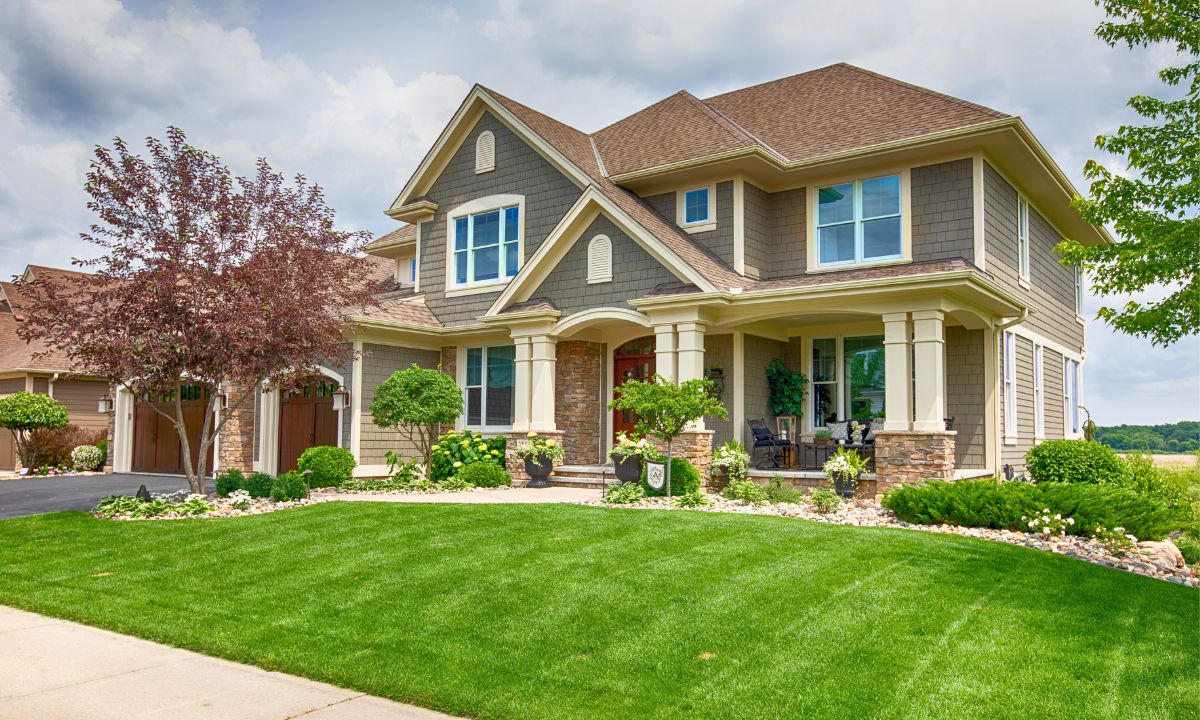
Westoplex Growth Fuels Balanced Shift In Dallas Fort Worth Housing Market | Image by Canva
The Dallas–Fort Worth housing market continued its transition toward more balanced conditions in March 2026.
Elevated inventory levels have given buyers significantly more options and negotiating power, while overall sales activity has remained softer than the peak years of the early 2020s.
The median listing price across the Dallas-Fort Worth-Arlington metro area stood at $420,000 in March 2026, per realtor.com.
County-level median sale prices varied notably in early 2026, with Tarrant County at approximately $345,000 and Rockwall County at $448,000, according to M&D Real Estate’s March 2026 report. Many areas experienced modest year-over-year softening or stabilization following an approximate 5% decline in home values across the region in 2025.
Buyer demand has eased across many segments, with closed sales declining year-over-year in several counties (e.g., Tarrant: -8.4%; Dallas: -9.7%). Active listings remain well above pre-2022 levels, resulting in months of inventory typically ranging from 3.2 to 5.1 months across major counties (Tarrant 3.2, Collin 3.6, Rockwall 5.1), firmly placing most submarkets in balanced territory.
Homes are taking longer to sell on average in many neighborhoods, and sellers are receiving roughly 95% of their original list prices, with a notable share of transactions closing below asking price.
University of Texas at Arlington real estate professor Sriram Villupuram described the current environment as a shift “from a frenzied seller’s market to a more balanced — but slower — one.” He noted that home values fell around 5% in 2025 and that prices are likely to “remain flat or decline slightly through mid-2026” due to high borrowing costs and slower economic growth. Villupuram added that a healthy long-term DFW housing market would feature annual price appreciation of 2-4%.
These changes coincide with continued corporate relocations and major infrastructure investments across the region, which continue to support long-term economic growth.
Westward expansion — often referred to as the “Westoplex” — has gained significant attention, according to HousingWire. Land constraints in the core eastern counties are pushing new development and corporate interest toward western Tarrant County, Parker County, and surrounding areas.
Buyers and sellers are advised to focus on proper pricing, local neighborhood conditions, and current market data, as trends can vary substantially by property type, price point, and specific location. The increased inventory has created more choices for those entering the market this spring.