
Got story updates? Submit your updates here. ›
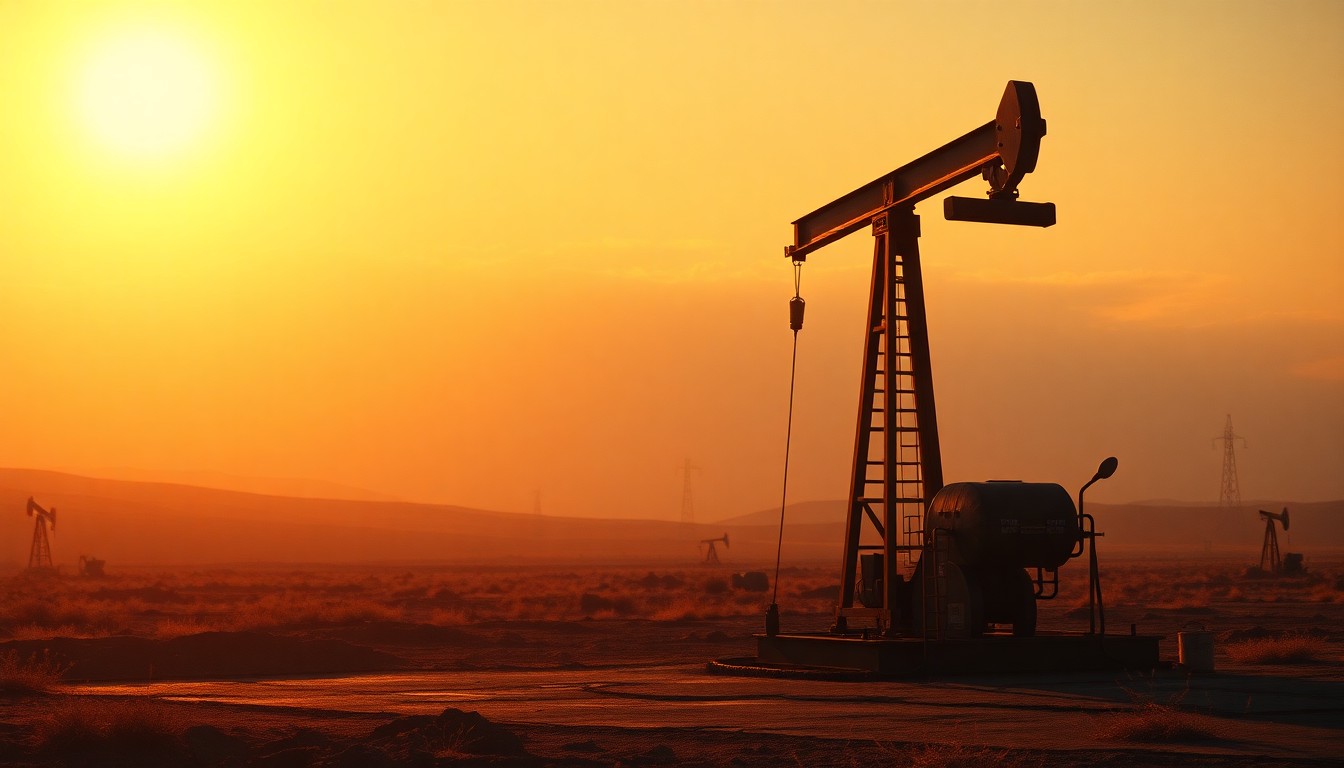 As Texas lawmakers explore annexing eastern New Mexico counties, a solitary oil pump stands as a symbol of the region’s energy resources and the political battles over their control.Lubbock Today
Texas lawmakers are considering expanding the state’s border for the first time since the Compromise of 1850, with the Texas Governmental Oversight Committee exploring the possibility of annexing Lea, Roosevelt and Eddy counties in eastern New Mexico. The proposal was initiated by state representatives in New Mexico, who have expressed frustration with the state government in Santa Fe and believe they would be a better fit with the politics and policies of West Texas.
Why it matters
This potential border expansion would mark the first major change to Texas’ boundaries since the 1800s and could have significant political, economic, and regulatory implications for the affected counties and their residents. The move is driven by ideological and economic factors, but also raises concerns about the impact on local businesses and industries.
The details
The Texas Governmental Oversight Committee is studying a proposal to annex Lea, Roosevelt and Eddy counties in eastern New Mexico. The idea was initiated by state representatives in New Mexico, who believe the counties would be better aligned with the politics and policies of West Texas compared to the state government in Santa Fe. Supporters argue the move would provide more economic opportunities and less regulation, while opponents worry it would lead to the loss of revenue for businesses like dispensaries and casinos that are legal in New Mexico but not in Texas.
The Texas Governmental Oversight Committee is exploring the proposal for the coming legislative session.The plan would require approval in Texas, New Mexico and through Congress, which Tepper said could take years.
The players
Dustin Burrows
Texas House Speaker and Lubbock State Representative who directed his colleagues to study the proposal.
Carl Tepper
Lubbock State Representative who is on the Texas Governmental Oversight Committee studying the plan.
Got photos? Submit your photos here. ›
What they’re saying
“We didn’t initiate this, state representatives from New Mexico initiated bills to remove themselves – not to become their own state – but to become part of West Texas.”
— Carl Tepper, Lubbock State Representative
“They’ve expressed frustration with Santa Fe, frustration with overregulation, they are trying to be oil producers and other businesses in New Mexico and it seems like Santa Fe is in their way every step of the way. I think we’d be a much better fit for those counties.”
— Carl Tepper, Lubbock State Representative
“It seems like the governor here wants to get rid of the oil fields and make it harder on oil field workers whereas Texas is opening it up more.”
— Lea County resident
“I think it’s a bunch of crap. All Texas wants is our oil field money.”
— Lea County resident
“There are a lot of businesses like the dispensaries and stuff, well they’re going to lose all their revenue, you know. I’m not no liberal or nothing, I just don’t see how it’d benefit anybody.”
— Lea County resident
What’s next
The Texas Governmental Oversight Committee will continue studying the proposal, which would need approval in Texas, New Mexico and from Congress before potentially becoming a reality, a process that Tepper said could take years.
The takeaway
This potential border expansion highlights the ongoing political and economic tensions between Texas and New Mexico, as well as the desire of some eastern New Mexico residents to align more closely with the policies and industries of West Texas. However, the plan faces significant hurdles and opposition, particularly around the impact on local businesses and industries.