
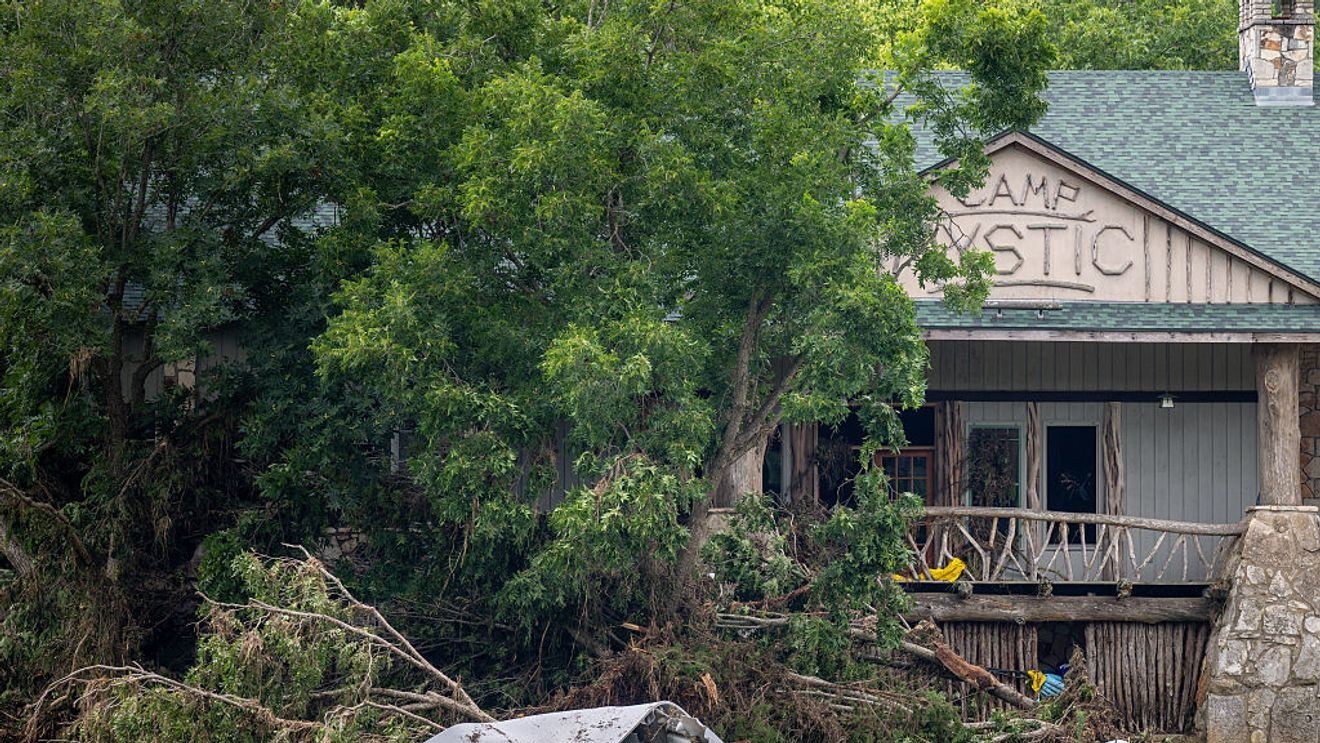
AUSTIN, Texas – A Travis County judge is set to hear a second day of testimony in the Camp Mystic evidentiary hearing Tuesday, as the legal fallout continues from the deadly July 4, 2025 floods along the Guadalupe River that killed 27 campers and counselors.
The civil case, brought by the family of missing camper Cile Steward, is unfolding alongside a Texas Rangers criminal investigation and ongoing state regulatory reviews that could determine whether the camp is allowed to reopen.
RELATED: Camp director says early weather warnings were missed in tense Camp Mystic lawsuit hearing
On Monday, Camp Mystic owner Edward Eastland faced extensive questioning about what the family knew, and didn’t know, in the hours and days leading up to the flooding. Attorneys pressed him on missed weather alerts from the National Weather Service and state emergency officials, as well as whether the camp took any meaningful action as conditions worsened.
Eastland acknowledged the camp did not follow key agencies on social media and did not see several early warnings, saying the first alert he personally received and noticed was a “Code Red” message that arrived around 1 a.m., while he was asleep. He also testified that no major preparations were made during the afternoon or evening of July 3 as storms approached.
A central issue in the case is whether Camp Mystic had adequate warning before floodwaters surged through the property, with attorneys for the Steward family arguing earlier action could have changed the outcome.
The hearing also touched on disputed licensing documents submitted to the Texas Department of State Health Services, with attorneys questioning why camp materials referenced river activities despite a court order restricting use of the flood-damaged Guadalupe River site. Eastland testified the document was uploaded in error.
Camp Mystic remains under a temporary restraining order preventing operations at its riverfront location while it seeks to renew its state license. More than 800 campers are currently registered for summer sessions at the camp’s separate Cypress Lake site.
Eastland also testified that flood-damaged cabins will not be used again for housing campers and may be removed or repurposed only for storage, as attorneys raised concerns about preserving evidence during ongoing investigations.
As the hearing continues, the court is expected to further examine what warnings were received, how camp leadership responded, and whether those decisions could carry legal consequences in one of the most closely watched Texas disaster cases in recent years.