
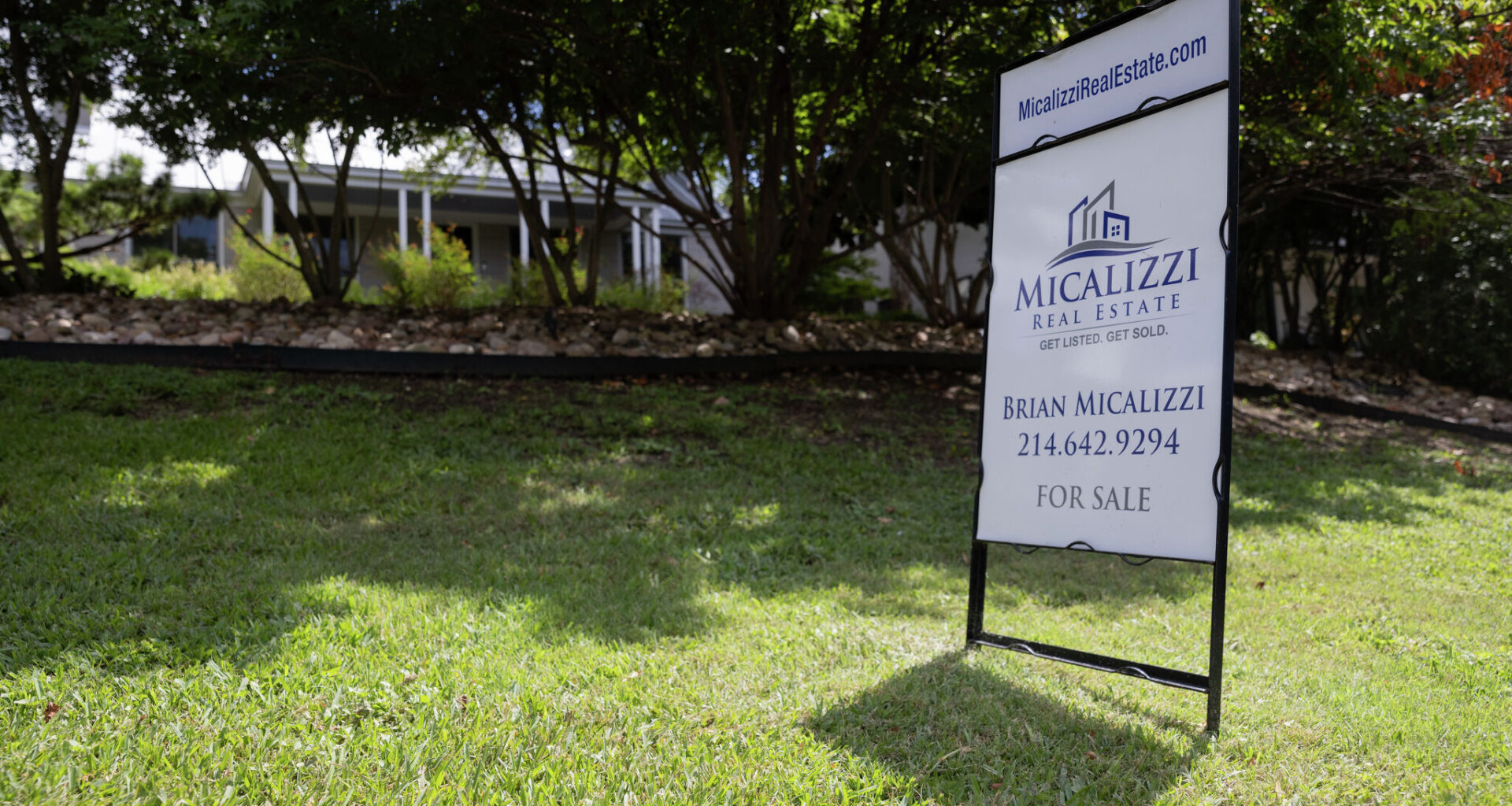
Residential property notices are expected to be mailed out on April 15.
Juan Figueroa/Staff Photographer
Dallas-Fort Worth homeowners, get ready.

You’ll soon receive your annual appraisal notice in the mail, and it could lead to a higher property tax bill.
Article continues below this ad
Do you disagree with your home’s assessed value? Want to drop your property tax bill? If so, you have a right to challenge it through a property tax protest.
A property tax protest is the formal process through which property owners can attempt to lower their assessed property value or challenge actions of your local appraisal district.
In Dallas County, the deadline to file a protest is May 15, or 30 days after your notice is mailed — whichever is later. Residential property notices are expected to be mailed out on April 15, and you can begin filing your protest.
Article continues below this ad
Make Dallas News a preferred source so your search results prioritize writing by actual people, not AI.
Add Preferred Source
There are no drawbacks to filing a protest, and the Dallas Central Appraisal District estimates that roughly 60% of property owners who file a timely protest and provide relevant evidence see some type of adjustment, according to chief appraiser Shane Docherty.
How do I file a protest?
In Dallas County, the appraisal district recommends homeowners file protests using DCAD’s uFile Protest and Settlement System, instead of visiting the district’s office to speak with an appraiser, or mailing in a form.
Article continues below this ad
The appraisal review board, the independent panel that hears property tax protests, will not accept protests filed by fax or email.
If you use the uFile system, you will need to have your evidence ready to upload as soon as you register your intent to protest. You can’t add them to the online portal at a later date.
However, you can still submit additional evidence by email to arbdocs@dcad.org or in person and by mail to DCAD’s offices at 2949 N. Stemmons Freeway.
What can I protest?
You can file a protest for a variety of reasons, according to the Dallas Central Appraisal District. Some of the key reasons include:
Article continues below this ad
The proposed value of your property is too high.
This could be based on incorrect information from appraisal districts such as lot size, building size and other items. Property owners can also provide evidence of defects, such as cracked foundations.
Docherty encourages property owners to reach out to a Realtor who is actively selling properties in their neighborhood to get an opinion on what their property would sell for in its “current” condition.
“This is excellent evidence to be used if DCAD’s proposed valuation is higher than the Realtor’s opinion of value,” he said.
Article continues below this ad
Your property is valued unequally compared with other property in the appraisal district.
The Texas Constitution gives property owners the right to equal and uniform taxation. If your property is taxed at 100% of market value and similar properties are taxed at 90%, you have a right to protest. This type of protest will require more evidence than other types of protests.
The chief appraiser denied you an exemption.
If you’ve met the requirements for an exemption and were denied, you can file a protest and have a hearing before the appraisal review board.
Article continues below this ad
Some exemptions require an annual application.
You can protest for other actions that the appraisal district took that affected your property. For example, you may want to file a protest if the appraisal district lists incorrect information about your property such as the wrong lot size or building square footage.
What happens next?
Once your property tax protest is filed in Dallas County, you’ll have an informal hearing with an appraiser to see if you can settle your case.
Article continues below this ad
Collect your evidence. Focus your arguments on the market value of your property. The appraisal district doesn’t set tax rates or collect taxes.

By signing up, you agree to our Terms Of Use and acknowledge that your information will be used as described in our Privacy Policy.
If no agreement is reached, you’ll proceed to a formal hearing before the county’s appraisal review board.
The appraisal review board is a separate entity from DCAD. The Dallas County review board members are appointed by the district’s board of directors. Two of the publicly elected board members must agree to the appointment. Review board members are residents of Dallas County who are authorized to resolve disputes between property owners and the appraisal district.
Article continues below this ad
There are no penalties for an unsuccessful protest. The value simply remains unchanged.