
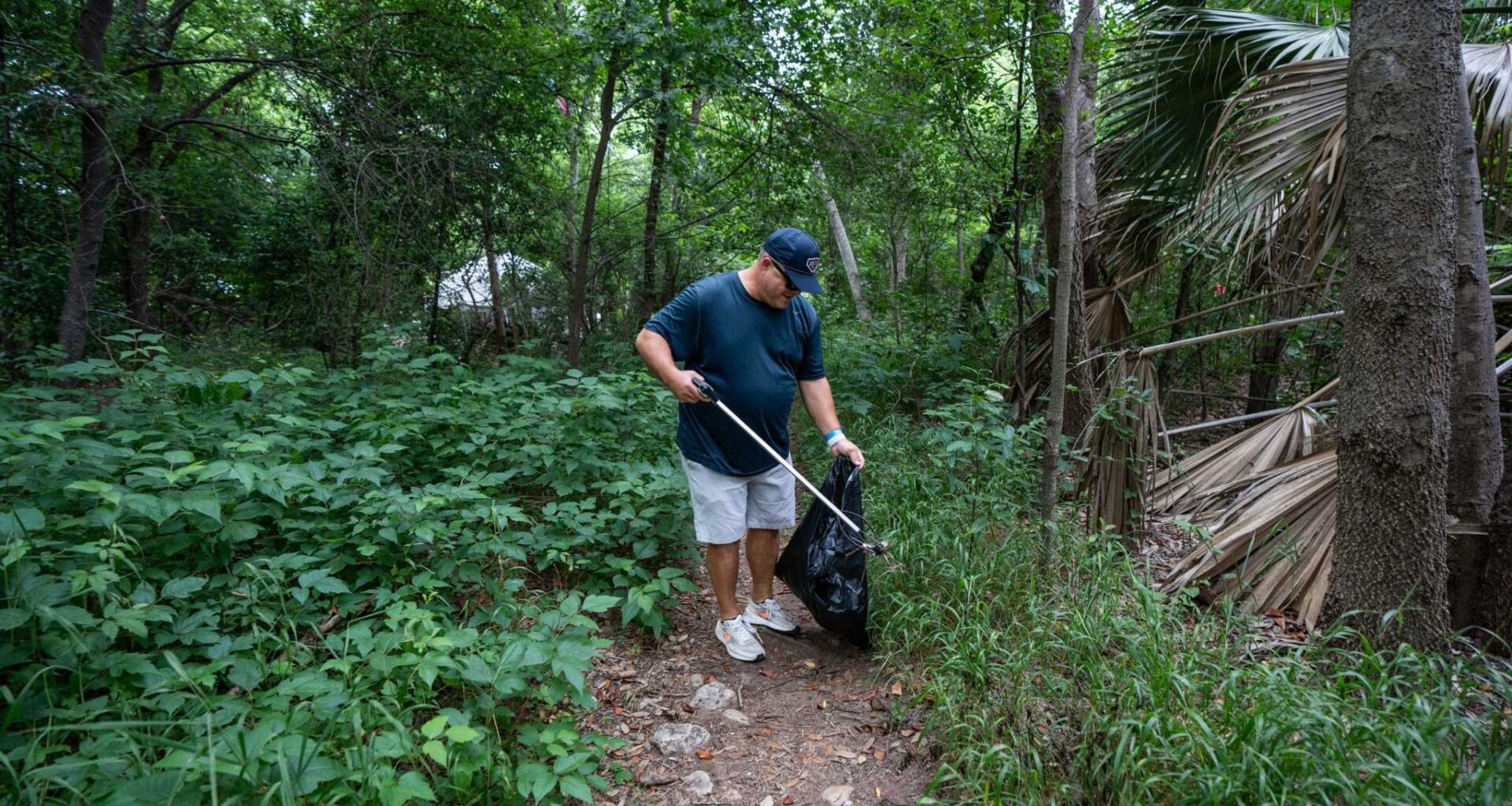
With Earth Day a week away, you may find yourself pondering sustainability — whether on a personal or global scale.
There’s a clear connection between environmental health and economic costs. Clean drinking water, food systems and disaster recovery all carry financial impacts, including through taxpayer funding.
In 2025, the National Oceanic and Atmospheric Administration’s National Centers for Environmental Information recorded 27 weather and climate disasters that each caused at least $1 billion in damage, totaling $182.7 billion. Some of those disasters are beyond human control, but others are intensified by human activity.
Ahead of Earth Day, WalletHub analyzed the eco-friendliness of each U.S. state across 28 key measures.
“It’s important for every American to do their part to support greener living and protect our environment. However, it’s much easier being green in some states than others,” WalletHub analyst Chip Lupo says. “For example, if a state doesn’t have a great infrastructure for alternative-fuel vehicles, it becomes much harder for residents to adopt that technology. Living in a green state is also very beneficial for the health of you and your family, as you benefit from better air, soil and water quality.”
How green is Texas, and how does it compare to other states? The state still ranks among the worst, despite slight improvement.
Earth Day is observed annually on April 22, which falls on a Wednesday in 2026. It marks the anniversary of the modern environmental movement, which began in 1970, according to EarthDay.org.
The Lone Star State improved slightly in its score and rankings from last year — but not by much. It ranked lowest nationally for environmental quality in 2025. This year, it ranked above Nevada and Louisiana in the subcategory.
WalletHub also noted an environmental trend based states’ political identity. The average ranking among blue (Democrat) states was nearly three times higher than that of red (Republican) states.