
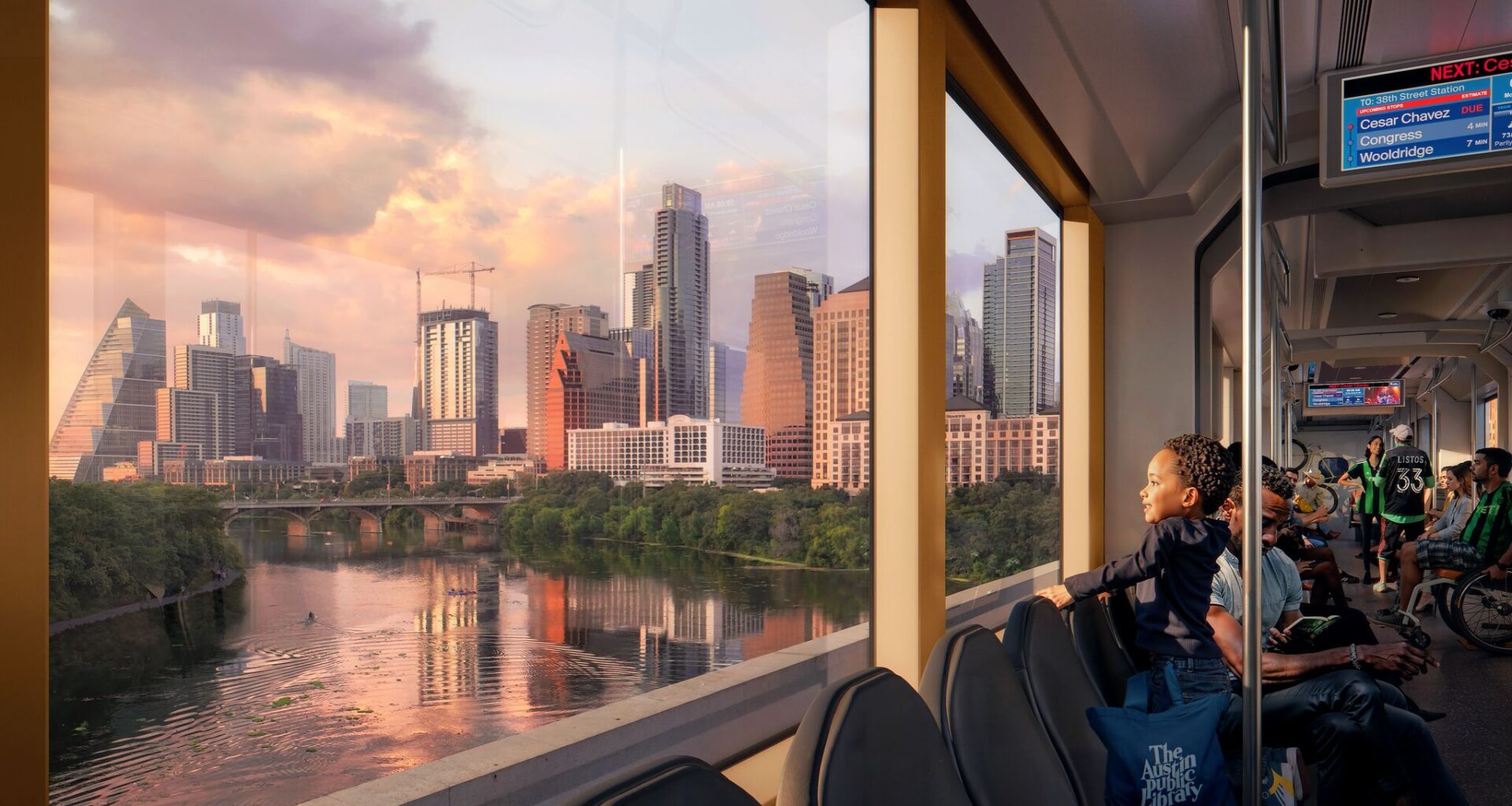
The Austin Transit Partnership (ATP) is the entity that oversees the development and construction of Austin’s light rail system, which is expected to kickstart construction on Phase 1’s nearly 10-mile, 15-station system next year. Attached to its board agenda for Wednesday, April 15, were two items proposing a new office lease downtown for $32 million, as well as build-out costs of the space, to the tune of $15 million. Currently, ATP is headquartered downtown at 203 Colorado St., Austin, TX 78701.
In an emailed statement to MySA, ATP confirmed the postponement and said the board is working to get more clarity on the proposal before bringing back a recommendation later on.
“ATP has been located downtown near the alignment since day one, and at 200 people, has outgrown its current space,” ATP said in part. “With plans to expand to around 300 people by the end of the year, ATP requires an additional 15,000 square feet of office space.”
However, in an Austin City Council message board post on Monday, April 13, Austin Mayor Kirk Watson shared his opposition to the items and that he’d been in contact with ATP regarding the proposals, referring to the request as “inappropriate” given substantial financial constraints in the region. He also added that ATP Board Chair Veronica Castro de Barrera had agreed to postpone the items, with those now to be considered for a vote at a later date.
Watson added he’s had conversations with ATP leadership proposing that its staff co-locate at the CapMetro headquarters in East Austin. CapMetro, Austin’s transit authority, is poised to operate and run the light rail system once work is completed on the project.
“Co-locating two public entity partners, even if only partly, makes sense because it should be more cost-effective than leasing 2.5 floors in the downtown area for 10 years,” Watson wrote. “Plus, co-location would enhance partner relationships. [ATP Executive Director Greg Canally] pushed back by arguing primarily that ATP would need more space than he thought was available at Cap Metro and that he felt it was important for ATP to be downtown.”
Watson further added his concern with the proposal, which extended from “serious budget challenges” impacting Texas’ capital city, including Austin ISD school closures and ongoing deficits, challenges to a Travis County tax increase and Austin voters’ rejection of the tax rate election from November 2025. He stressed this could be both a cost-saving measure and a continued source of collaboration for the two entities as ATP inches closer to its projected 2027 light rail construction start date.
“This is an opportunity for ATP to demonstrate that it is building on the partnership we have with CapMetro, saving the taxpayers money, and watching their financial backs as we build a light rail system they have told us they want.”