
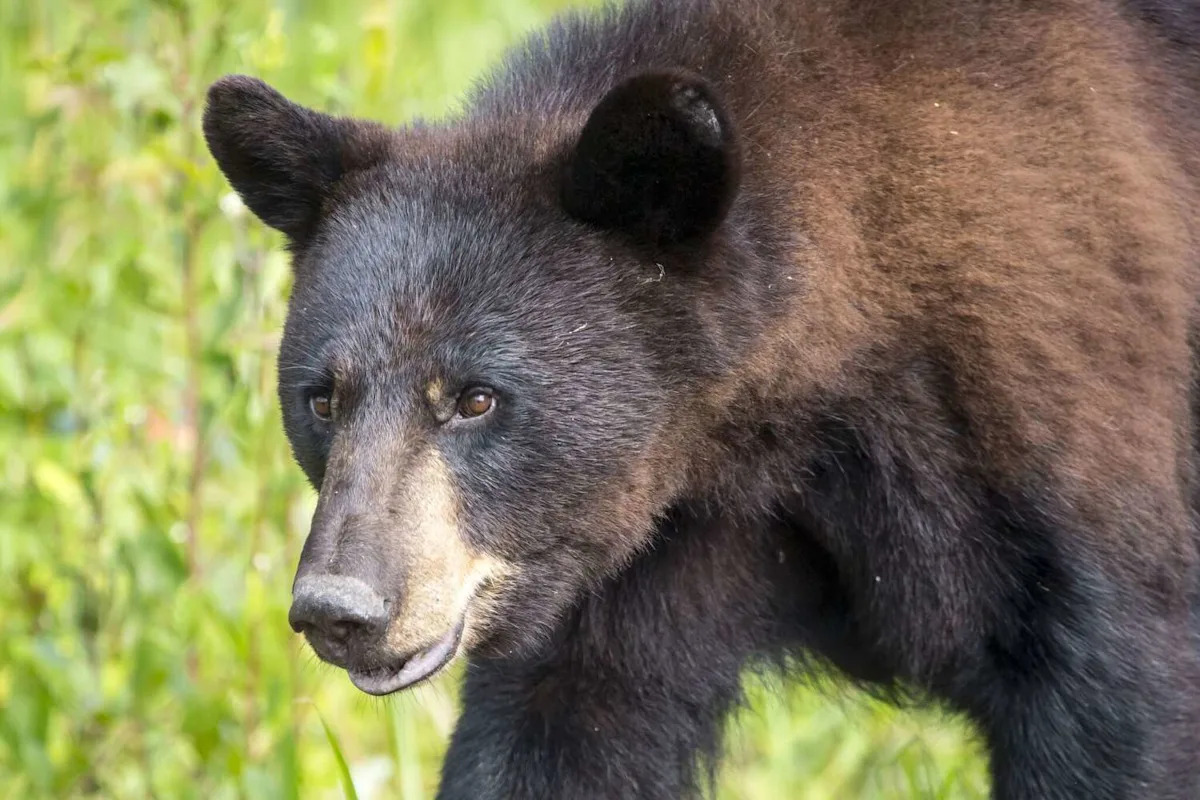
Black bears aren’t just passing through Texas anymore. At least one may have decided to stay.
A young male black bear that drew attention last year along the Neches River has resurfaced after the winter, and wildlife officials now believe he may have done something not documented in decades: remain in East Texas through the cold months.
The bear, first spotted in Anderson County in 2025, has been tracked by the Texas Parks and Wildlife Department since July. In recent weeks, he’s been caught again on game cameras near Rusk and reported around deer feeders, signaling he never left the region.
“Thanks to verified reports from the public, we believe this bear successfully overwintered along the Neches River corridor. If so, this would be the first documented black bear to overwinter in over 50 years,” TPWD announced Thursday.
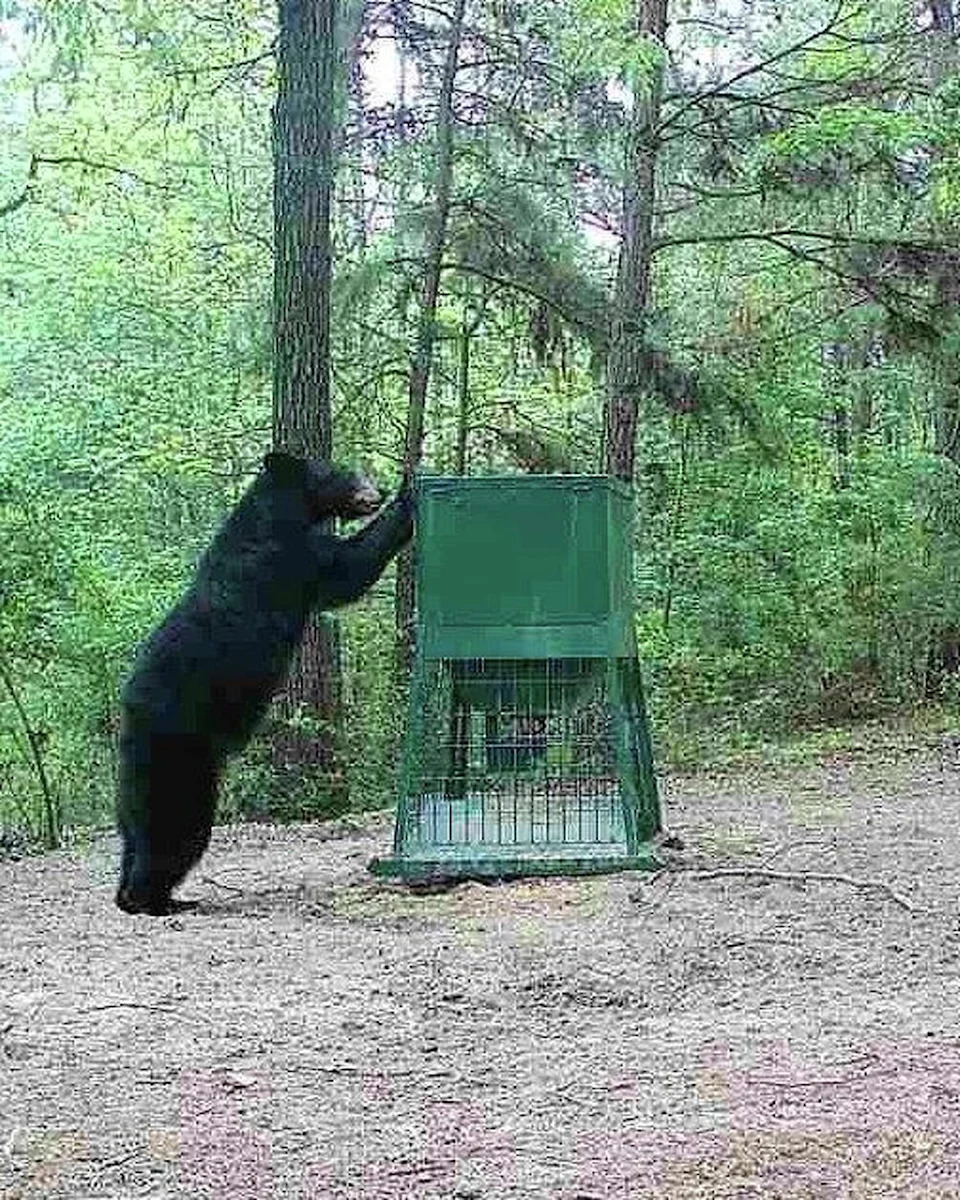
Wildlife officials have tracked this black bear’s activity across parts of East Texas since 2025. (Texas Parks and Wildlife Department)
That corridor-stretching roughly from Highway 79 down to Highway 294-has become the bear’s home base, at least for now. Sightings have clustered across Anderson and Cherokee counties, with the possibility that he could wander into the northeastern parts of Houston County as the year goes on.
For decades, black bears were largely absent from Texas, having been nearly wiped out by the mid-1900s. In recent years, however, sightings have ticked up across the state, especially in West Texas, where a small but growing population has taken hold. Occasional appearances in East and South Texas have typically been brief, with bears moving on after passing through. This one didn’t.
TPWD officials say the bear still appears wary of people, a good sign for both humans and the animal’s long-term survival.
“This young black bear is growing fast and could hit full maturity by mid-summer,” the agency said. “Based on its travels, it may be headed toward bear country in Louisiana, Arkansas or Oklahoma to find a mate.”
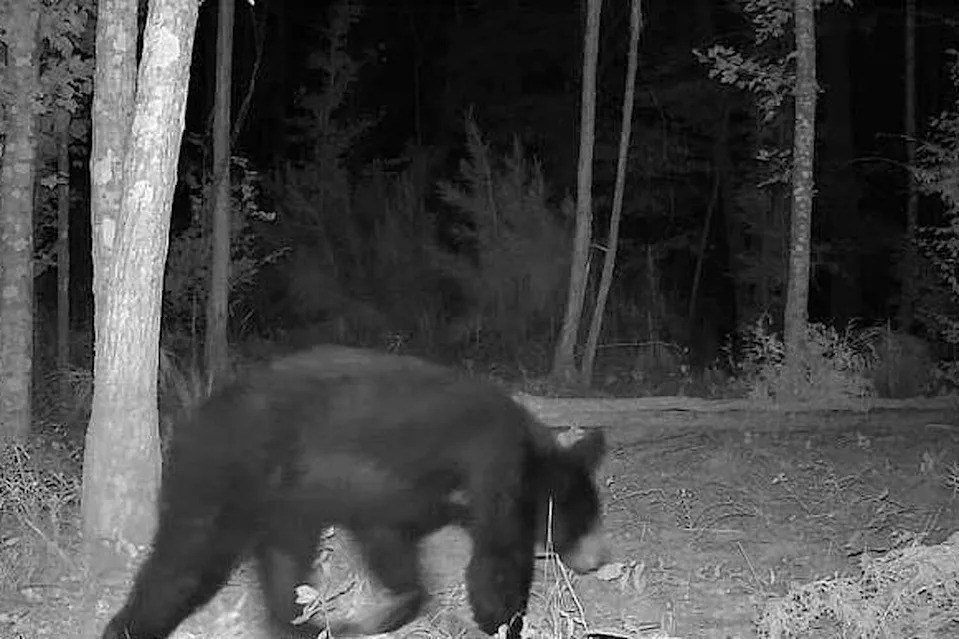
This black bear has been documented in multiple East Texas counties in recent months. (Texas Parks and Wildlife Department)
Or he could stick around longer.
Wildlife officials are asking residents in Anderson, Cherokee and nearby counties to report sightings to local biologists or game wardens. Killing, harassing or harming a black bear is illegal under both federal and state law, with penalties that can reach $12,000 and possible jail time.
Signs of a broader comeback are already taking shape elsewhere in Texas. At the Independence Creek Preserve, researchers recently confirmed the birth of two cubs-including one named Pancakes Jr.-to a collared female known as Pancakes. The same bear has now raised at least six cubs in the area, evidence that breeding populations are taking hold in parts of the state.
More Parks & Wildlife
Lovebugs | This annoying insect is swarming Houston right now
Romance | Texas alligator Boots didn’t just relocate. He found love
Changes | Big Bend’s most anticipated upgrade just unraveled
Endangered | Black bears are coming back in Texas. These cubs are proof.
For the latest and best from Chron, sign up for our daily newsletter here.
This article originally published at One Texas bear may be changing the comeback story.