
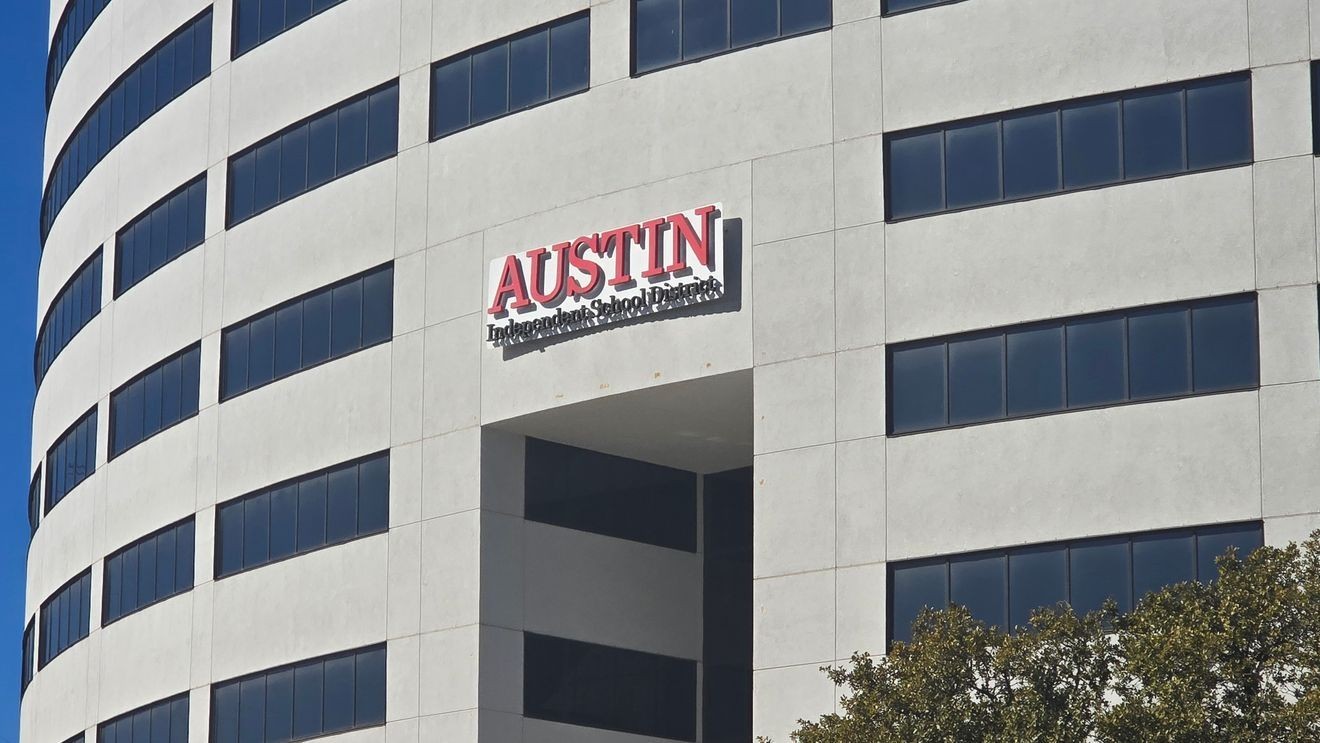
AUSTIN, Texas — Austin ISD leadership says the district is confronting a projected $181 million budget deficit for the upcoming school year, driven by declining property values, falling enrollment and rising costs.
In a video update shared Friday, Superintendent Matias Segura said the district initially took a “fiscally conservative approach” when adopting its 2025-2026 budget, anticipating lower property values and enrollment trends consistent with prior years. However, final numbers came in worse than expected.
“Austin property values declined even more than expected and enrollment also dropped by more than 3,000 students,” Segura said.
Those changes, combined with increasing costs and delayed real estate revenue, have significantly widened the district’s financial gap. Officials now project AISD will end the current school year with a $49 million deficit, about $30 million more than originally anticipated, despite implementing $54 million in cost-saving measures.
Looking ahead, the financial outlook is even more challenging.
Austin ISD Chief Financial Officer Katrina Montgomery said the district’s original budget already included a $19.7 million deficit and relied on roughly $45 million in anticipated revenue from the sale of properties, including the old Rosedale and Brooke sites in central and east Austin, respectively. The Rosedale sale has been delayed and will not be completed this fiscal year, further straining finances.
“This is not a problem that’s unique to Austin ISD,” Montgomery said. “Districts across the state are feeling the strain of increasing costs and lack of funding from the state.”
ALSO | Austin commission split on broader APD-ICE transparency as Abbott threatens $2.5M cut
Montgomery added that the district’s funding from the state is also directly impacted by enrollment declines.
To close the growing gap, district leaders say significant cuts and changes are now on the table. Proposed measures include adjustments to campus staffing levels, changes to teacher planning time, reductions in administrative and support staff ratios, and cuts to employee stipends. Officials are also considering a 15 percent reduction to non-staffing budgets and potential cuts to programs.
At the same time, the district is exploring new revenue sources, such as facility naming rights and expanded partnerships with philanthropic and corporate organizations.
AISD has already taken steps in recent years to reduce spending. These include restructuring the central office, implementing an external hiring freeze, and tightening spending controls across departments. In November 2025, the school board also voted to close 10 campuses, a move expected to save about $21 million. However, most of those savings, approximately $17 million, will be reinvested into required school improvement efforts.
Despite the cuts, district leaders emphasized their commitment to maintaining key programs and supporting students.
“Our task now is to align our available resources with our mission to prepare every student to thrive,” Montgomery said.
Segura acknowledged that the decisions ahead will be difficult and deeply felt across the community.
“These are not easy conversations,” he said. “They affect the people and programs that make Austin ISD special.”
District officials say community input will play a key role in shaping the final budget. AISD plans to hold multiple opportunities in the coming weeks for families, staff, and community members to ask questions and provide feedback before the budget is finalized in June 2026.