
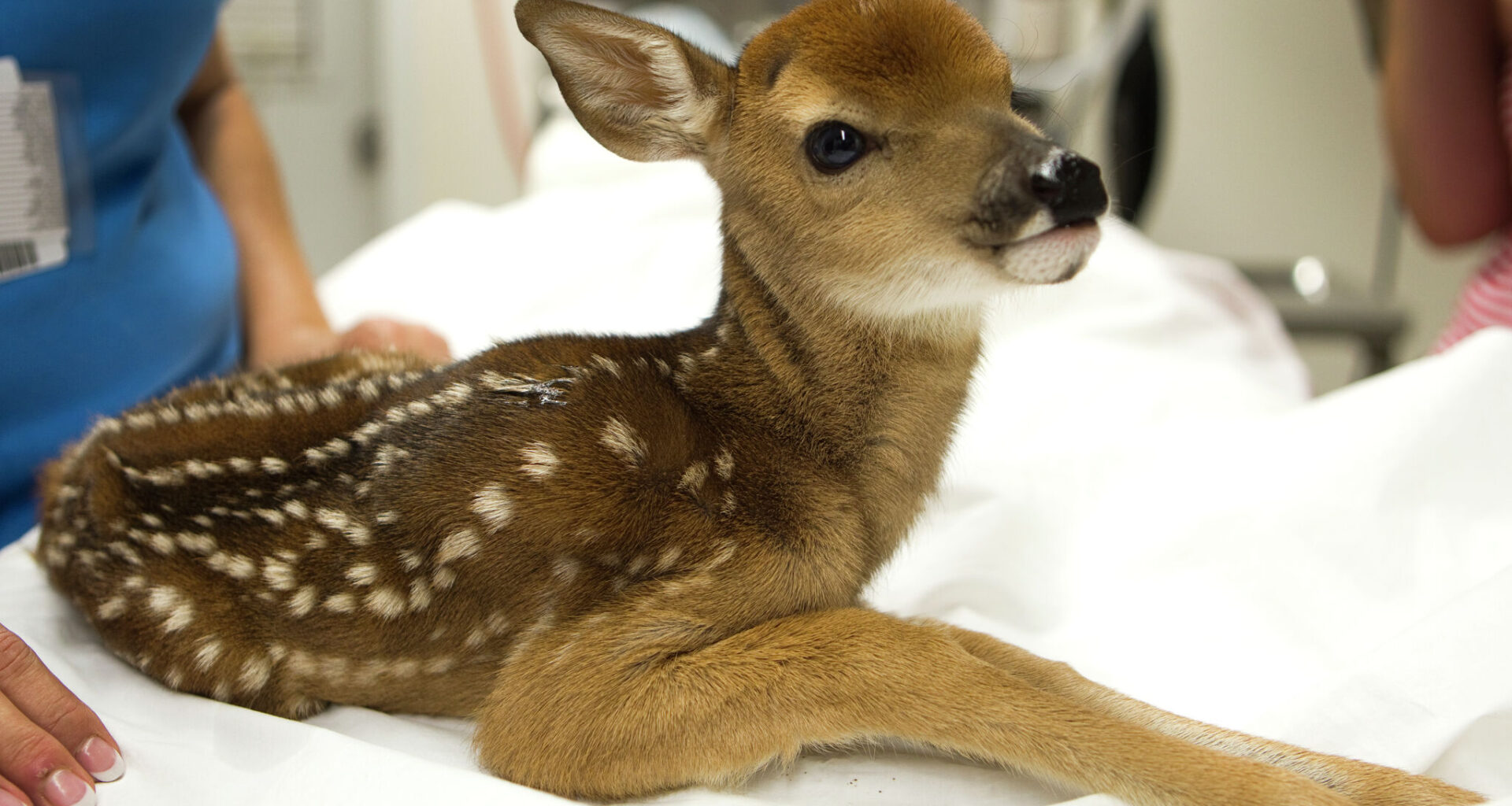
Texas Parks and Wildlife officials are considering new wildlife rehabilitation rules that have sparked backlash from rescuers across the state.
Houston Chronicle/Hearst Newspap/Houston Chronicle via Getty Imag
A growing backlash is building over proposed Texas wildlife rehabilitation rules that critics say could make it harder for injured and orphaned animals to get help.

Texas Parks and Wildlife officials are considering sweeping changes to the state’s wildlife rehabilitation system, including tougher experience requirements, new limits on how many volunteers a permit holder can oversee and tighter rules for satellite care facilities. Supporters of the proposal say the changes are needed to modernize oversight, improve training and prevent permit abuse.
Article continues below this ad
But in just a few days, a Houston-based petition opposing parts of the plan drew more than 2,300 signatures.
The debate has exposed a broader tension inside a largely volunteer-run system over how to tighten standards without shrinking the network many Texans rely on when they find wildlife in distress.
What Texas Parks and Wildlife is proposing
During a March meeting of the Texas Parks and Wildlife Commission, staff asked for permission to publish the proposed rule changes in the Texas Register for public comment.
Article continues below this ad
Richard Heilbrun, director of the agency’s Wildlife Division, said rehabilitators provide an important public service, but the field has become “highly technical.”
He said current regulations do not do enough to build experienced new rehabilitators. Under existing rules, applicants are not required to have hands-on experience, veterinary consultation is not mandatory and new permittees can immediately supervise unlimited subpermittees and satellite facilities.
“We have several broad-scale challenges within the permit program,” Heilbrun told commissioners.
Article continues below this ad
Among the biggest proposed changes:
A new four-tier permit system that limits who can supervise volunteers, subpermittees and satellite facilities
A requirement that new applicants complete 800 hours of documented rehabilitation experience over two years
Expanded testing and annual training requirements
Mandatory veterinary consultation letters for applicants and renewals
New disease reporting rules and emergency authority during wildlife health outbreaks
Restrictions on registering rehab facilities in apartments, duplexes and townhomes
A 365-day cap on keeping animals unless specifically approved
Concerns about making it too hard
Commission Chairman Paul Foster questioned whether the proposal could discourage volunteers.
Article continues below this ad
“The more difficult we make it, the less likely people may be to step up and provide these services,” Foster said.
Heilbrun acknowledged the agency has heard some concern, but said some advisers had recommended even stricter measures. He said the agency wants to create more of a mentorship pipeline by making it easier for people to start as subpermittees, where they can learn the demands of wildlife rehabilitation under experienced permit holders before eventually qualifying for permits of their own.
He also said the permit system is sometimes misunderstood by people hoping to keep wild animals as pets or use them for social media content.
Texas Parks and Wildlife is weighing proposed wildlife rehabilitation rule changes as opponents warn they could limit care for injured and orphaned animals.
Houston Chronicle/Hearst Newspap/Houston Chronicle via Getty Imag
“This permit exists to release native wildlife back into the wild, and it is not a pet permit,” Heilbrun said.
Article continues below this ad
According to TPWD, Texas has about 400 primary permittees and roughly 1,700 subpermittees, putting about 2,100 people in the system, not counting day-to-day volunteers.
Petition gains momentum
Opponents argue the proposed caps on subpermittees and satellite facilities could cripple the volunteer networks that make wildlife rehab possible across such a large state.
The Change.org petition, launched by a person identified only as Albert, says the rules are being framed as administrative changes but would in practice “severely limit” timely care for animals in need.
Article continues below this ad
The petition argues satellite facilities are essential because they extend the reach of rehabilitators and help respond quickly during wildlife emergencies.
“If these restrictions come into effect, many facilities will struggle to maintain operations,” the petition states.
Supporters signing the petition shared personal experiences.
One signer said wildlife rescues were crucial when they worked in animal control and needed safe places to bring baby wild animals. Another said a rehabilitation network helped after an injured heron that had nested for years in their yard needed assistance.
Article continues below this ad
What happens next
The proposed rules are expected to move through the public comment process before any final vote. TPWD staff told commissioners implementation would happen no sooner than December 2027.