
What this ruling means for Texas classrooms
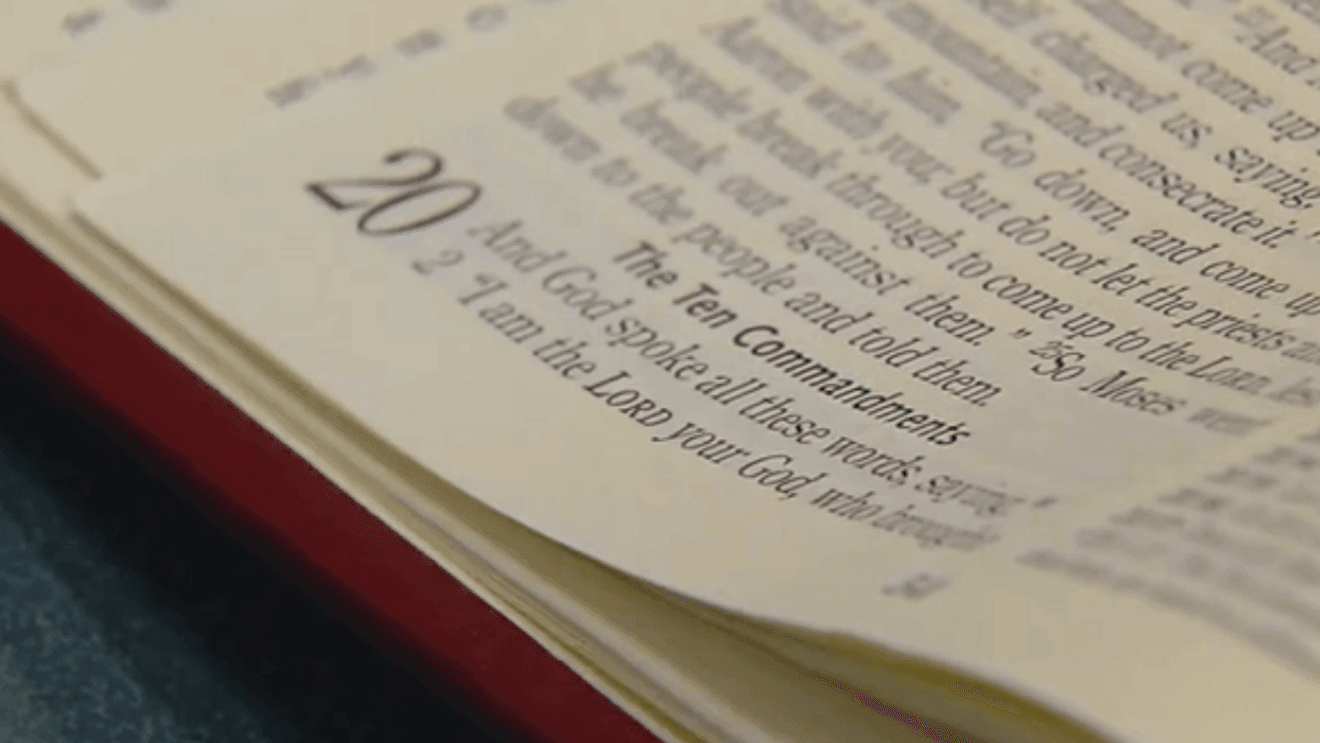
A federal appeals court has upheld a Texas law requiring the Ten Commandments to be displayed in public school classrooms.
The U.S. Court of Appeals for the Fifth Circuit ruled Tuesday in favor of Senate Bill 10, upholding the requirement in at least one case.
The decision stems from Rabbi Nathan v. Alamo Heights ISD, a lawsuit filed by Texas families with children in public schools who argued the 2025 law improperly promotes religion.
A U.S. district judge had previously blocked the law from taking effect in districts named in the lawsuit, including Austin ISD, Lake Travis ISD, and Dripping Springs ISD.
With that injunction no longer in place, legal experts say schools could move quickly to comply.
“Once that injunction went away, the state law then goes into effect, and I think school districts are gonna choose to comply with the law as is,” said Lance Kennedy, founding attorney at Lance Kennedy Law.
State leaders praised the ruling.
Ken Paxton called it a “major victory,” adding, “The Ten Commandments have had a profound impact on our nation, and it’s important that students learn from them every single day.”
ALSO| Dem nominee for governor Gina Hinojosa weighs in on school budget crises and immigration
KEYE
Why is this being challenged
The legal challenge centers on whether the law violates the First Amendment.
Families who sued say the rule pushes religion.
Organizations representing them said, “The First Amendment safeguards the separation of church and state, and the freedom of families to choose how, when and if to provide their children with religious instruction.”
Supporters of the law argue it reflects historical influence rather than religious promotion.
State Sen. Phil King, who authored the bill, said the ruling confirms the Constitution does not require the state to “erase our history,” noting the Ten Commandments’ role in shaping American law.
Legal experts say courts are weighing how to interpret the Constitution in cases like this.
“One of the things they’re looking at in particular is whether or not the establishment of religion in particular is what is occurring,” Kennedy said.
What could happen next?
The case is one of several challenges to the law still pending in courts across Texas.
Kennedy said outcomes in those cases could depend on how closely they mirror the facts of this ruling.
“I could see those cases potentially being dismissed,” he said. “However, if they have a different set of facts, a different law or legal issue that’s at play, you could see it make its way again to the 5th Circuit.”
Attorneys representing the families say they plan to ask the U.S. Supreme Court to reverse the decision.
In the meantime, Kennedy said classrooms could soon see changes.
“We’ll see the 10 Commandments back in your classroom, and then this will either make its way again to the Supreme Court, or it’s gonna just be a dead end.”