
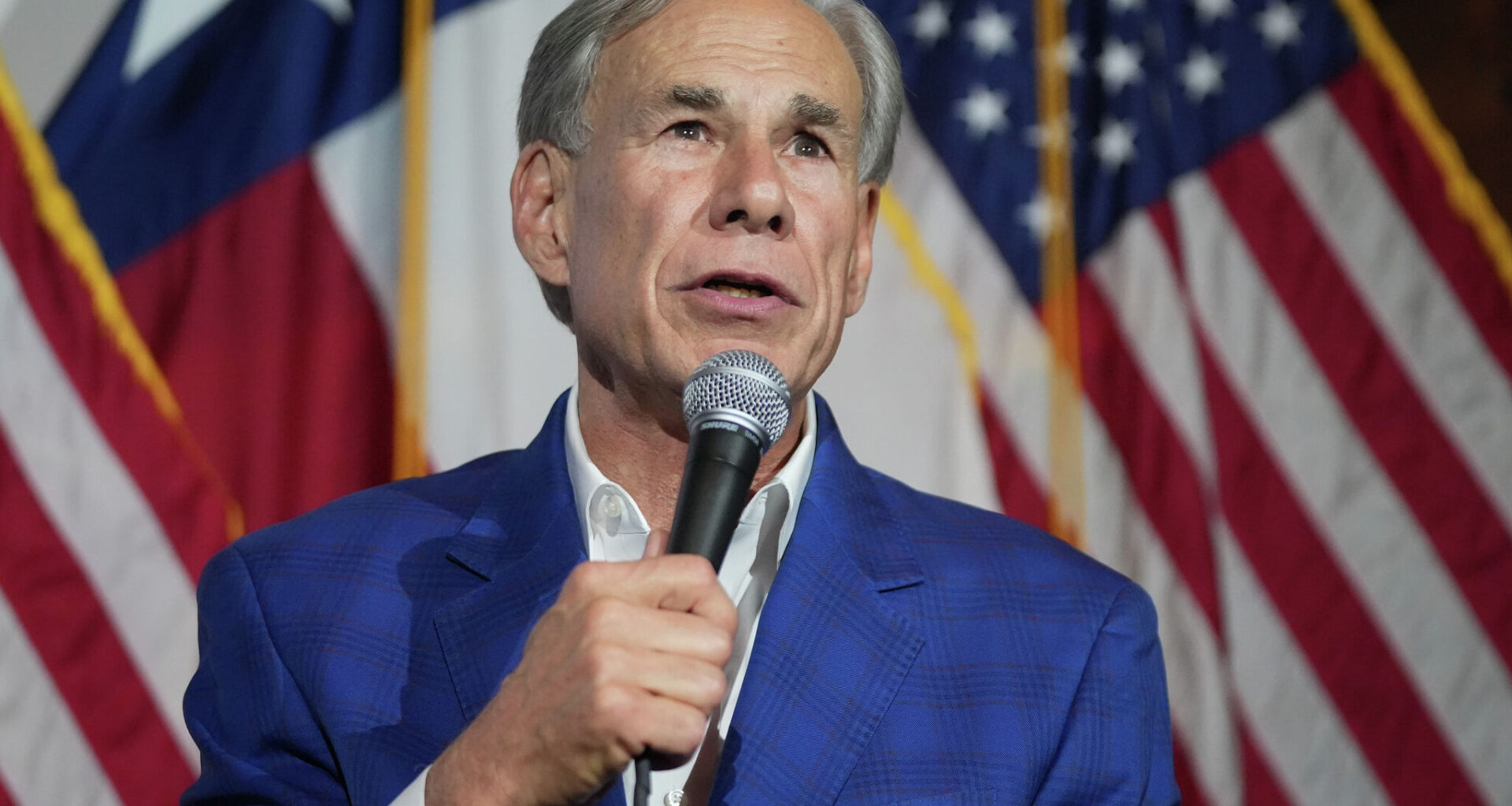
Gov. Greg Abbott is invoking the arrest of an immigrant charged with murder to pressure Houston City Council to reverse a new policy on how local police cooperate with federal immigration agents.
But the governor didn’t explain how the city’s policy could have prevented the crime, and he omitted a key detail: The new policy still allows the Houston Police Department to contact ICE agents.
READ MORE: What to know about Houston’s policy change with ICE
In a post on social media, Abbott said the city council has a choice to “vote for their citizens, or the criminals who kill them” and shared a post from a FOX News reporter about a Venezuelan man who entered the country illegally during former President Joe Biden’s administration in 2023.
Article continues below this ad
The murder suspect, 19-year-old Josue Chirino, was arrested in the Pasadena area on April 12 and booked into the Harris County Jail on a murder charge. Authorities allege he killed his coworker with a sledgehammer.
The city council voted earlier this month to eliminate a requirement that local officers wait 30 minutes for immigration agents to detain people on non-criminal ICE administrative warrants. The policy passed 12-5 and was put in place after months of public outcry from critics who said HPD officers were acting as de facto immigration agents.
The new policy doesn’t prohibit officers from contacting ICE. But Abbott and other state officials accused the city of shirking its duty.
“Refusing to collaborate with federal immigration officials is deadly,” Abbott said in his social media post this week.
Article continues below this ad
The governor didn’t say how Houston’s policy change would have prevented Houston police from contacting ICE, or if officers had even crossed paths with Chirino before the attack.
The city’s ICE policy could be amended or repealed after Abbott threatened to pull tens of millions of dollars in public safety grants for the city. Texas Attorney General Ken Paxton has also sued the city of Houston over the policy change.
When asked how the policy could have prevented the attack, a spokesperson for Abbott’s office repeated a portion of what the governor posted on social media and added that “Houston’s policies make the city less safe.”
Houston Police respond to calls in downtown Houston on Thursday July 31, 2025.
Sharon Steinmann/Houston Chronicle
What are ICE warrants?
Last year, ICE added 700,000 administrative warrants to a law enforcement database that police traditionally used to find suspects with criminal violations. The ICE warrants typically aren’t signed by a judge and pertain to civil immigration infractions, such as outstanding deportation orders.
Article continues below this ad
Legal experts said local police departments face a difficult choice in deciding whether to honor ICE warrants. If officers don’t call ICE, they will likely run afoul of a 2017 state law known as Senate Bill 4 that bans cities and counties from prohibiting cooperation with immigration enforcement.
But if officers use the warrants to detain immigrants without criminal charges, police risk violating the Fourth Amendment of the U.S. Constitution prohibiting unreasonable searches and seizures.
MORE COVERAGE: Exclusive: Houston Police and ICE are working closer than ever. Experts now say it may be unlawful.
The Houston Police Department contacted ICE more than 140 times last year after encountering people with ICE warrants, often during traffic stops, according to records reviewed by the Houston Chronicle. The immigrants had no other criminal violations.
In one case, officers responded to a call from a woman from El Salvador who had reported an incident of domestic abuse. Police called ICE when they discovered the woman had an administrative warrant. ICE did not detain her, but critics said the incident threatened to erode trust between crime victims and Houston police.
Article continues below this ad
In March, the Chronicle revealed that Houston police officers had transported at least two immigrants with ICE warrants — but no criminal warrants — directly to ICE. Legal experts said the practice raised constitutional concerns, and Mayor John Whitmire acknowledged it violated department policy.
How has Houston’s ICE policy changed?
The mayor and Police Chief Noe Diaz instituted a new policy stating that police can wait up to 30 minutes for ICE to respond when officers encounter someone with an ICE warrant. Some members of city council proposed an ordinance that removed that 30 minute time limit. The measure passed.
Under the latest policy, HPD officers are still required to contact ICE officers if they come into contact with someone with an administrative warrant.
Current law also requires that local sheriffs honor ICE detainers, which are requests from federal agents to hold an inmate for transfer to federal custody. ICE has placed a detainer request on Chirino following his arrest, according to the post Abbott retweeted.
Article continues below this ad
“Our officers are working tirelessly to restore integrity to our nation’s immigration system to bring an end to the carnage and unnecessary suffering in this country that’s caused by criminal illegal aliens,” Gabriel Martinez, ICE’s acting director of enforcement and removal operations in Houston said in a statement.
The city council will review its ICE policy this week. Whitmire, who initially voted for the policy change, withdrew his support after Abbott threatened to pull $114 million in public safety grants from the city.