
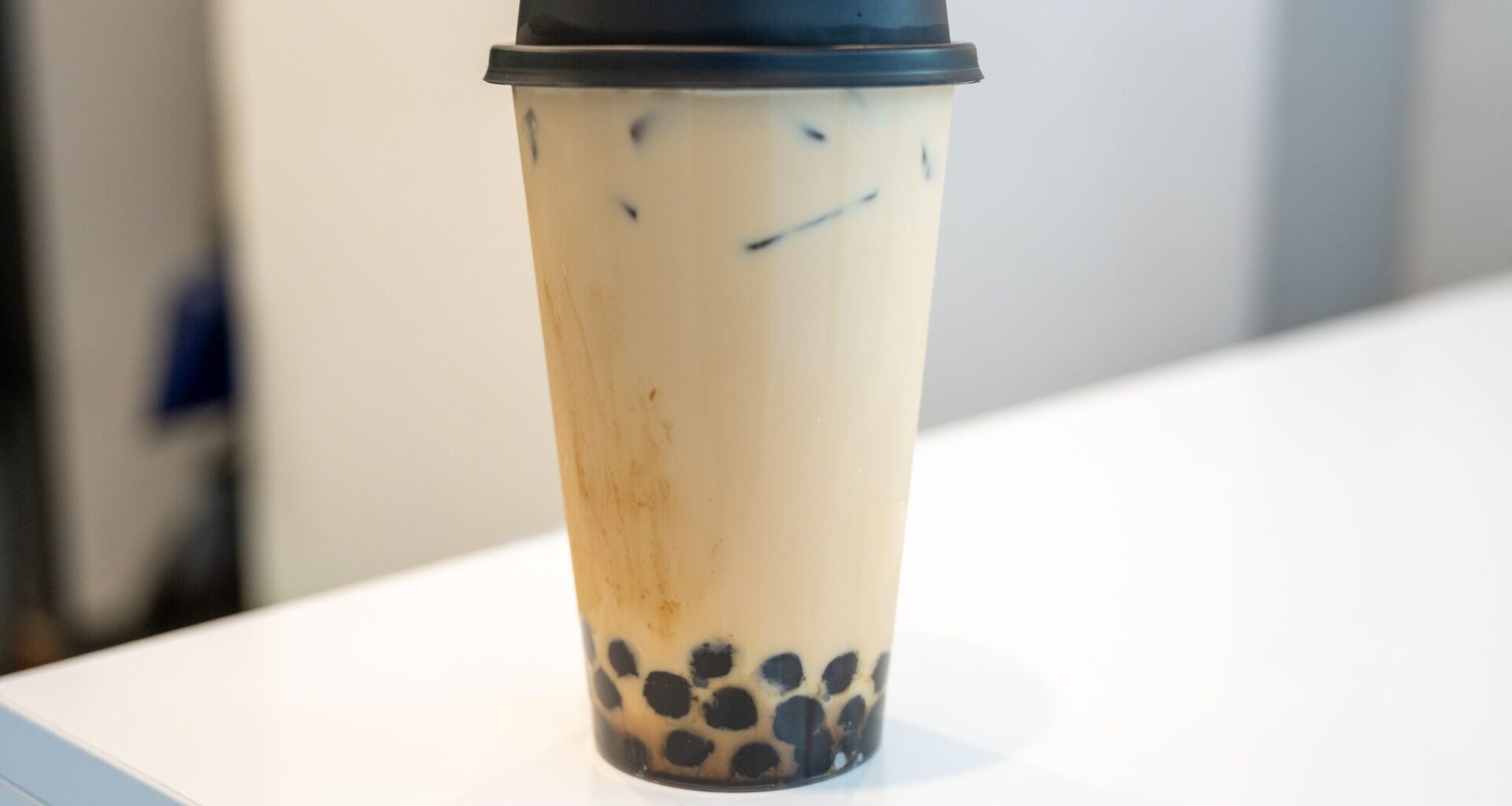
Coco’s Cafe, which bills itself as Austin’s first boba tea shop, has announced it will be closing its flagship location near the University of Texas after more than two decades in business. The longtime food and drink spot at 1910 Guadalupe St. will have its last day on May 10.
Coco’s Cafe owner and UT alumna Joyce Yang announced the closure on social media over the weekend. Yang expressed deep gratitude for the cafe and how it allowed her to give back to the community that shaped her.
“Rooted in our Taiwanese heritage, this space has become a place where culture, food and connection blossomed. Over the years, I’ve had the honor of sharing in countless memories with students, families and the UT community, and being present across generations of your lives,” Yang wrote.
“Guadelupe Street has truly been home, and we are endlessly grateful for the love and support you’ve shown us.”
While Coco’s Cafe still has its lineup of boba drinks and Taiwanese comfort foods available at its other location at 8557 Research Blvd. in North Austin, many are saddened by the loss of its flagship store.
“I’ve been going to this location since I was a kid in the 2000s. I’ll miss it so much, thankful you guys still have one location open,” one person wrote on Instagram.
“As an Austinite and UT Alumni Coco’s has been a part of so many happy memories. i’m actually so sad about this. Thank you for the yummiest foods and being one of the few spots i felt i could identify with as an Asian Austinite with few peers,” another wrote.
For decades, Coco’s Cafe has depended on students drifting through The Drag for business, Yang told the Austin-American Statesman. But that hasn’t been the case in the last few years, which is part of the reason they decided to close.
“In the years following COVID, those patterns have changed. Fewer students are going out casually, and more dining has shifted toward delivery,” Yang told the Statesman. “At the same time, the Drag has become increasingly challenging for delivery access and parking, making it harder for us to adapt to those new habits.”