
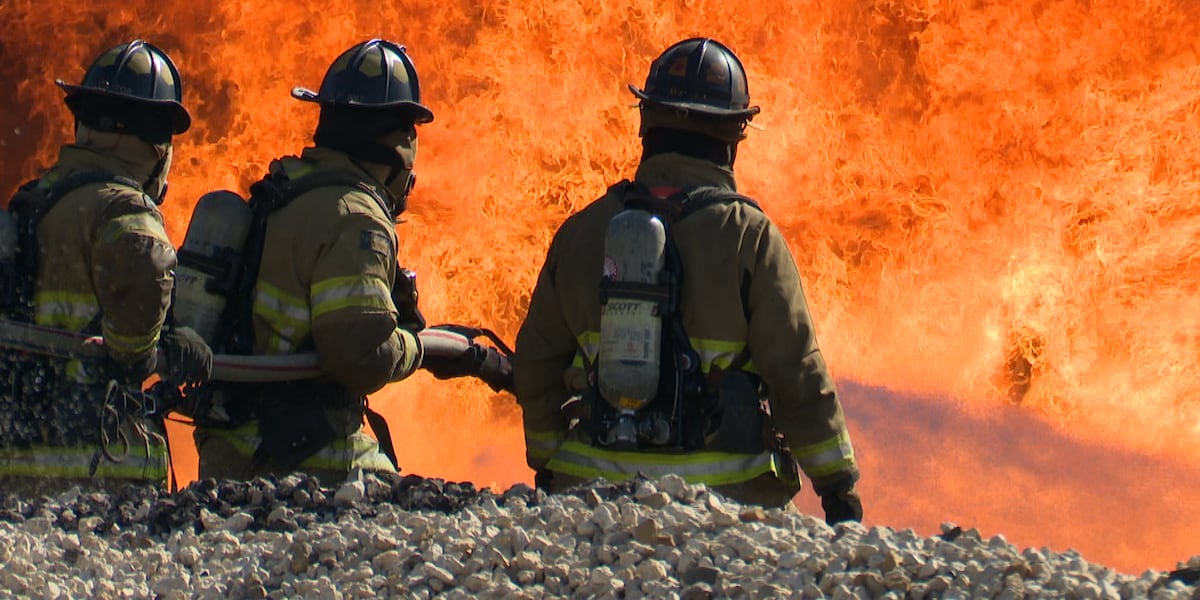
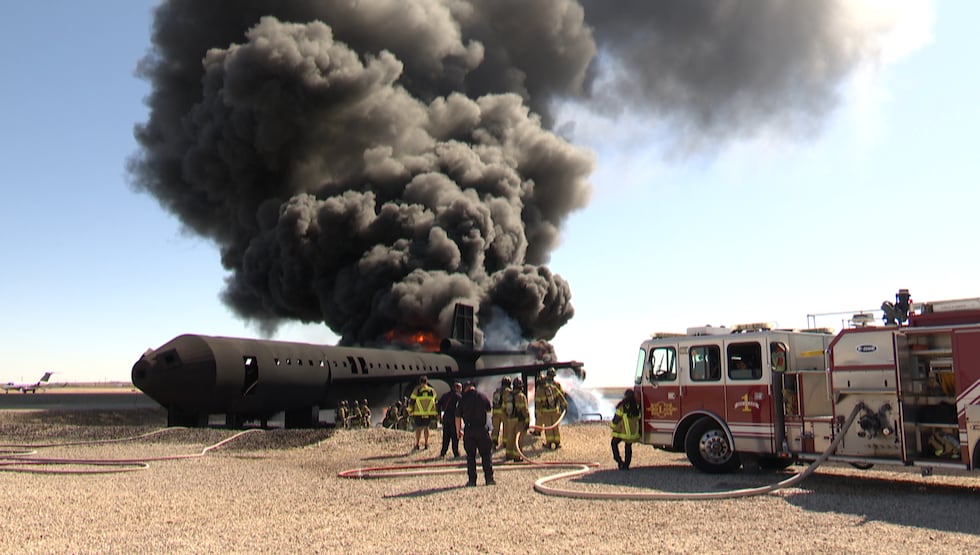
LUBBOCK, Texas (KCBD) – It’s not uncommon to see plumes of smoke coming from Lubbock Preston Smith International Airport, but it’s not an emergency – it’s Lubbock Fire Rescue.
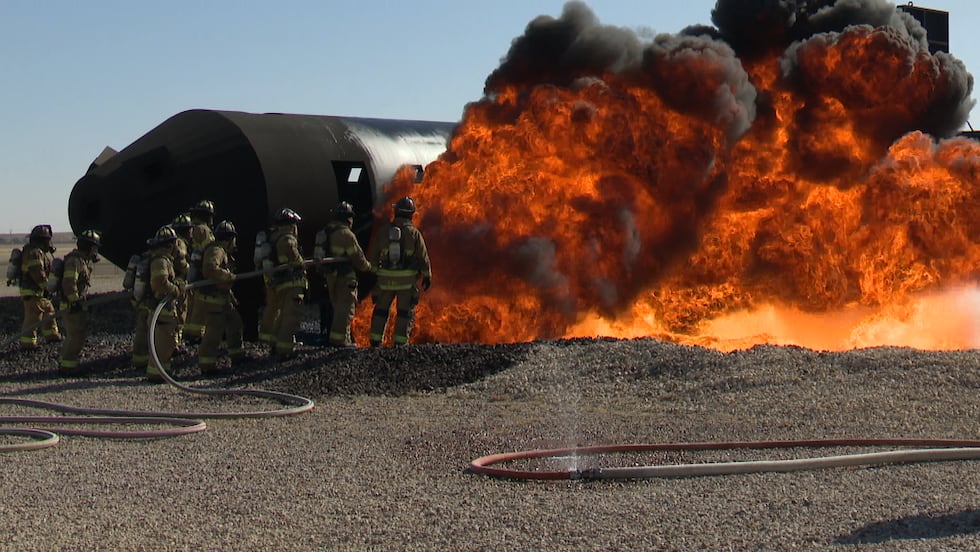
LFR sends its firefighters through a live fire training out at the airport at least once a year. They train for everything from plane crashes and fires to emergency diversions and triage situations.
 It’s not uncommon to see plumes of smoke coming from Lubbock Preston Smith International Airport, but it’s not an emergency – it’s Lubbock Fire Rescue.(KCBD Video)
“Obviously it doesn’t happen that often, especially at smaller airports like Lubbock Preston Smith International, we don’t have that many incidents compared to Atlanta or Dallas-Fort Worth,” Derek Delgado, LFR’s Public Information Officer, said. “It’s really important to us here at Lubbock Fire Rescue to stay on top of our training.”
 It’s not uncommon to see plumes of smoke coming from Lubbock Preston Smith International Airport, but it’s not an emergency – it’s Lubbock Fire Rescue.(KCBD Video)
LFR’s relationship with the airport is unique. Lubbock Preston Smith is one of the few across the country with both a training field and a fire station on its property.
Delgado says having a station there is what allows crews to respond to emergencies so quickly.
 It’s not uncommon to see plumes of smoke coming from Lubbock Preston Smith International Airport, but it’s not an emergency – it’s Lubbock Fire Rescue.(KCBD Video)
“As soon as the aircraft sends the alert to the control tower that they’re having some emergency, within seconds our crews are lined up on that runway,” Delgado said.
Lubbock Preston Smith International also allows LFR to conduct it’s training with diesel fuel – something many other airports do not.
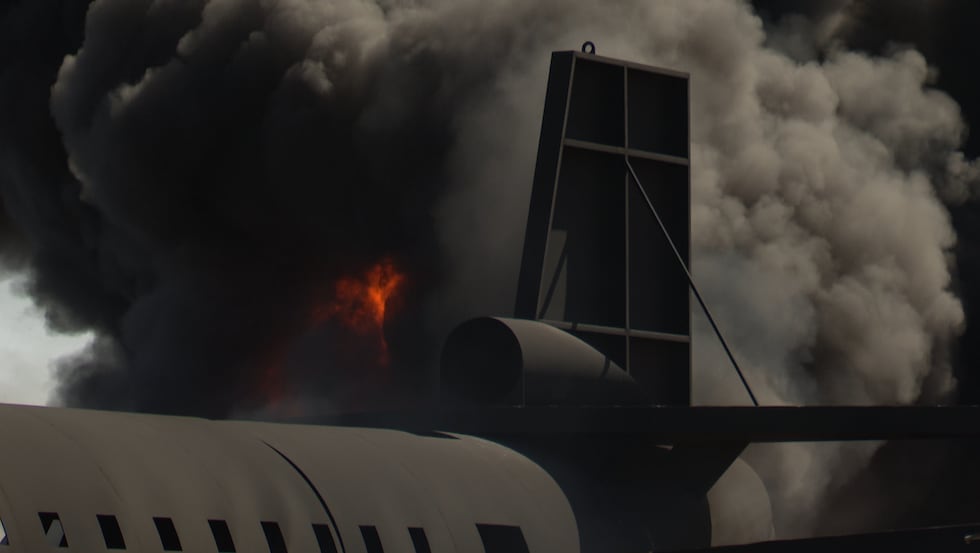
“It’s the most equivalent thing we can simulate to jet fuel burning,” Delgado said. “A training prop like this and the simulations best prepares our crews for those low frequency, high risk situations they could run into.”
The equipment used by the Lubbock Fire Rescue airport station is also different than what they have at regular stations. That’s another reason Delgado says it’s important to train crews who may need to use it.
“There are so many things that can catch on fire inside of a plane and all of those different types of liquids and chemicals react differently, so we need to make sure we have the proper extinguishing agent to put out those fires,” Delgado said.
The live fire trainings also teach firefighters how to respond to medical emergencies.
“It’s the chaos that comes with the incident. You have 150 people freaking out in a small area with very few exits,” Delgado said. “There could be a varying range of injuries.”
Although emergency situations at the airport are few and far between, Delgado says the training is crucial in keeping people safe.
“This is, again, one of those low frequency, high risk situations,” Delgado said. “But if there is an incident and you have to come do an emergency landing or have some type of medical emergency here at the airport, our crew is ready to respond at a moment’s notice.”
Anyone with questions about a live fire training can contact Airport Operations at (806) 775-2044.
Copyright 2026 KCBD. All rights reserved.