
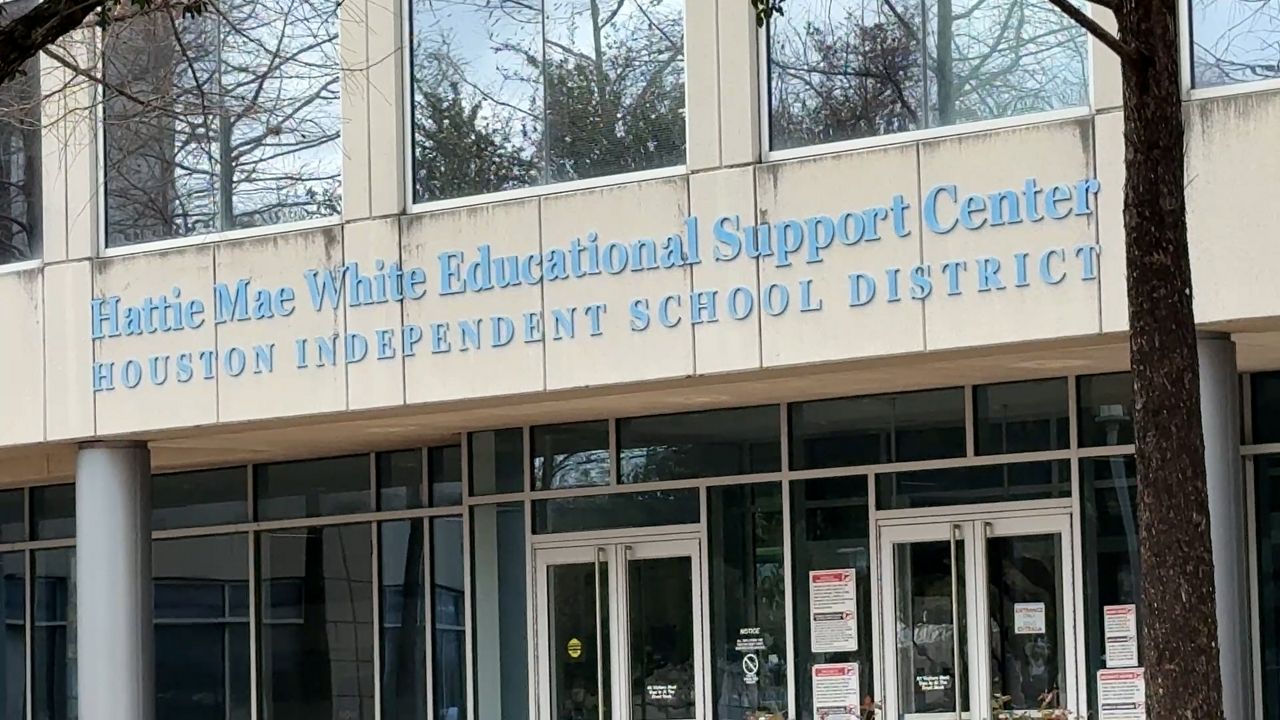
HOUSTON — It has been nearly three years since the controversial state takeover of Houston Independent School District, the largest school district in Texas, and it was a move the state-appointed school board said was intended to upend years of poor academic performance. Spectrum News 1 took a look at some of the changes since the takeover and found out why some parents and students are still pushing back against the state’s control.
Job cuts, resignations and declining enrollment have all been reported since the Texas Education Agency took control of HISD in 2023, replacing the school board and superintendent with state-appointed leaders.
“We have unelected officials making decisions that impact our community in very serious ways,” said Tashiba Dixon, a parent of students with special needs at Port Houston Elementary School.
Duncan Klussmann, a University of Houston professor and retired Spring Branch ISD superintendent, said the takeover wheels were already in motion and more are coming.
“The takeover was a result of a state law that was passed almost a decade ago that said if you had even just one failing school for five plus years, the commissioner had to take over the district or close the school,” he said.
State officials said seven consecutive years of failed ratings at Phillis Wheatley High School are what prompted the TEA to make HISD the largest district takeover in Texas.
As of 2026, the state now also controls its second-largest district, Fort Worth ISD, with at least three interventions in progress.
“The key is going to be how many of those can the state do and keep the same level of improvement going on in the school district,” said Klussmann, adding that takeovers are usually unsuccessful. However, he said HISD is an exception. “What’s different in this takeover is they had a very clear plan that they’ve been working on that they’ve been implementing, and they’ve actually shown significant student achievement growth, which is really unlike other takeovers that have occurred really across the country.”
During an August 2025 update, HISD Superintendent Mike Miles spotlighted some of the progress.
“Seventy-four percent of all our schools are all A or B-rated schools, and this week, not one child in HISD went to a failing school,” Miles stated, indicating his New Education System is making a difference.
“That doesn’t mean that everyone likes it, because you’re seeing enrollment declines in those schools,” said Klussmann.
Cindy Cura, the parent-teacher organization president for Port Houston Elementary School, said declining enrollment is a sign that Miles’ approach is not working.
“In some schools, it might. To other schools, no, but for my kid, it’s been a lot of stress for him,” she said.
According to the TEA, the school enrolled 292 students in 2019. In 2026, that number dropped to 254.
Cura said the takeover went from bad to worse when HISD announced the closures of 12 schools, including Ross Elementary, Fleming Middle and Port Houston Elementary, sparking districtwide protests.
“We raised our voice. We had a lot of support at the district,” Cura said.
She and other parents have also complained about what they call poor communication from the district and not enough time given to consider any school choice options.
“There was a lot of mixed emotions. I did cry,” said Deysy Arellano, a Port Houston parent.
HISD said in a news release that declining enrollment, aging facilities and the need for long term financial stability prompted the closures. The district also indicated it is working to preserve the programs and support systems, as well as school legacies.
“Our primary concern is holding them accountable for the things they say they’re gonna do now,” said Dixon.
Klussmann said it is important to look into the potential long-term effects of state school district takeovers.
“We may be seeing a bump in scores right now. We don’t know what that really means for students when they leave the system, and I think that’s what we’ve got to focus on,” he said.