
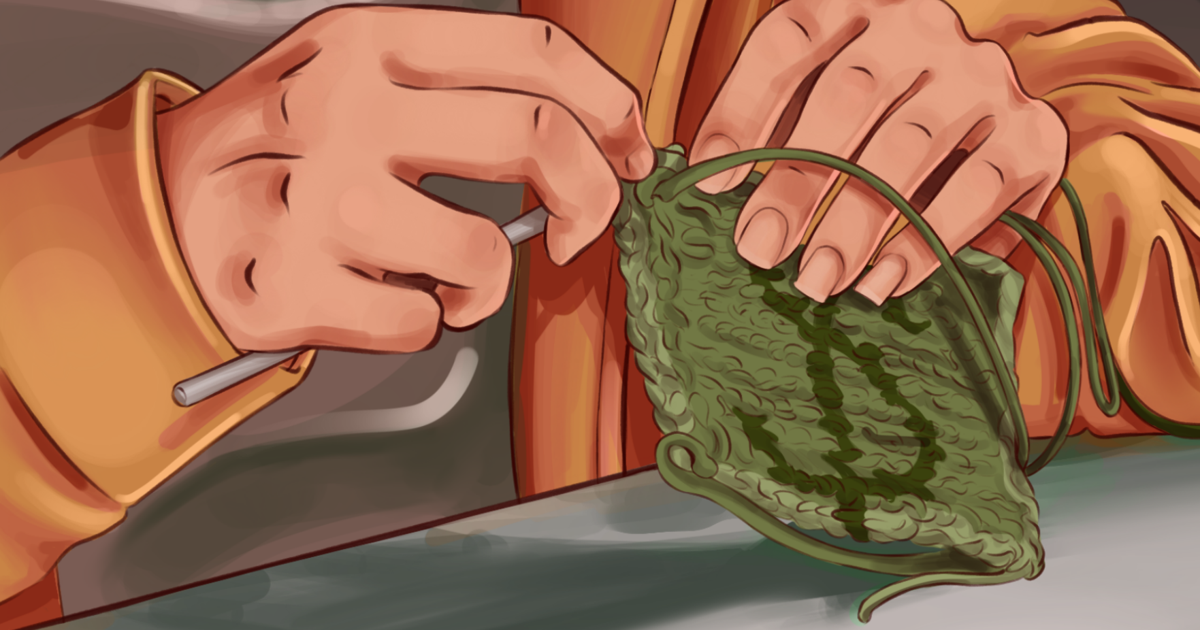

In a fast-paced world, hobbies are a positive way to take a break from school and work. From crafting, cooking, gardening and birdwatching, hobbies can range from casual interests to a more time-consuming passion. But in a society that promotes side hustles and digital content, the joy of hobbies may be getting lost.
Having an enjoyable hobby can reduce stress, improve cognitive function and boost mental well-being, according to UCLA Health. But some people online have observed that people are no longer engaging in hobbies solely for enjoyment.
While side hustles are on the decline, 38% of Americans in 2022 had a side hustle of some kind to provide an extra source of income, according to a survey by LendingTree, an online loan marketplace. Elevated inflation rates over the past five years and a higher cost of living have led to many needing a supplementary income. This secondary income can come at the cost of pursuing hobbies solely for enjoyment.
While seeking secondary income is not inherently bad, and often necessary, it can create an issue when there is an expectation that hobbies should be monetized, which can then remove the enjoyment from them.
Etsy, a site where people sell handmade clothes, jewelry and other similar items, has had an increase in sellers in recent years. The online marketplace went from having 1.3 million sellers on its site in 2014 to 8.1 million in 2024, according to Business of Apps.
As more people join the monetization of hobbies, it leaves less space for casual participation.
On social media, it is common to see comments under posts from artisans that are some variation of “sorry for ever touching a pencil.” While this is a lighthearted joke, there is a deeper level of discouragement underneath. Many might believe that if they are not on a professional level for an activity, it isn’t worth doing.
With the rise of social media, especially video platforms like YouTube and TikTok, many people may also be compelled to turn their hobbies into content. While some content creators make videos for fun, many more use social media to earn extra money.
It is increasingly common to see content creators link their own shop to their videos, or have a class you can pay for to learn a skill from them. Others make money solely from people watching them do their hobby.
There is a misconception that hobbies need to be something that a person is good at. The word amateur sometimes carries a negative connotation in modern society and can be used as an insult. However, an amateur is defined as a person who engages in a pursuit as a pastime, not as a professional.
In a society that treats being an amateur as shameful, it is important to realize how good a person is at an activity does not directly affect the benefits they receive from it. The benefits received from participating in an activity do not solely rely on how well it is performed, but rather on how much enjoyment is gained from doing it, according to a 2023 study published on Nature Medicine.
In an increasingly digital world, broadcasting what one does online has become the norm. However, it is OK to keep a sense of privacy when it comes to hobbies, and people shouldn’t let the fear of judgment prevent them from trying something fun or new.
It’s OK to be bad at an activity, especially at first. The internet is full of videos and tutorials explaining how to do different crafts and activities, such as crocheting, painting or sewing. Public libraries have books and resources that are free or very low-cost.
Be intentional about planning an hour or two into the week to participate in a hobby. UTA itself offers many clubs, student organizations and exercise classes that students can engage with outside of classes and work.
In a fast-paced world, it is important to spend a moment doing something enjoyable, regardless of skill level.