
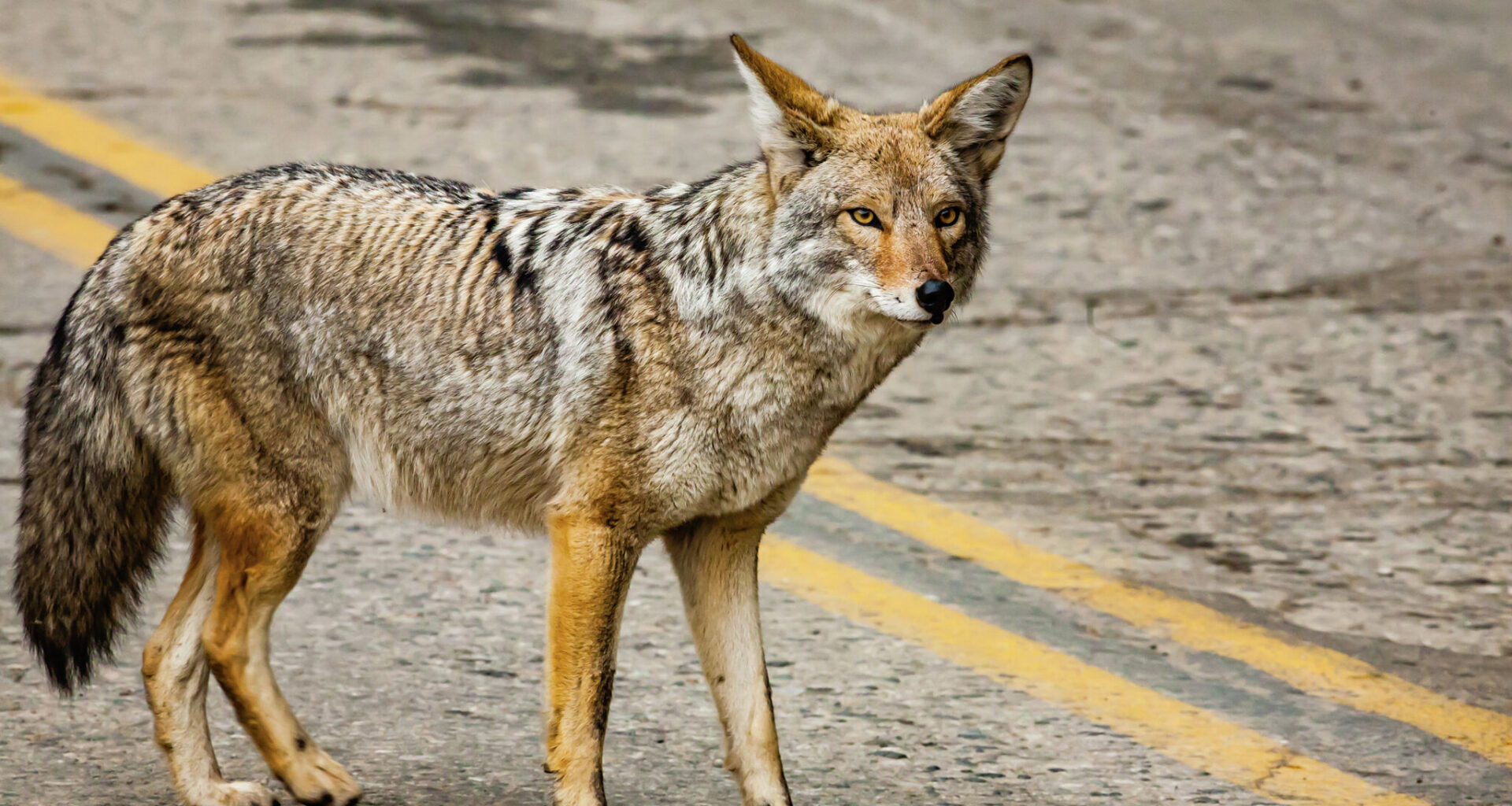
Spring is a great time to learn how to peacefully coexist alongside our wild neighbors.
Coyote pup rearing season, also called pup season, runs from April to June. Just like with any attentive parent, coyotes have a lot to do and keep track of when raising their kids.
To keep their pups warm, fed and safe, adult coyotes have to travel more frequently between hunting areas and den sites. And when you have five to six pups, that work is a full-time job with no days off — which is exactly why you’re starting to see them.
Coyotes are highly adaptable to a variety of landscapes, which allows them to survive even as cities like Dallas expand and develop. Even though they really aren’t interested in direct interaction with people, during pup season, coyotes may “escort” threats away from their dens by following perceived threats or vocalizing near them until they are no longer near their young. What may appear like an aggressive stance is most often vigilant parents protecting their pups and homes.
Most conflicts follow predictable patterns, which is why reporting matters. Dallas Animal Services tracks coyote activity to identify those patterns over time. This information helps the city respond sooner and anticipate issues before they escalate. Residents are encouraged to report sightings to the coyote hotline at 469-676-9813.
By late spring, last year’s pups start pushing out on their own. These young adults are still figuring out the rules, and without close parental guidance, they can make mistakes. Leaving garbage unsecured or pet food on the porch or feeding coyotes in yards or parks encourages those mistakes by habituating hungry animals to human food, particularly as their natural areas shrink and they come in closer contact with people.
So what can you actually do?
Leash your dog in parks and greenbelts, not because coyotes are hunting your Lab, but because a dog blundering toward a den site will trigger every protective instinct a coyote parent has. If a coyote starts trailing you, it’s not a threat. It’s a parent running an escort. Keep moving, and it will peel off once you’re clear of the den.
Lock down your garbage, compost, fallen fruit and pet food. Never feed wild animals. Tell your neighbors, too.
Give known den areas a wide berth. Keep kids close at dawn and dusk.
That’s it. That’s coexistence. And that’s how we avoid conflict with them. When coexistence happens, coyotes will be able to spend their lives keeping rodent populations in check, holding ecosystems together, doing the quiet natural work that makes your neighborhood function.
All they’re asking for right now is a little space to survive and care for their families.