
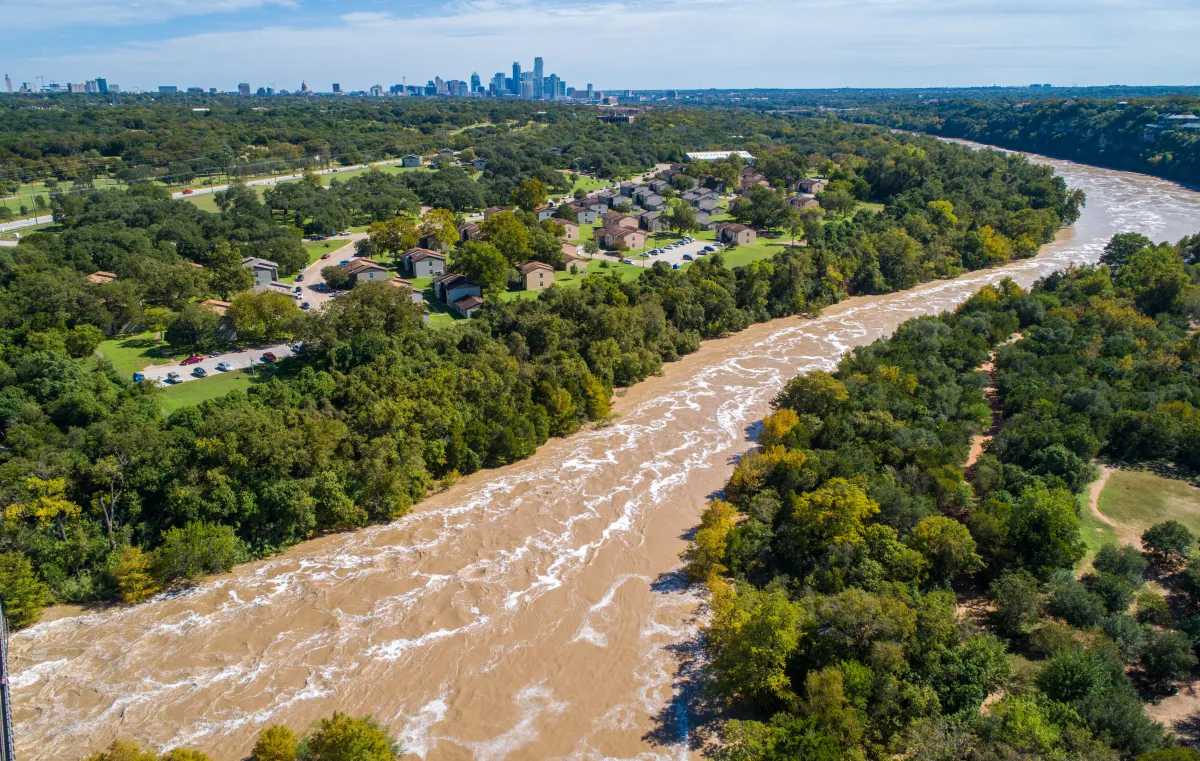
A Flood Watch has been issued for large portions of South-Central Texas, including the Austin area, with forecasters warning that a “life-threatening” flash flooding situation could develop as multiple rounds of heavy rain move through the region.
The National Weather Service (NWS) Austin/San Antonio office said the watch is in effect from Thursday evening through Friday evening as showers and thunderstorms are expected to intensify late Thursday and continue into early Friday. While officials said much of the rainfall will be beneficial, they warned that high rainfall rates could trigger isolated to scattered instances of dangerous flash flooding.
The NWS said flooding could impact creeks, streams, urban areas and other locations with poor drainage, with conditions especially hazardous at night when flooded roadways are harder to spot. Residents are urged to stay weather-aware, enable Wireless Emergency Alerts on their phones, and be prepared to act quickly if Flash Flood Warnings are issued.
Austin Weather: Flood Watch, Heavy Rain
The flood watch in place for Austin warned that rainfall could range from 2 to 4 inches, with up to 6 inches possible in isolated locations.
“There is a potential for LIFE-THREATENING flooding somewhere in the watch area,” NWS Austin/San Antonio said in the flood watch. “Excessive runoff may result in flooding of rivers, creeks, streams, and other low-lying and flood-prone locations. Creeks and streams may rise out of their banks. Flooding may occur in poor drainage and urban areas. Low-water crossings may be flooded.”
 San Antonio Weather: Flood Watch, Heavy Rain
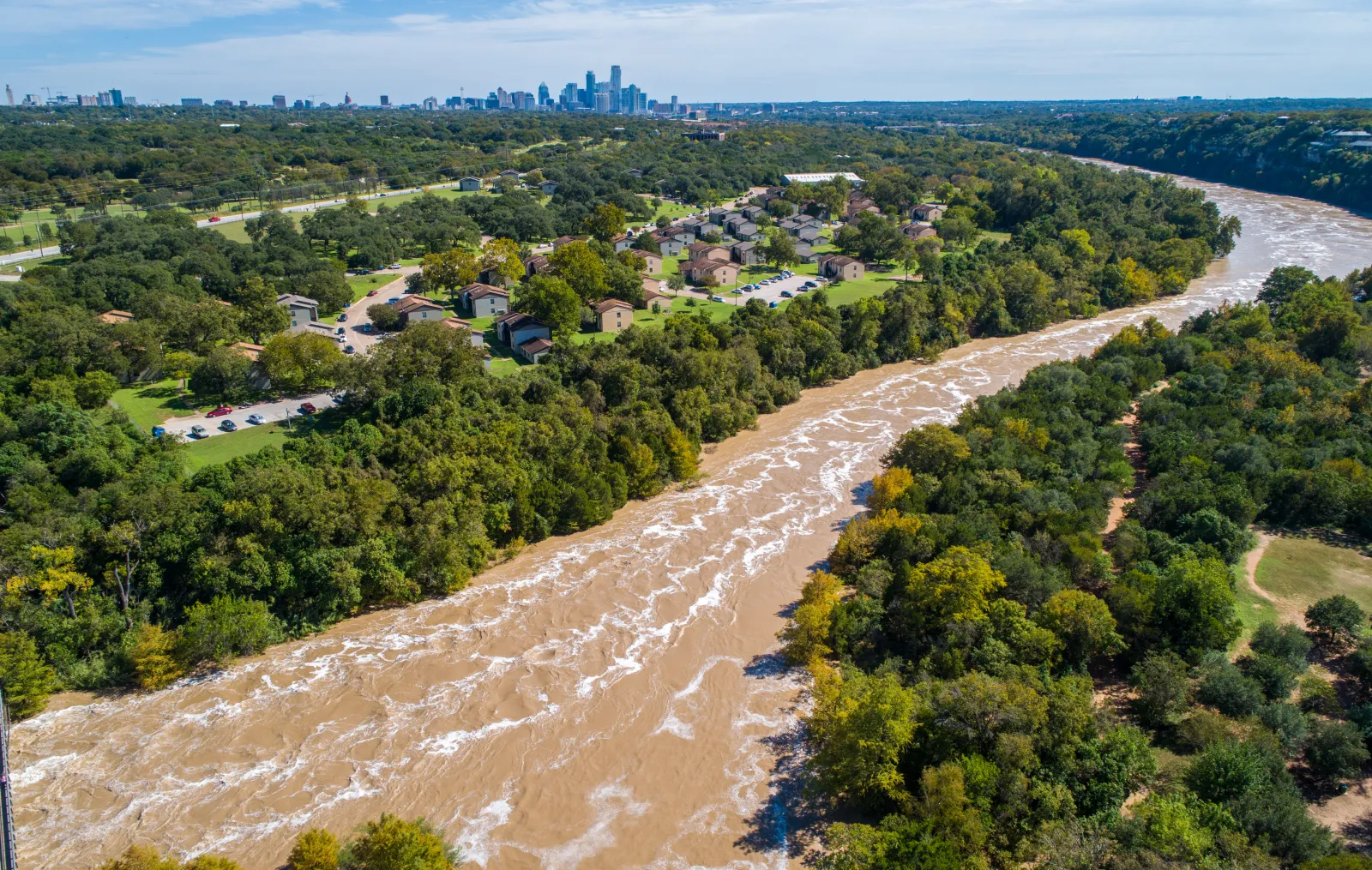
San Antonio falls under the same forecast region as Austin, so the same flood watch alert applies. The flood watch goes into effect at 9 p.m. CDT Thursday night.
Other nearby impacted locations include Bandera, Burnet, Boerne, Bastrop, La Grange, Seguin, Leakey, Kerrville, Blanco, Llano, Fredericksburg, Floresville, New Braunfels, Georgetown, Gonzales, Rocksprings, San Marcos, Brackettville, Lockhart, Giddings, Uvalde, Del Rio, and Hondo.
Animated weather footage from windy.com indicates which parts of Texas could see the heaviest rainfall over the next few days.
Houston Weather: Flood Watch
A flood watch will go into effect for Houston and surrounding areas late Thursday night and remain in place through late Friday night. An exact rainfall forecast was not provided in the alert, but NWS meteorologists warned that “several inches” were possible.
Texas Rainfall Map as Storms Hit
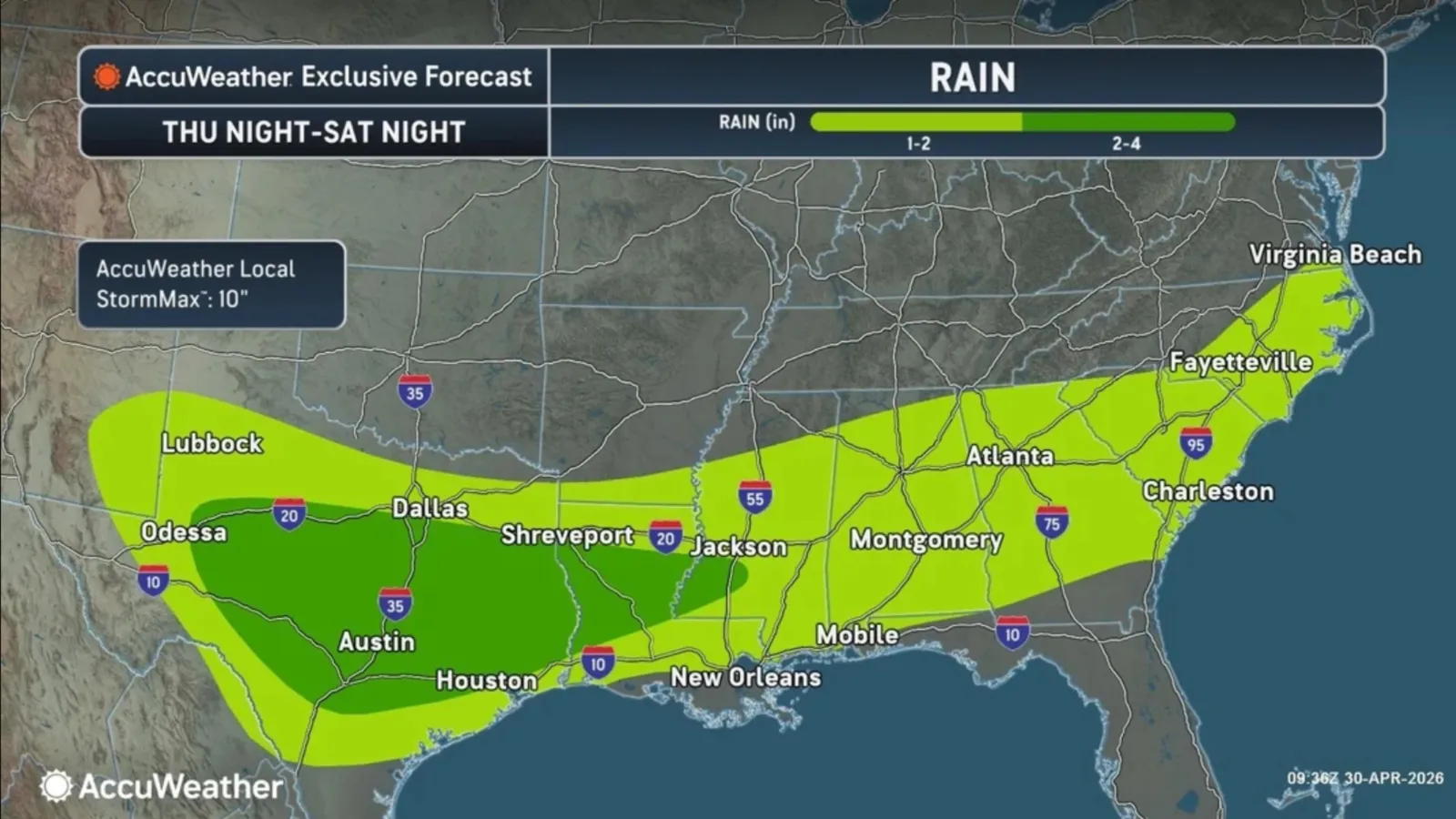
On Thursday, an AccuWeather rainfall map for the U.S. South and Southeast showed that the heaviest amounts were expected in Texas later this week and into the weekend, although several other states are also expecting rounds of beneficial rain.
“A widespread 1 to 4 inches of rain will go a long way in reducing wildfire risk, but it will not erase the drought,” AccuWeather senior meteorologist Tyler Roys told Newsweek. “Some areas are running a foot or more below the historical average for rainfall this year. Some fire zones may miss out on meaningful rainfall from this storm.”
 Flood Watch vs. Flash Flood Warning
A flood watch is issued by the NWS when weather conditions are favorable for flooding to develop in a given area, often due to forecast heavy rain, snowmelt, or saturated ground. It does not mean flooding is happening yet, but it signals that it is possible and that residents should be prepared, monitor forecasts, and review safety plans. Flood watches can be issued hours or even days in advance and typically cover broader geographic areas, reflecting uncertainty about exactly where flooding may occur.
A flash flood warning, by contrast, is far more urgent and means flooding is either imminent or already occurring. Flash floods develop very quickly, sometimes within minutes, and can be especially dangerous because they produce fast‑moving water that can overwhelm roads, creeks, and urban drainage systems with little warning. When a flash flood warning is issued, people in the affected area are advised to move to higher ground immediately and avoid travel, as conditions can become life‑threatening in a short period of time.
The widespread flood watches come as Texas continues to reckon with the aftermath of last year’s devastating flash flooding, including at Camp Mystic, where 27 campers and counselors were killed when fast‑rising waters swept through the girls’ summer camp in July. State officials and families have pointed to the tragedy as a stark reminder of how quickly conditions can turn deadly during intense rain events, when flash floods can develop with little warning.
Camp Mystic has since withdrawn its application to reopen for the 2026 season, CNN reported, as investigations and lawsuits remain ongoing, underscoring renewed scrutiny of flood preparedness and emergency response as a flash-flood threat once again looms.