
As spring stretches into summer, and temperatures begin to climb, Austin Parks and Recreation knows just where to go when it comes to keeping cool. And while locals and out-of-towners alike might be inclined to think of Barton Springs as the most obvious spot for a cooling dip, the city is full of options, offering plenty of shade, refreshing water, and rich history.
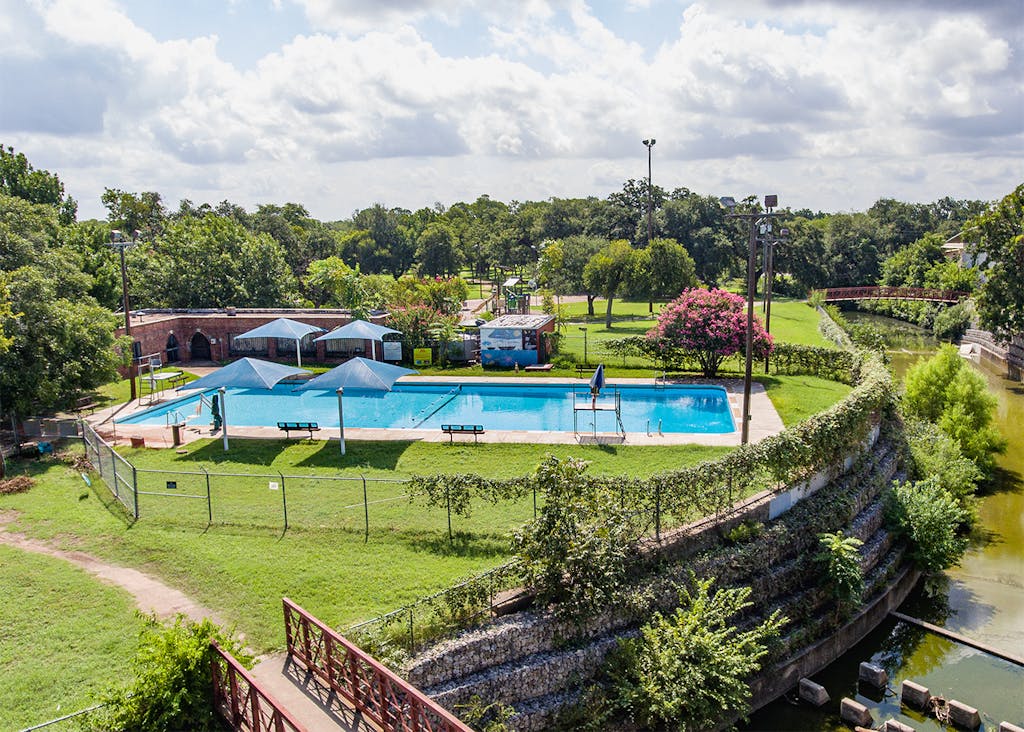
Situated along East Austin’s Boggy Creek, Parque Zaragoza is more than just a gathering place; it’s a testament to the efforts of the city’s Mexican American community. In the early 1930s, as restrictive housing measures pushed much of Austin’s Latino population east of I-35, Mexican American community leaders petitioned City Hall for a much-needed recreational space.
 Austin History Center, Austin Public Library
Since 1931, Parque Zaragoza, named for the Mexican general who led his troops to victory over the French on May 5, 1862, has served as a vital part of Austin’s Latino community. This is where generations of Austinites have met to celebrate Cinco de Mayo and Diez y Seis; where neighbors come together for reunions, baseball tournaments, and potluck Thanksgivings.
Today, while the park’s amenities have been updated, it’s the new and returning generations of families that keep its history alive.
Open: June 8
In 1927, Austin was about to undergo a massive change. The City Council hired a Dallas firm to develop the city’s first master plan to address a host of issues, including the creation of additional roads, the Recreation Department, and other public services. The plan established a “Negro District” in East Austin, skirting Jim Crow’s “separate but equal” doctrine by providing these basic amenities to Black Austinites only within the district, and denying them to those who lived elsewhere.
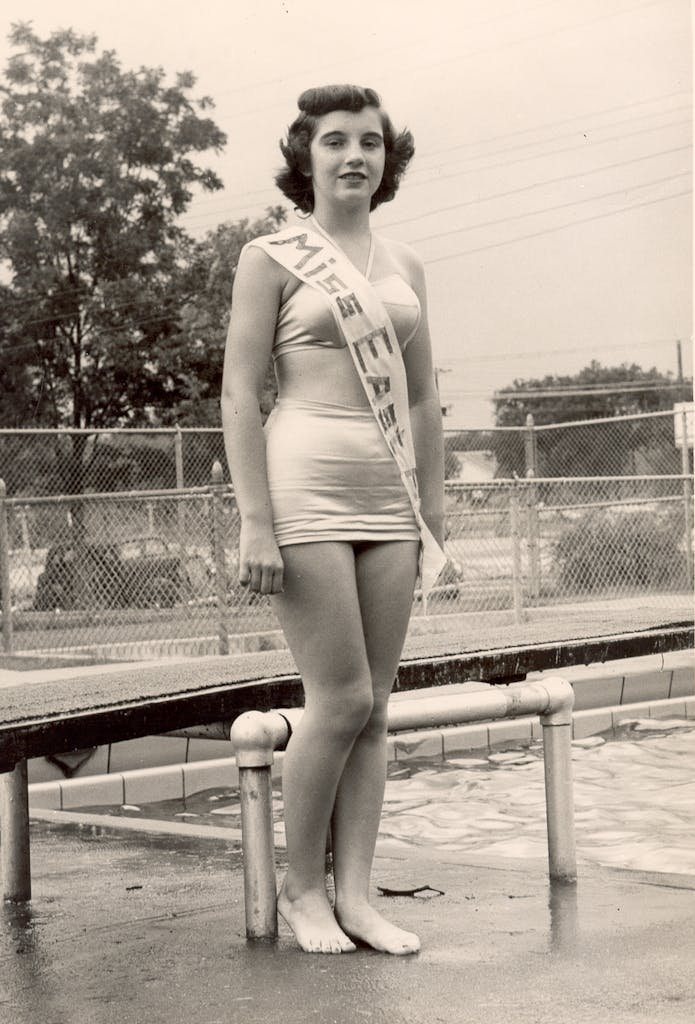
Established in 1929, Rosewood Park became Austin’s first public park and playground for African Americans, debuting with a recreation center, swimming pool, bandstand, and sports field. It has since expanded to include a bathhouse, concession stand, and auditorium. Rosewood Park flourished as a cultural hub, where after-school programs, workshops, and beloved community events, like the Miss East Austin Pageant, were held for decades.
Continuing in its precedent of growth and legacy, the Doris Miller Auditorium was constructed in 1944 for the USO. Named for Doris “Dorie” Miller, the first African American recipient of the Navy Cross, the venue was created to serve Black service members stationed in Central Texas during WWII. This safe haven for Black Austinites became a premier entertainment venue and stop on the Jim Crow-era “Chitlin’ Circuit,” nurturing the blues and jazz scene as it welcomed performers like Nat King Cole and Louis Armstrong.
Open: May 29
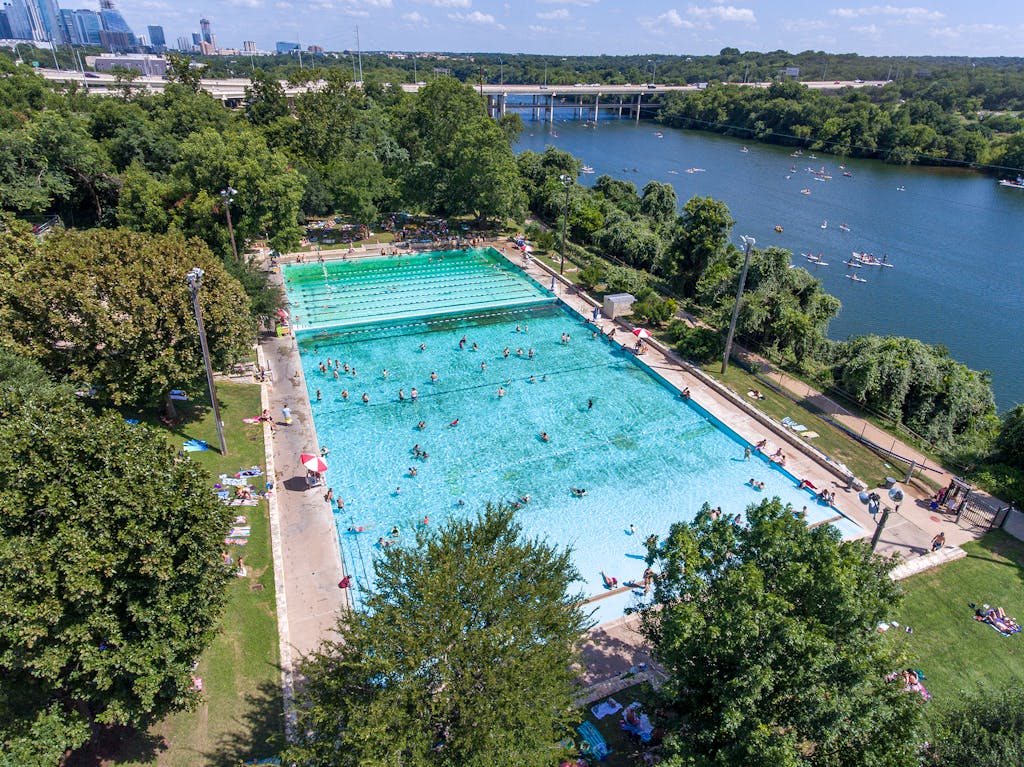
Before modern air-conditioned comfort, swimming and shade were summer essentials in Texas. Austinites of the early 20th century would travel by electric trolley to the end of the line, followed by a short stroll to “Deep Eddy Bathing Beach.” Located on the Colorado River just outside of Austin’s city limits, visitors could boat, camp, fish, ride a zip-line, hop on a horse-powered merry-go-round, and of course, go for a swim. The site was later purchased in 1915, and the first swimming pool in Texas was constructed!
It was transformed into something more like a carnival ground, with new bathhouses and rental cottages, along with a slew of attractions, including a Ferris wheel, a 70-foot slide, and a 50-foot diving board. With silent film screenings, as well as sideshow oddities like “the World Champion Diving Baby,” “the Human Fish,” and “Great Lorena’s Diving Horse,” there was no shortage of entertainment.
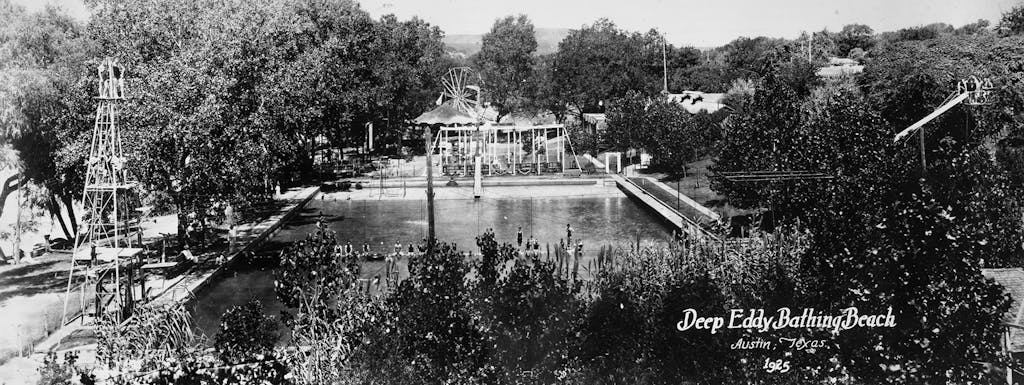 Austin History Center, Austin Public Library
City of Austin later purchased the Deep Eddy grounds in 1935 and opened them to the public the following year. Offering ample shade and lawn space, multiple swimming lanes, a scenic view of the river, and well waters that consistently hover at a crisp 68-70 degrees, this year-round gem remains a staple to Austin’s outdoor activities.
Open: Year-round
 Austin History Center, Austin Public Library
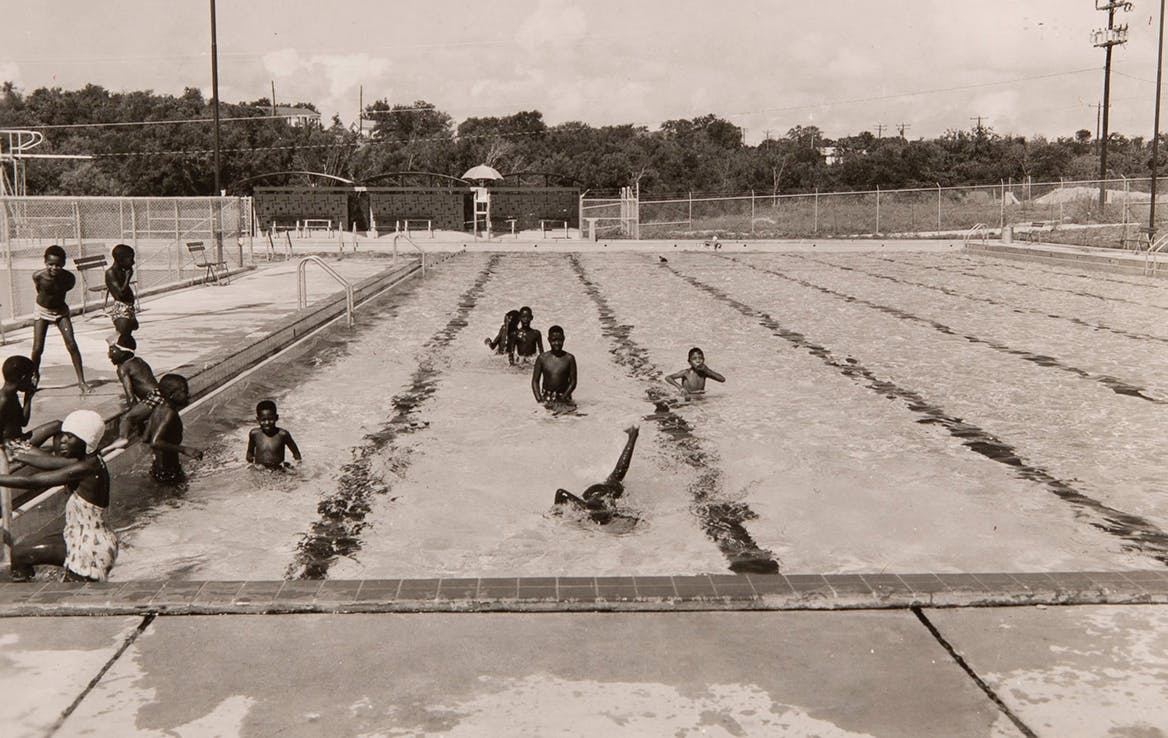
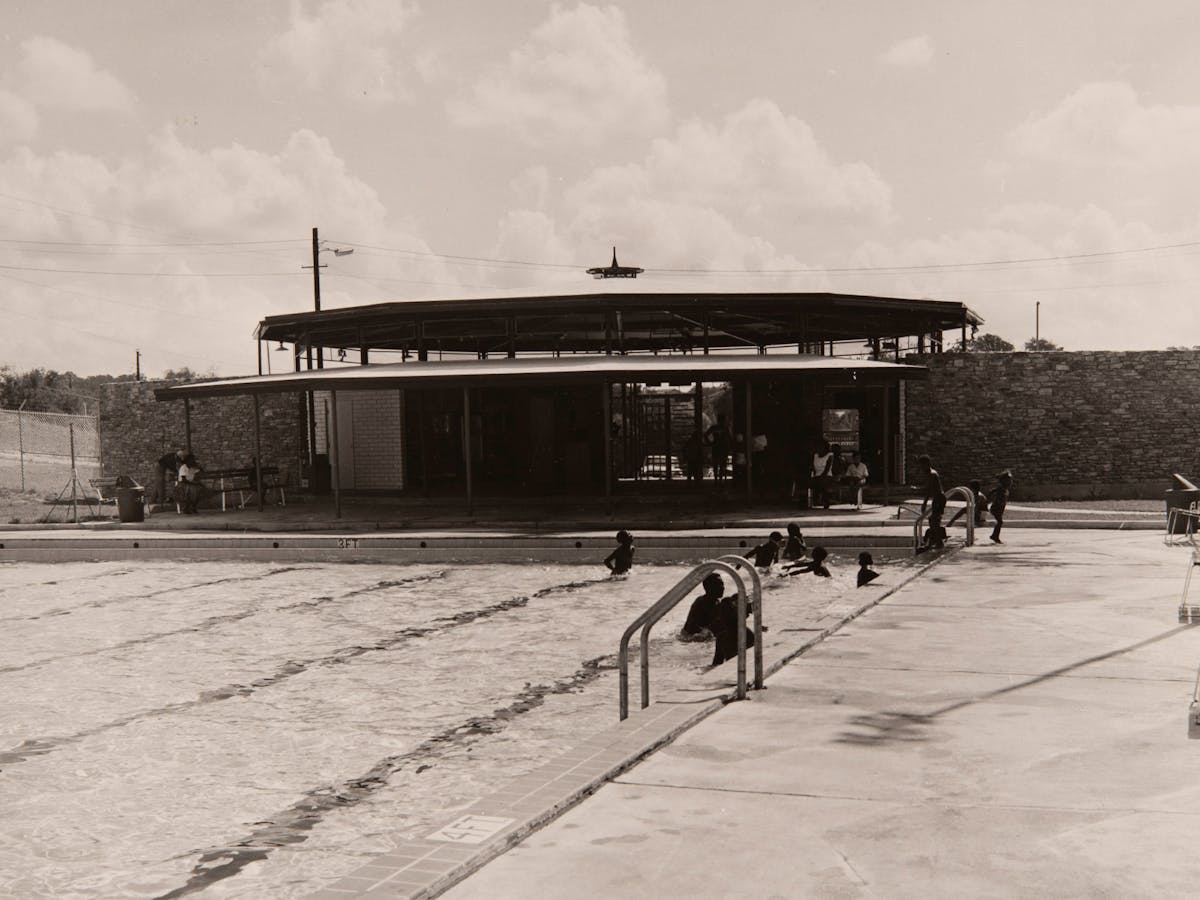
Givens Park and Pool were named after Dr. Everett Humble Givens. A trailblazer who became one of Austin’s first Black dentists, Givens was a fierce civic advocate who spent his life pushing for increased resources and infrastructure in East Austin. A World War I veteran, Givens frequented City Council meetings, pushing for changes both large and small, from getting the city to hire its first Black firefighters to petitioning for another pool to meet the needs of the neighborhood. At the time, Rosewood Park was the only other municipal park African Americans could visit.
 Austin History Center, Austin Public Library
Opened in 1959, the park later expanded in 1979 to include the Givens District Recreation Center, which continues to facilitate neighborhood youth sports. 2024 marked a new era for the park, with a massive renovation that included refurbishing the entire pool complex and pavilion, as well as slides, making it ideal for summer family fun!
Open: June 1
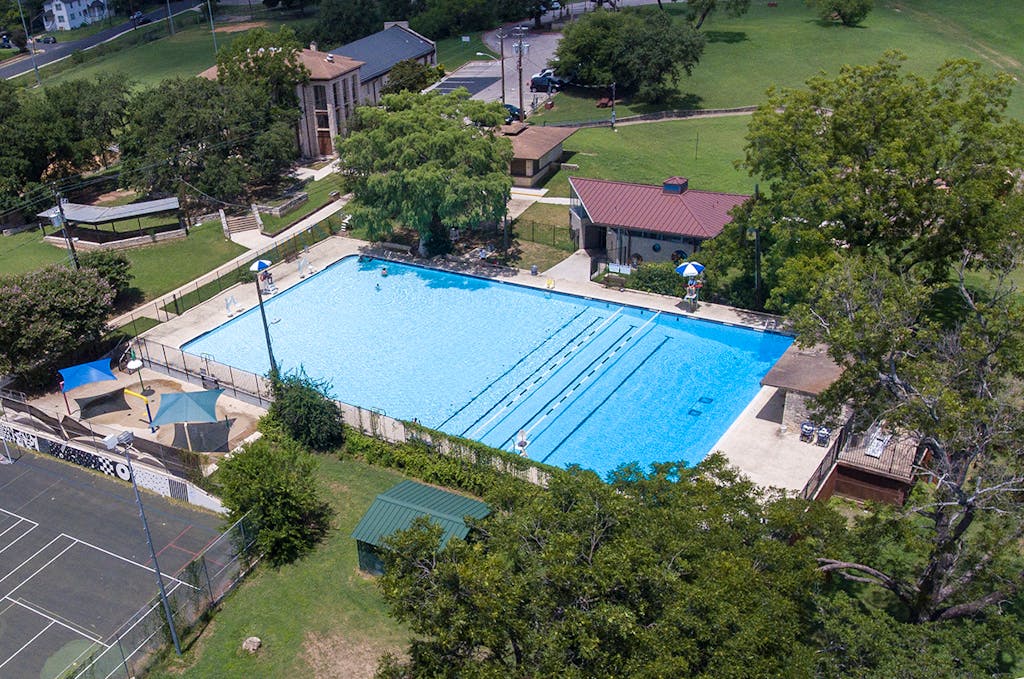
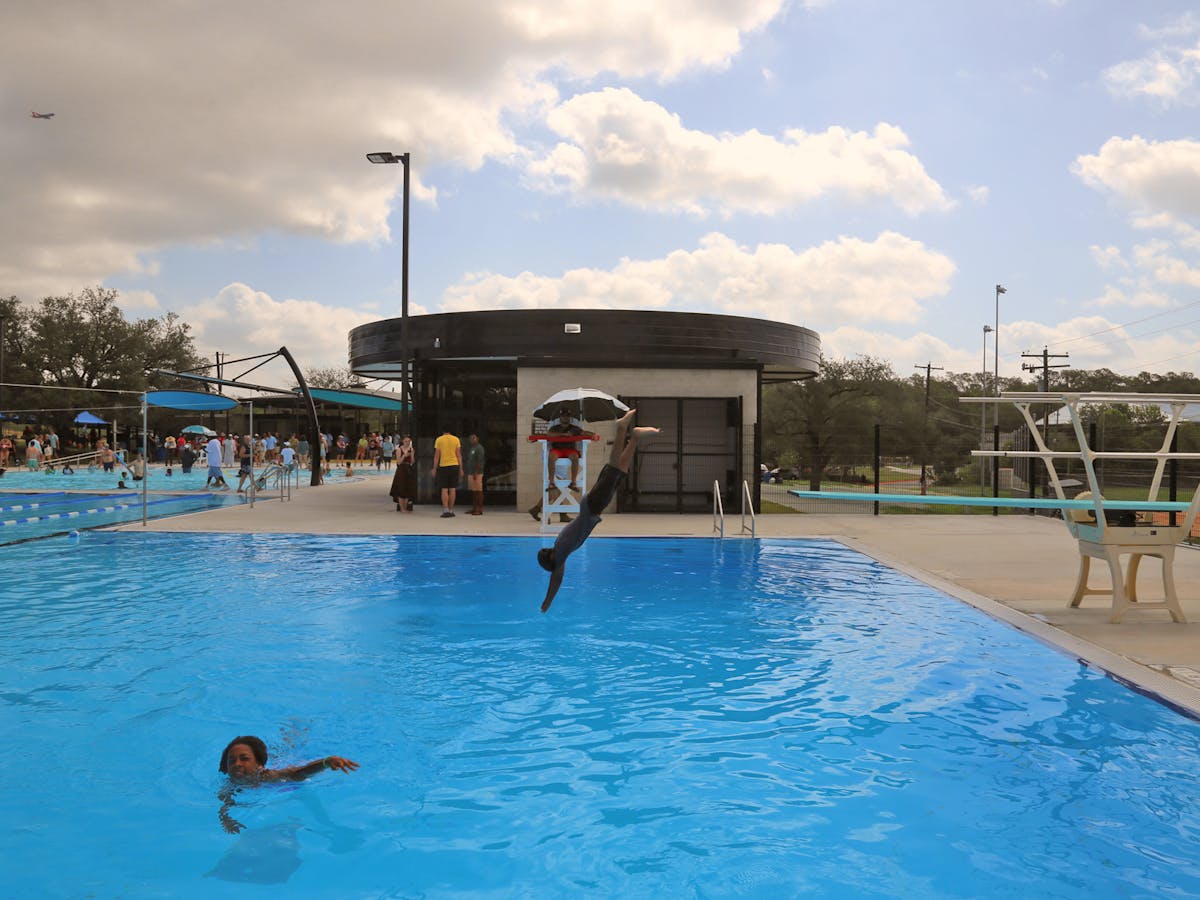
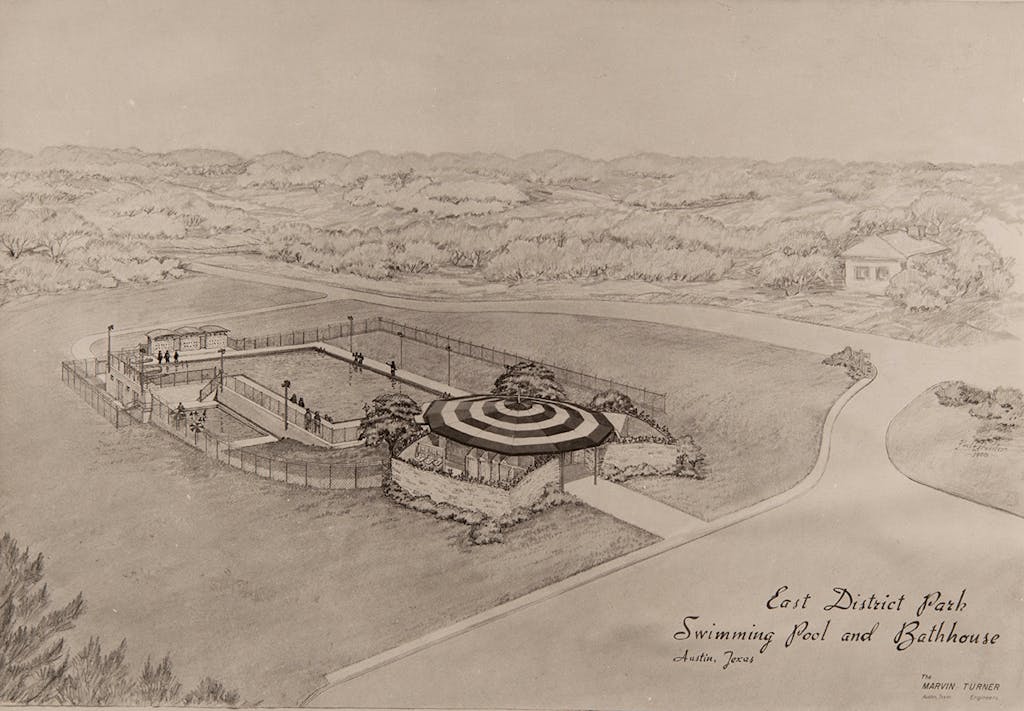
Before it became the site of Austin’s first Olympic-sized swimming pool, Beverly S. Sheffield Northwest Park served as the quarry that supplied the limestone for Texas’s impressive 1853 Capitol Building. By the summer of 1956, the grounds were converted into a park that featured a modern circular bathhouse (the first of its kind in the city) and a pool that, believe it or not, attracted more visitors than Barton Springs in its first month.
The facility would take on a new name in 2001 to honor former Parks & Recreation Director Beverly Sheffield, who was instrumental in developing the city’s greenbelts, pools, and recreational areas from 1947 to 1973.
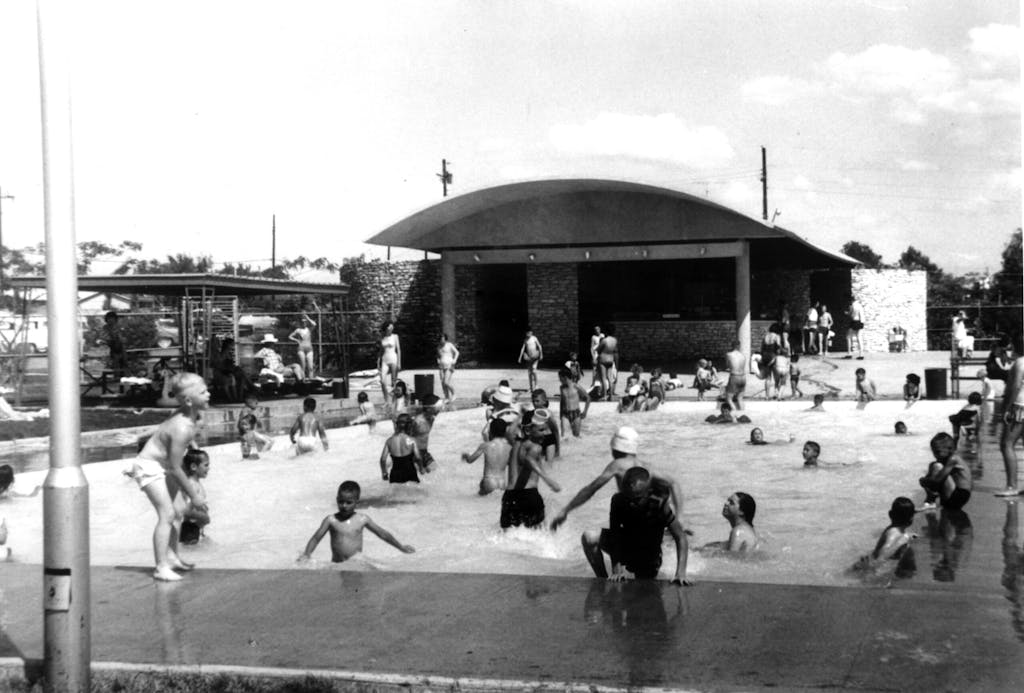 Austin History Center, Austin Public Library
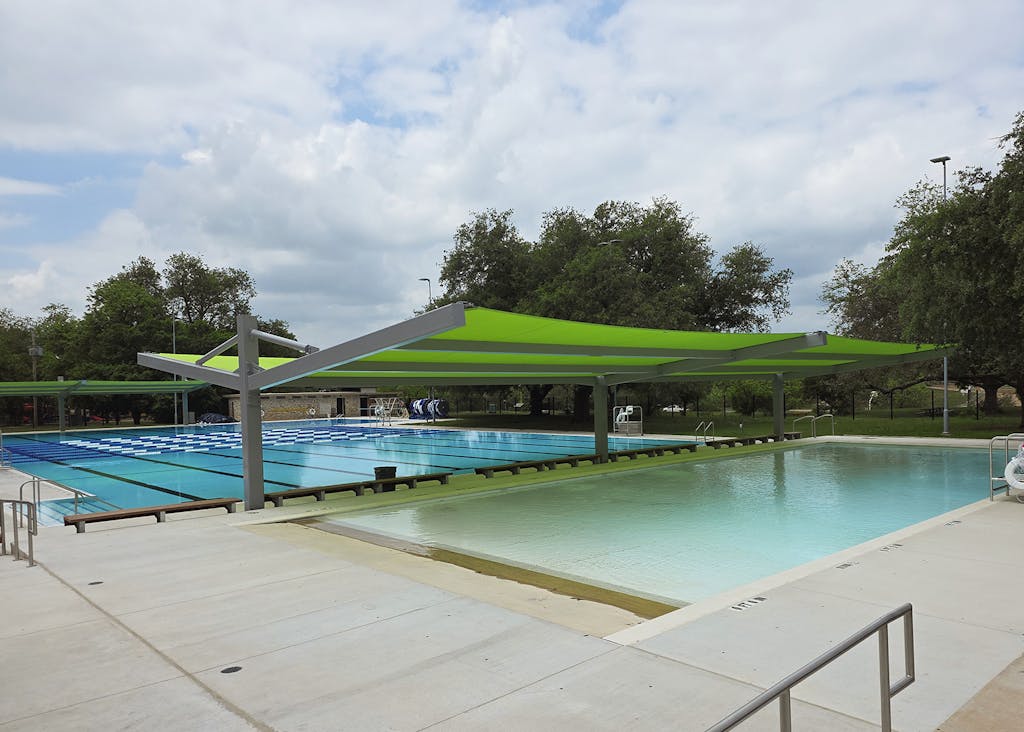
After undergoing a total renovation, the pool reopened on April 27, 2026. Updated amenities to the 31-acre green space include a zero-entry toddler pool, additional shade structures, renovated bathhouses, and lawn space.
Open: April 27
For over a hundred years, these swimming sanctuaries have been and continue to be important anchors to communities across Austin, dedicated to providing recreation, relaxation, and much-needed cool water during the hot Texas summer. Grab your friends and family and discover the pools that shaped the city.