
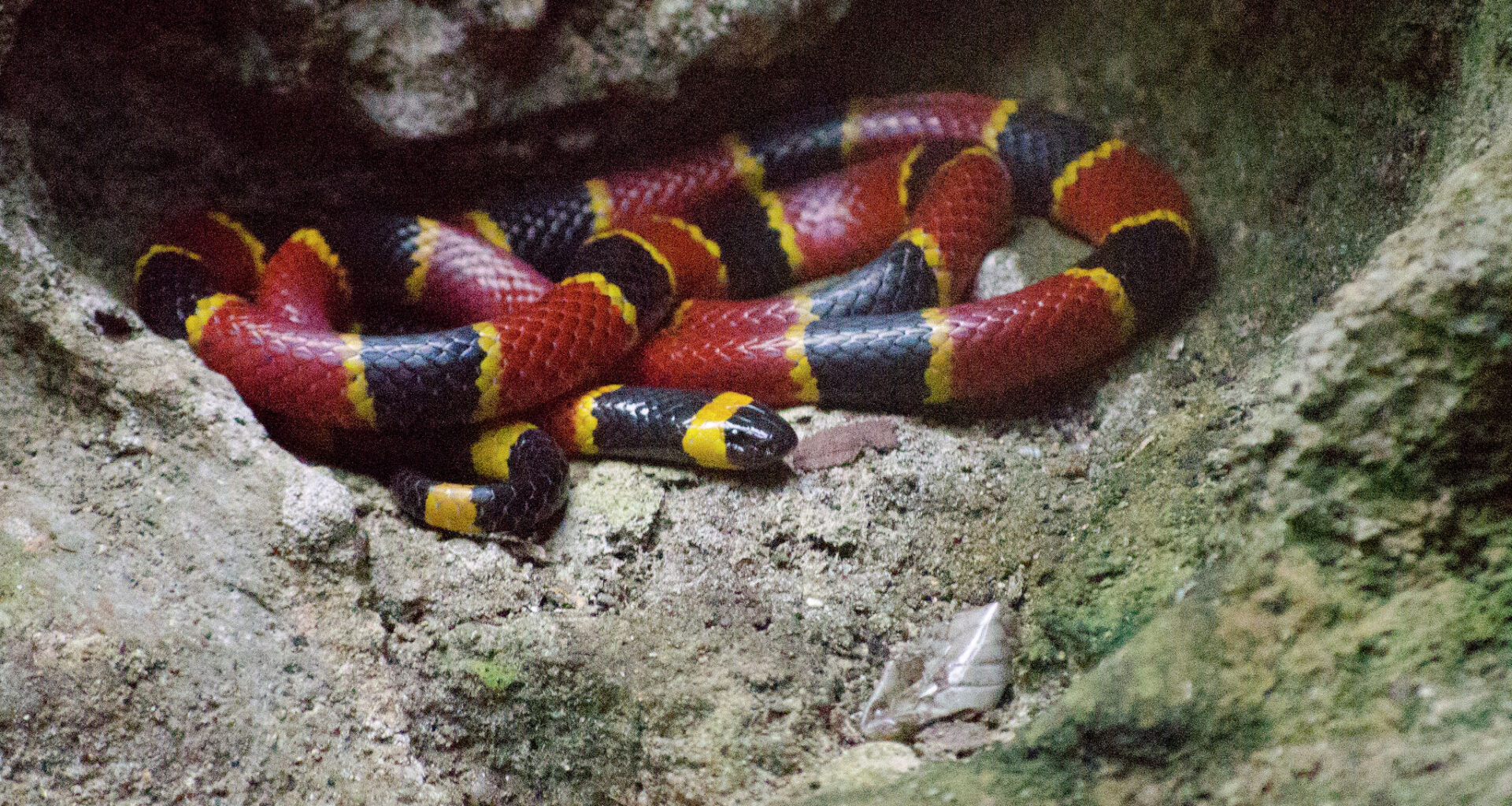
As temperatures warm across Texas, snake sightings are becoming more common — especially around neighborhoods, trails and outdoor spaces where people are spending more time in spring.
hugocorzo/Getty Images
As temperatures rise during spring, more and more people are going outside. You’ll find spring flowers blooming, Texas trees full and the sun beaming. However, you also might encounter something slithering: snakes.

Snakes are cold-blooded, so they have to move to suitable environments to regulate their body temperature, according to the Texas Parks and Wildlife Department (TPWD). The species doesn’t tolerate extreme temperatures well, whether hot or cold, so they often shelter in landscapes that also provide them with cover from predators (hawks, owls, mammals).
Article continues below this ad
They themselves are predators, and they are most active when they are out seeking prey for their meals, such as rodents, insects, birds’ eggs, and young birds.
Why snake sightings are up in Texas this spring
Spring brings flourishing plants, some of which produce fruit, which sustain larger populations of rodents and other prey species. With an increase in rodents and other prey, and as more people spend more time outside and in natural spaces, sightings of snakes can increase at times, as they perform their beneficial services in our neighborhoods, according to TPWD.
Are Texas snakes venomous?
While many people worry about venomous snakes, TPWD emphasizes that most snakes found around homes are harmless, like Texas rat snakes.
Article continues below this ad
The Texas rat snake helps keep rodent populations under control. Despite their reputation, these snakes are not venomous and are considered beneficial to local ecosystems.
However, venomous snakes are found throughout the state. But, TPWD said it is rare for people to be bitten by them.
What to do if you’re bitten by a snake?
However terrifying a venomous snakebite may be, experts say that with prompt medical attention, the chances of survival are better than you might expect.
Article continues below this ad
For all the attention given to venomous snakebite, it is not a major health problem in the United States. Most people are never more than an hour or so away from a hospital, and antivenin treatments are widely available and effective, according to TPWD.
If not treated within an hour, the victim may experience tingling in the face and a metallic taste in the mouth. Nausea, vomiting, chills, blurred vision and thirst may follow, with a drop in blood pressure causing faintness, TPWD warns.
“Thanks to modern medical care, deaths from venomous snakebite are becoming a thing of the past. If you find yourself on the receiving end of a venomous snake’s fangs, seek treatment immediately; failure to do so can result in amputation of the bitten limb and other permanent disabilities,” TPWD added.
TPWD encourages people to find out which hospital is nearest to them that can handle a snake-bite victim in case such an encounter should ever happen. Like a fire drill, you have the reassurance of knowing what to do in case of an emergency.
Article continues below this ad
Officials also recommend knowing how to identify the few most common venomous snakes in your area.
How to reduce snake encounters at home
TPWD says most snake activity around homes is tied to food sources — especially rodents. If snakes are showing up frequently, it may be a sign that the property is attracting mice or rats.
Article continues below this ad
Some key prevention tips include:
Removing clutter or hiding spots where rodents can live
Storing firewood away from the home, since stacked wood can act as shelter for rodents
Keeping grass trimmed and high-traffic areas clean and open
Reducing debris or overgrown landscaping where snakes may hide