
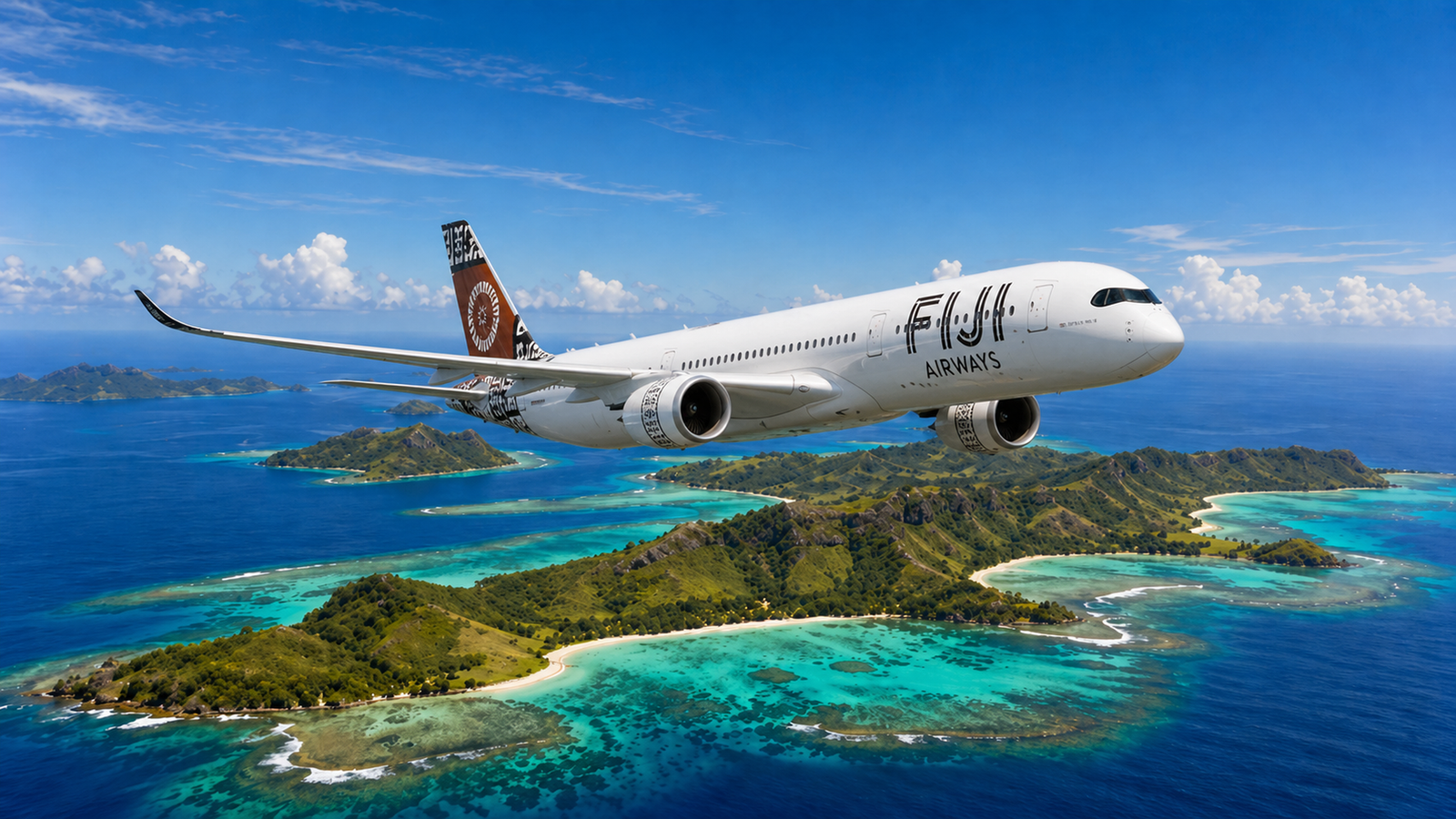
Fiji Airways has made the decision to suspend its nonstop route between Nadi Airport (NAN) and  Dallas/Fort Worth International Airport (DFW), but it’s much more than a routine network adjustment. The service was the airline’s boldest attempt to deepen its reach into the US, using
 American Airlines’ largest hub to pull travelers from across the central, eastern, and southern US onto Fiji Airways’ long-haul network.
However, less than two years after launch, the experiment is coming to an end. Fiji Airways has blamed high fuel prices and shifting demand, but the numbers suggest a broader problem: Dallas/Fort Worth was too long, too thin, and too dependent on connecting traffic that did not materialize at the scale needed to make the route work.
Fiji Airways’ Longest Route Is Being Suspended
Credit: Shutterstock
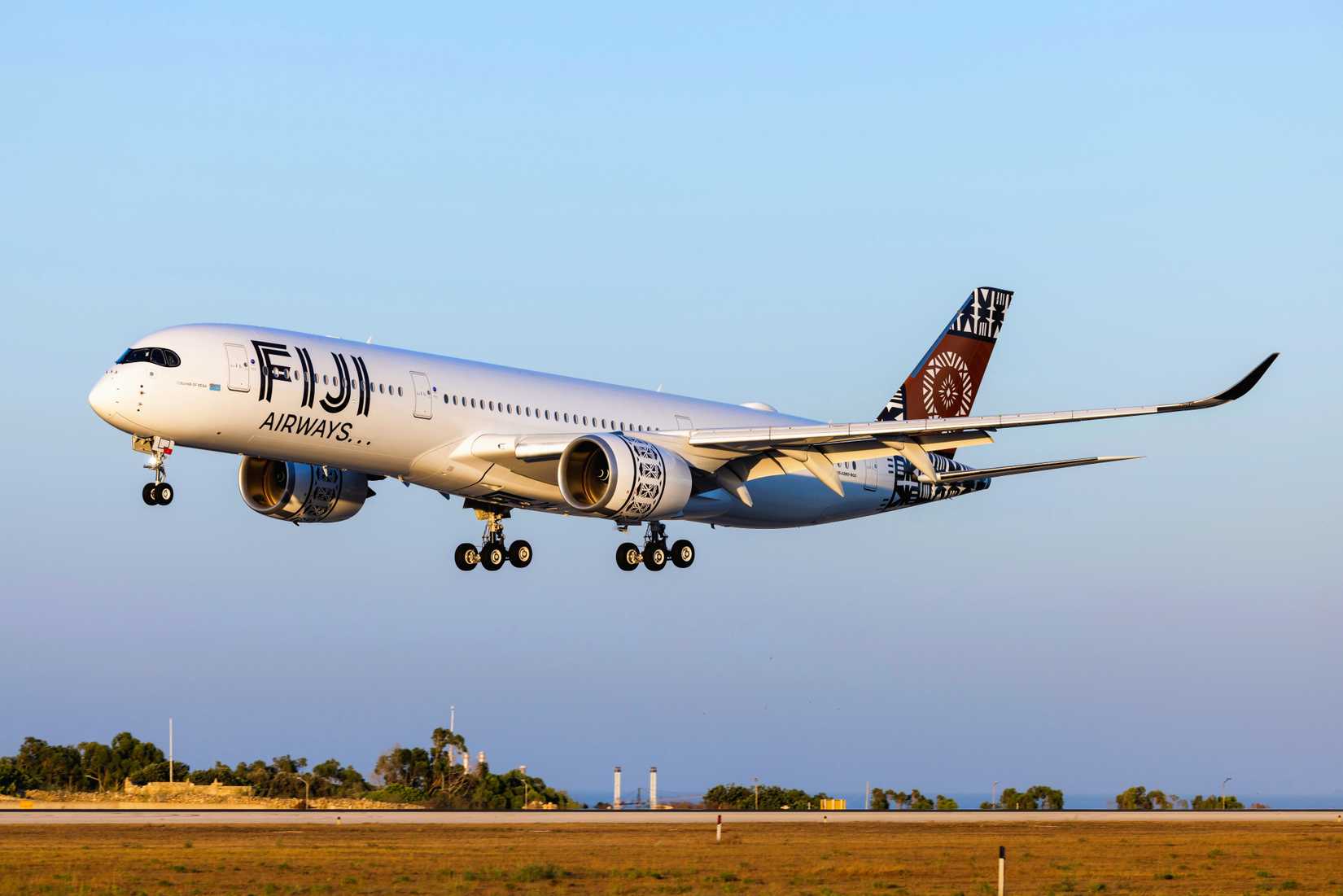
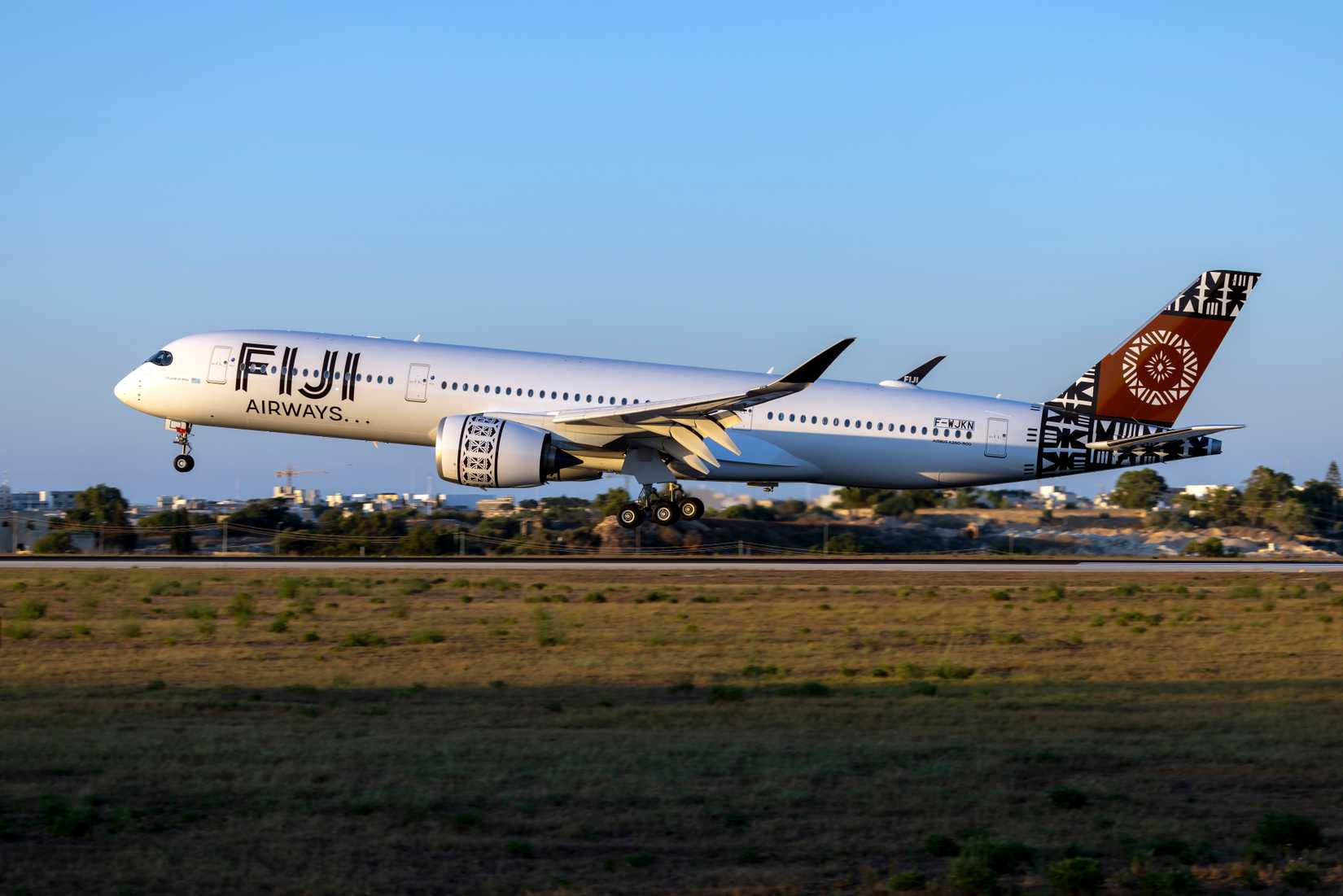
Fiji Airways announced the Dallas/Fort Worth route in 2024, with flights beginning in December of that year. The service was designed as a three-times-weekly link between Nadi and Dallas/Fort Worth, operated by a 334-seat Airbus A350-900 with 33 lie-flat business class seats and 301 economy seats. At 6,625 miles (10,660 km), the route was the longest in Fiji Airways’ network.
The logic behind the route was clear: Fiji Airways had been moving closer to American Airlines, with both carriers members of  oneworld, and Fiji Airways using American’s AAdvantage as its loyalty program. With DFW being American Airlines’ largest hub, the route looked like a way to bring Fiji within one stop of dozens of US cities that were less naturally served via its existing routes to
 Los Angeles International Airport (LAX) or
 San Francisco International Airport (SFO).
That strategy has now been reversed. Paul Scurrah, CEO of Fiji Airways, confirmed the route will be suspended in the Fall.
“Due to the ongoing impact of high jet fuel prices and changes in passenger demand, Fiji Airways will suspend its Nadi–Dallas service, effective September 7. This change allows us to focus on markets where we are seeing the strongest and most sustainable demand.”
The airline has said it will keep serving the US through Los Angeles and San Francisco, with affected Dallas passengers being rerouted through these alternative gateways where possible. Fiji Airways has also said impacted customers are being contacted directly and offered options including rebooking, credit, or refunds where applicable. However, comments from affected passengers on One Mile At A Time suggest the process has not been seamless, with multiple travelers saying they had been rerouted only as far as Los Angeles, without a clear onward Dallas/Fort Worth connection included.
The Route Seriously Underperformed
Credit: Shutterstock
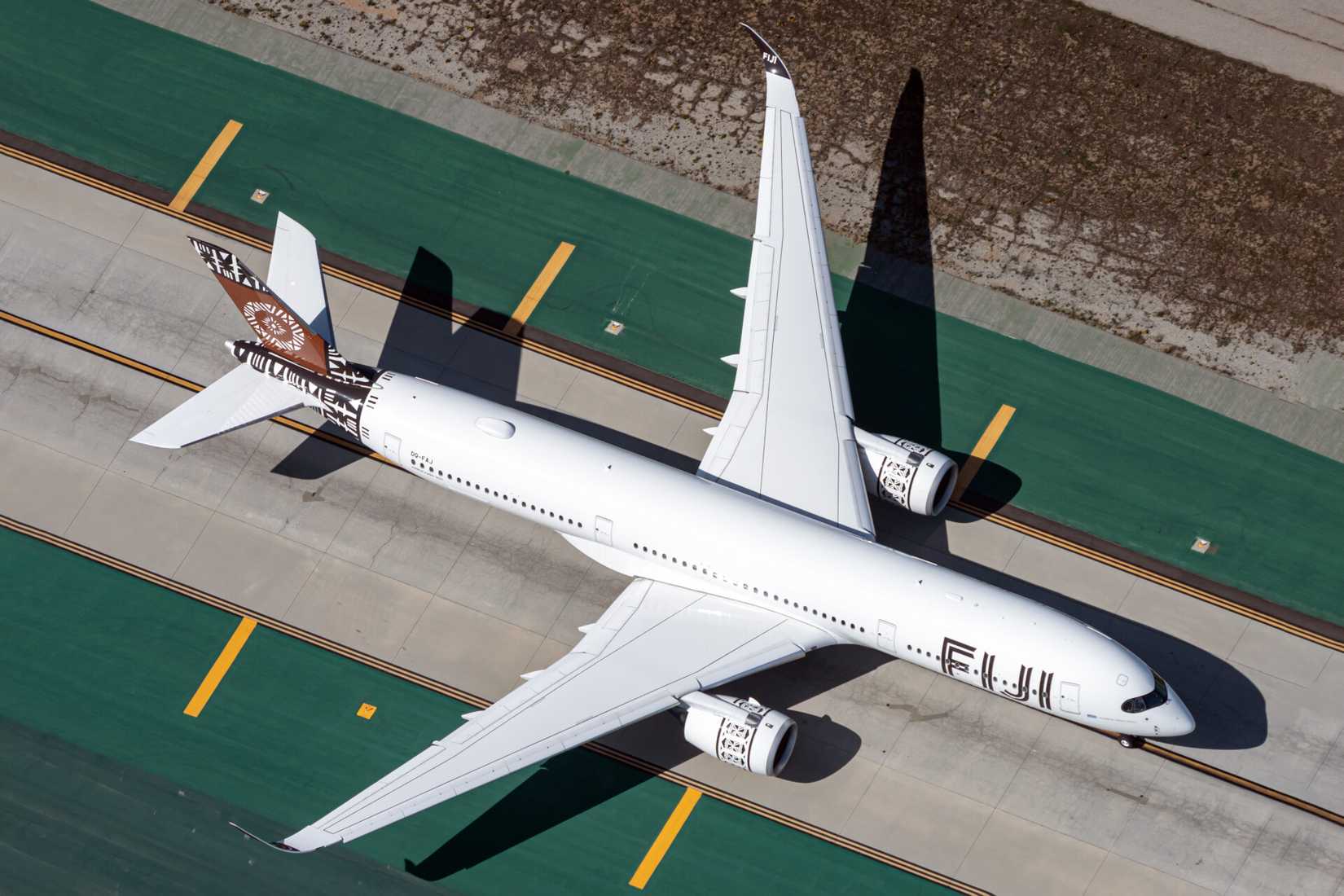
Fuel costs are a credible reason for cutting Dallas/Fort Worth, with aviation fuel costs more than doubling since late February. The route is about 1,000 miles longer than Fiji Airways’ West Coast services, meaning every flight tied up more aircraft time, consumed more fuel, and exposed the airline to greater operating-cost swings. On a leisure-heavy route, that extra distance is hard to monetize unless the airline can consistently fill the aircraft or charge a meaningful fare premium.
The problem is that Dallas/Fort Worth appears to have done neither. The route significantly underperformed Fiji Airways’ other US mainland gateways. Based on the load factor data available for the first year of operation, Dallas/Fort Worth was not just slightly below the other US services; it was the weak outlier.
Destination
Load Factor
Los Angeles
77%
San Francisco
75%
Dallas/Fort Worth
59%
That matters because Fiji Airways’ broader network performance is much stronger, with the airline’s 2025 annual filings reporting average load factors of 76%. That’s not exactly stellar, but it is heading in the right direction, as the airline achieved a strong 15% year-over-year increase in passengers. Against that backdrop, with the NAN-DFW load factors dropping below 40% in the winter months, it is surprising the route wasn’t cut sooner.
Fiji Airways has made clear that this is not a retreat from long-haul flying. Instead, it says the aircraft capacity will be redeployed to markets with stronger and more sustainable demand. The airline plans to upgrade select flights on its route to Vancouver International Airport (YVR) from its 273-seat A330-200 to the larger A350, as well as increase A350 frequencies to  Hong Kong International Airport (HKG).
Related
70 Years & Still Going Strong: A History of Fiji Airways
From humble beginnings to transpacific expansion, what are some of the key milestones throughout the history Fiji Airways?
Was DFW Doomed From The Start?
Credit: Shutterstock
The original case for Dallas/Fort Worth was connectivity. American Airlines’ hub could theoretically feed passengers from nearly 200 destinations across the US into Fiji Airways’ nonstop service to Nadi, creating a powerful alternative to routing through Los Angeles or San Francisco. On paper, that made sense. In practice, the passenger mix suggests that American’s hub feed may have been much weaker than expected.
The routing data for 2025 shows that only 38% of passengers were actually using Dallas/Fort Worth primarily as an American Airlines connecting point. Just 22% connected solely in Dallas/Fort Worth with American, while another 16% connected at both ends of the journey.
That is a problem for a route whose strategic logic depended heavily on American’s connecting machine. It becomes even more challenging if a meaningful share of those passengers were AAdvantage or other oneworld reward redemptions, which may help fill seats but do not necessarily generate the same cash yield as full-fare or package leisure traffic.
Routing
Passengers
Share
Point-to-Point
14,000
19%
Connected in Nadi with Fiji Airways
31,000
42%
Connected in Dallas/Fort Worth with American Airlines
16,000
22%
Connected in Nadi and Dallas/Fort Worth
12,000
16%
In fact, the bigger connecting story appears to have been at the Fiji end. The largest group of passengers connected in Nadi with Fiji Airways, with top onward destinations being  Sydney Kingsford Smith Airport (SYD), Melbourne Airport (MEL) and Brisbane Airport (BNE). That suggests Dallas/Fort Worth was functioning as an alternative one-stop route to Australia for the majority of passengers. However, Fiji Airways and American Airlines can already sell that proposition over Los Angeles, and Los Angeles is a shorter, more established Fiji Airways gateway with stronger local demand.
That leaves the weakest number on the table: only 19% of passengers were true point-to-point travelers between Dallas/Fort Worth and Nadi. For a 6,625-mile A350 route, that is a very thin local base. The route needed either stronger Texas-to-Fiji demand, deeper American Airlines feed, or higher-yield connecting traffic over Nadi. Instead, it appears to have produced sub-par loads, heavy reliance on connections that weren’t working as planned, and a commercial profile that was vulnerable the moment fuel prices moved against it.
With all that said, the Dallas/Fort Worth route was not irrational. It was a bold attempt to add a new route to the US and use alliance connectivity to make a niche leisure market bigger. But the results suggest the route never generated enough hard demand to justify being Fiji Airways’ longest flight. In the end, Fiji Airways did not just cut Dallas/Fort Worth because fuel became expensive. It cut Dallas/Fort Worth because the route did not have enough passengers, enough local demand, or enough high-value American Airlines feed to survive when the economics got tougher.