
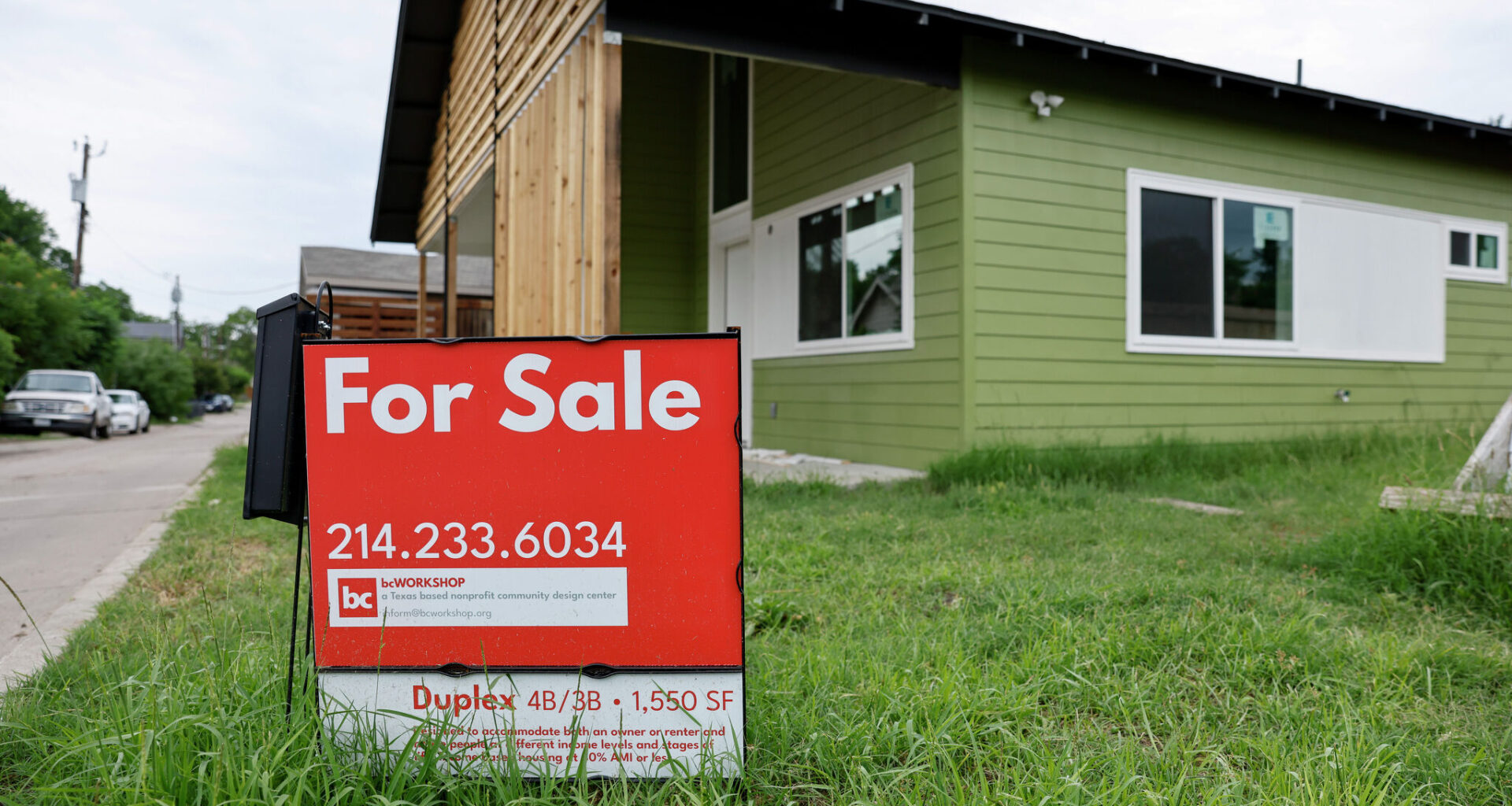
The best housing policy the city of Dallas can embrace is one that reduces bureaucratic barriers as much as possible while still protecting residents’ interests. That’s why the City Council made the right decision last month when it approved a policy allowing low-income housing to continue being built in low-income areas.
That decision reversed a policy proposal city staff had presented that would have attempted to encourage low-income housing development in higher-income neighborhoods, our newsroom reported.
The motivation behind this sort of policy intended to drive economic diversity in communities is a good one. But this was not a realistic way to get to that outcome.
It’s important to remember that affordable housing usually requires subsidies — often in the form of tax incentives and credits. Development tends to cost more in higher-income areas that command higher land prices. It’s hard to imagine these subsidy strategies could be successful or sustainable in more affluent areas.
The city should instead allow affordable and low-income housing developments to go wherever a free and open market is best suited to supporting it. That means fewer restrictions and less bureaucracy, not unnecessary rules that will give developers even more incentive to take their money and invest it elsewhere.
It’s especially critical right now that the council gets its strategy right. Dallas is facing a mismatch between supply and demand for affordable housing.
The city is short 46,000 units for low-income renters, this newspaper reported, and there are only 28 units available per 100 extremely low-income households. Almost all low-income renters spend more than 30% of their income on housing. This situation places the heaviest cost burden on those who can least afford to bear it.
We shouldn’t pretend that anything Dallas does as a city is going to shift the much larger market forces that affect how much housing is built and where. Our newsroom recently offered readers a detailed look at the complicated story of how we got to where we are today.
None of that means the city shouldn’t try to help solve problems wherever it can, instead of creating them. Local policy won’t change wider markets, but whatever localized impact is achievable is worth it.
Affordable housing has been a driving force behind North Texas’ decades-long growth spurt, but rising rents and home values have dulled the luster on the state’s enticingly low cost of living.
We’re not yet as terribly unaffordable as some of the major coastal cities. But if we want to avoid getting to that point, we need to get rid of unnecessary barriers to housing development.
Have thoughts about this? Send a letter to the editor using our letters form or email letters@dallasnews.com. Letters should be no more than 200 words and include the first and last name of the writer and city of residence.