
Everything is bigger in Texas, including our debt.
The Lone Star State has the 10th-highest debt burden in the U.S., according to a new analysis by ConsumerAffairs. The analysis ranks states (plus Washington, D.C.) by scoring each state out of 50 on two factors — debt-to-income ratio and serious delinquency rates — and adding them together. The delinquency score looks at the percentage of debt more than 90 days past due across mortgages, auto loans, credit cards and student loans, with mortgage delinquency weighted the highest, accounting for 50% of the score, auto loans and credit cards each accounting for 20% and student loans accounting for 10%.
Texas had a debt-to-income ratio of 144.2%, based on a total debt balance per capita of $60,020 to $41,614 in income per capita. Texas also had high rates of loan delinquency, including the third-highest credit card delinquency rate at 14.2%.
Utah topped the list with the highest debt burden score, thanks to a debt-to-income ratio just shy of 200%, despite low rates of delinquency. Except California, where high incomes collide with a high cost of living, all the top 10 states have incomes per capita smaller than the national mark. In general, the South and West had higher debt burdens than the Midwest and Northeast. Wisconsin was ranked as the least debt-burdened state, followed by Vermont, Nebraska and New Hampshire. However, all states have greater debts per capita than incomes per capita.
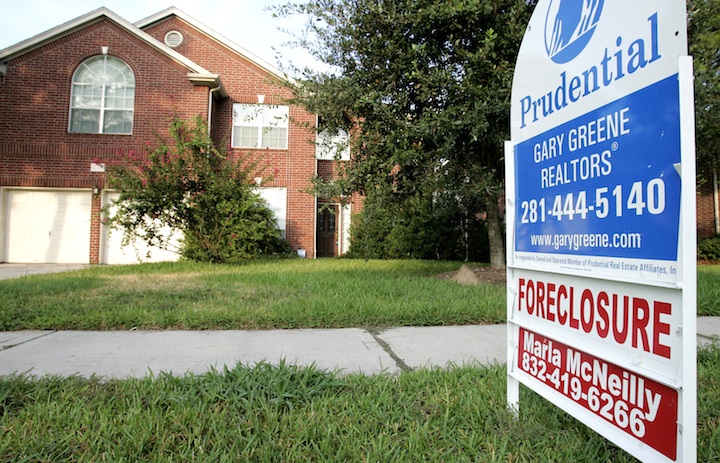
The analysis pointed out that low income taxes, or no state income tax such as in Texas and Florida, does not always ease debt. High property taxes and a high insurance burden can contribute to residents being unable to keep up with their mortgages. Texas had the seventh-highest rate of mortgage delinquency.
“Homeownership costs, including property taxes, insurance and utilities, have risen 45% on average since 2019, well above inflation,” Selma Hepp, chief economist at real estate data and analytics firm Cotality, told ConsumerAffairs. “Nearly 10% of all borrowers now have tax and insurance costs that exceed their actual principal and interest payments.”
“Many borrowers have tuned out or taken a wait-and-see approach to repayment,” Jeni Burckart, vice president of health care and workforce services at Tuition.io, a provider of student loan repayment and education benefits for employers, told ConsumerAffairs. “If these borrowers don’t act, it is quite possible that the Department of Education will push them to the standard repayment plan, and they will be unable to afford the high monthly payments.”