
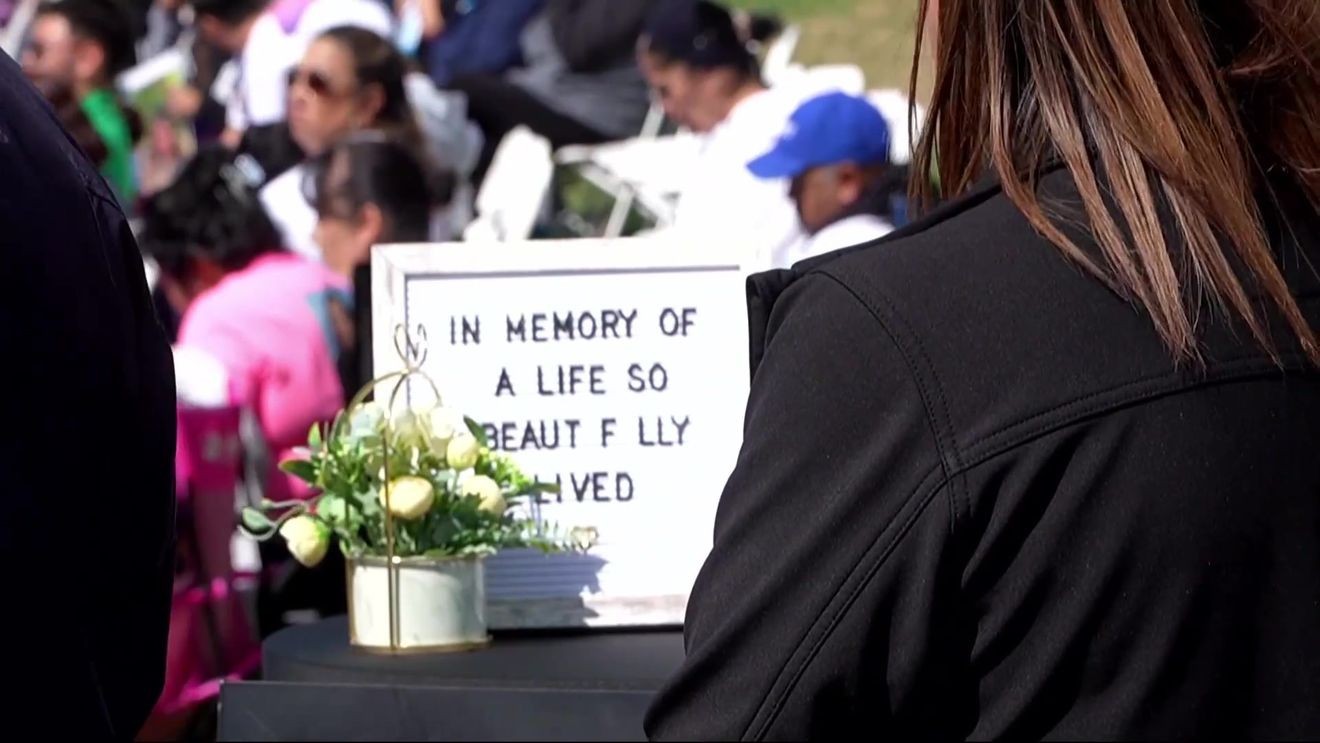
EL PASO, Texas (KFOX14/CBS4) — For families across El Paso, the devastation of a DWI crash doesn’t end at the scene. It follows them home, into birthdays that never feel the same, and into courtrooms where they wait for accountability — all while pushing leaders to make sure no one else joins their ranks.
In the past month, ARC El Paso has spoken with families who have lost loved ones in DWI crashes. They gathered to honor those they’ve lost, share their grief and demand tougher laws they believe could save lives.
“Nothing is ever gonna compare, nothing will take that away, nothing will take away hearing my mom and dad cry every day, hearing, you know, just random times we can’t ever feel happiness again,” Ilene Rodriguez said.
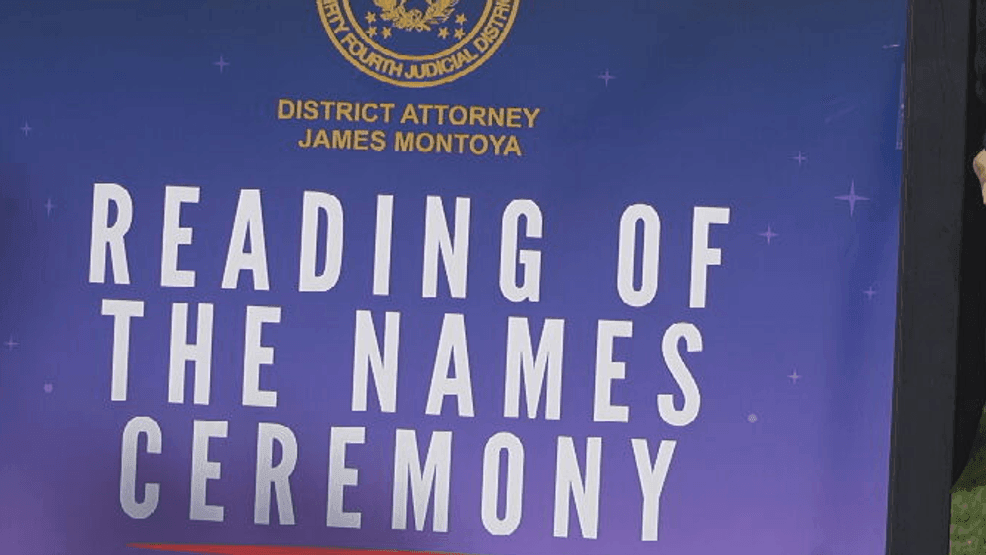
In April, families gathered at Ralph T. Cloud Park for the Reading of the Names ceremony hosted by the El Paso District Attorney’s Office, where the names of those lost in El Paso to violent crimes were read.
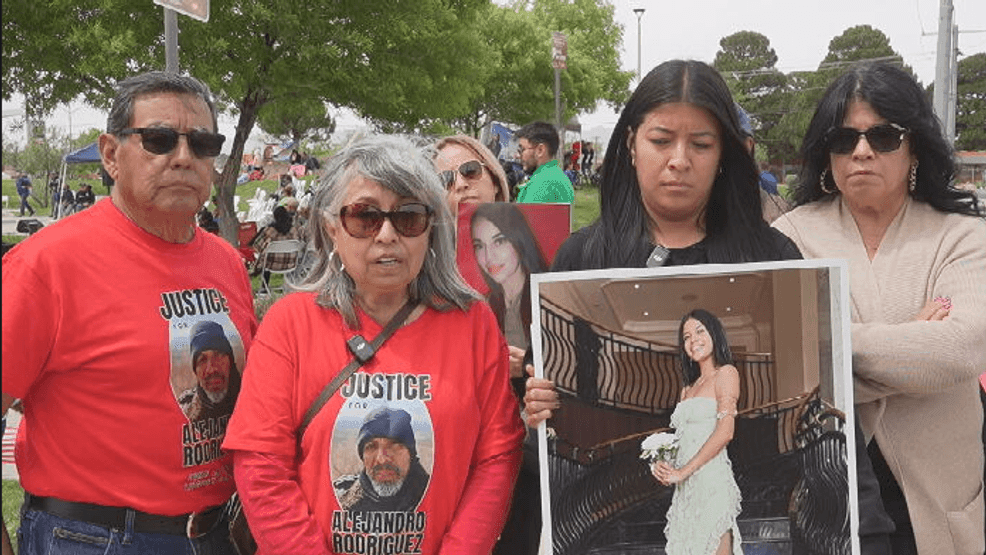
Griselda Rodriguez said her son, Alejandro, was killed last Labor Day weekend. She described the timeline of the morning he died.
“He was driving to work. He was working at the airport. He left home at 2:20. At 2:28 in the morning, he was dead. ‘Cause this 20-year-old drunk driver killed him,” Rodriguez said.
Rodriguez said her family is still waiting for justice.
“He lay there for eight, nine hours. In the middle of the freeway. She just went home. They didn’t even arrest her,” she said.
Rodriguez said her family is worried about what kind of punishment the driver could face.
“But well, yeah, we just wanna justice for him because the DA said that maybe she, because she’s young, she may not gonna get a lot of years. Maybe she gets probation,” she said.
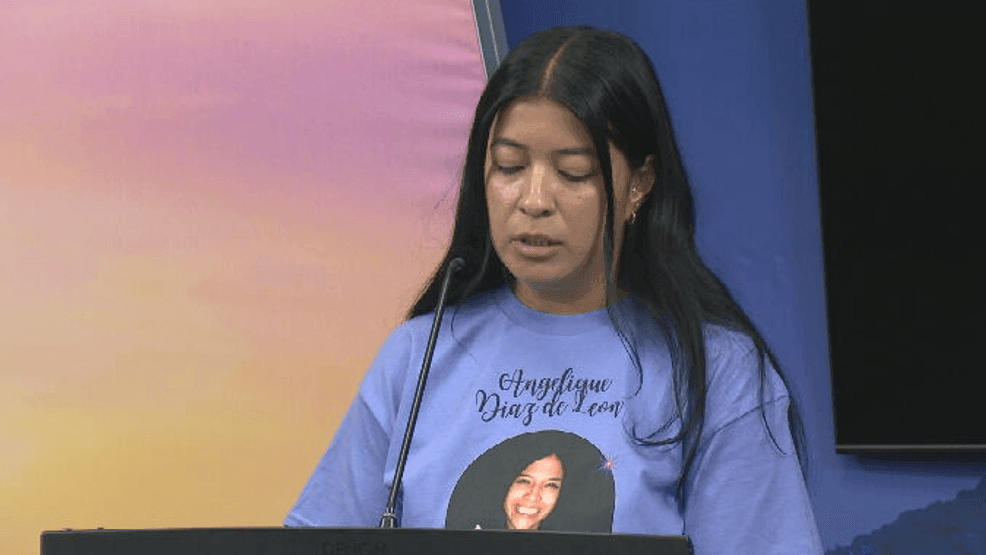
Other families said their loss is still raw. Angelique Diaz De Leon was 18 years old, and her family said they recently celebrated her 19th birthday without her.
“When there’s all these families here now, and we’re seeing all this happen, I’m just wondering who’s gonna stand up for us?” Ilene Rodriguez, Angelique’s sister, said.
Ilene also remembered the everyday moments she misses most.
“I have too many memories with her, but I think the most simple ones are the ones that I miss all the time. Just laying down next to her in her bed, watching TikTok, going to Marshall’s, going to go get food. She’s my little sister, my best friend,” she said.
Rebeca Gomes, whose son was killed, said families are left living with consequences they never chose.
“My son didn’t have any choice. It was a decision somebody else made for us,” Gomes said.
That grief has turned into action. 3 women who lost their loved ones founded The Sober Streets Movement in 2023. Co-founder Lupe Hernandez said it is pushing for change because so many families continue to be impacted. Days after the ceremony, families met with city leaders, state lawmakers, and law enforcement to share their stories and discuss tougher DWI enforcement and penalties.
“We addressed our city leaders and our state leaders, trying to change our laws here in El Paso and our community, trying to address that our laws need to change because so many families are being impacted to young children, to grown adults,” said Lupe Hernandez Lucero, co-founder of Sober Streets.
Families said current penalties don’t match the lifelong damage left behind. Gabriela Cerda, the mother of Eduardo Adrián Muñoz, said the legal process has not brought peace.
“It’s like, I think that the current laws don’t reflect the consequences or the impact that these cases have in the families, not in my family. I’m still on a trial and I don’t think I’m going to get justice for my son, you know,” Cerda said.
Even when offenders receive long sentences, families said the punishment doesn’t restore what was taken. Gomez said the person convicted in her son’s case received decades behind bars.
“They gave him 70 years and it’s not only about that,” she said.
“And even though he was sentenced for that long, it’s not fair for the rest, for my kids. And we’re always going to be suffering if the laws are not improved,” Gomez said.
For many families, the mission is bigger than their own tragedy — it’s about preventing the next one.
“We need to, our community come together and say no more. No more victims, enough is enough,” Hernandez Lucero said.
She also urged anyone considering driving after drinking to make another plan.
“And try to share to our community is that if you plan to drink and drive, please get an Uber, a taxi, call a friend, or stay where you’re at,” she said.
As families press for change, lawmakers and prosecutors say tougher DWI laws are being discussed — but they also acknowledge the complexity of passing and enforcing them.
State Rep. Vince Perez said one option Texas could consider is requiring ignition interlock devices after a first offense, as some other states do.
“After a first-time offense, there are some states, California and Minnesota, that put in vehicle interlocks, breathing machines into the vehicles after the first offense, you know, that’s something that can certainly be looked at here,” Perez said.
Perez said another possible change is lowering the legal blood alcohol content threshold.
“You know, lowering the blood alcohol content is another thing that could possibly be done,” he said.
El Paso District Attorney James Montoya said he believes there is room for legislative action.
“I do think there is room for legislative change and for our laws to get tougher,” Montoya said.
Officials said proposed changes — including expanding ignition interlock requirements — come with logistical hurdles such as installation, enforcement and ensuring local courts have enough resources. Perez said passing a law is only part of the challenge.
“But, you know, I think that’s just one of the practical challenges, is just making sure, you know, it’s one thing to pass a law, it’s another thing to ensure that it is carefully enforced,” Perez said. “You know, judges right now, you know, have discretion, you know, as to when an interlock system can be put in.”
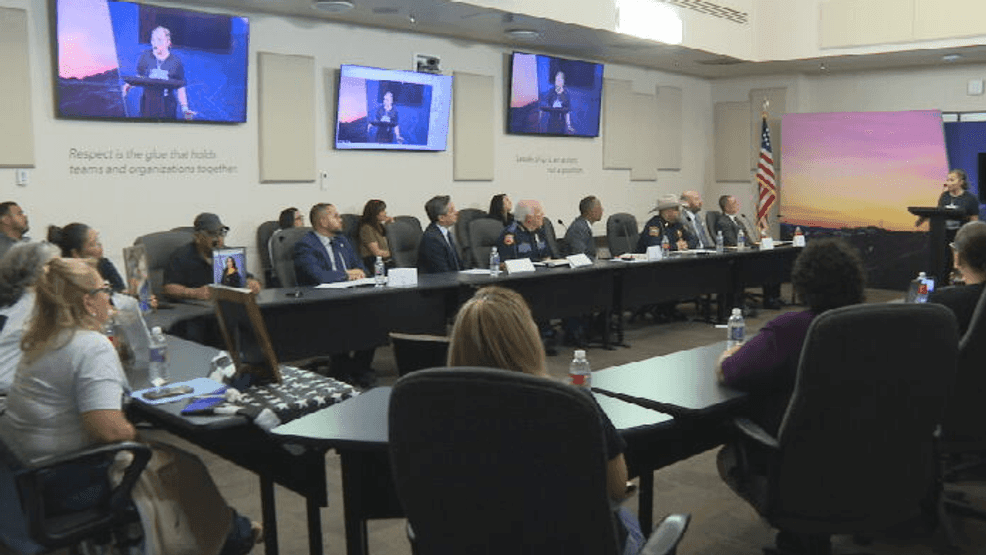
State Sen. Cesar Blanco said lawmakers are trying to weigh multiple priorities as they consider potential changes, in a statement, Blanco says:
“finding the right balance between deterrence, effective enforcement, and addressing the root causes of repeat offenses, such as substance use disorders.” Blanco said lawmakers plan to continue researching best practices and working with law enforcement, advocates and behavioral health experts before filing future legislation.
Locally, Ivan Nino said he and Mayor Renard Johnson are working to develop a community-wide strategy focused on prevention, safety and stronger advocacy at the state level.
On the national level – Mothers Against Drunk Driving, was founded more than 40 years ago after a mother lost her child in a crash involving a drunk driver, continues its work through advocacy and support for victims’ families. MADD Ambassador Sheila Lockwood said her own life was changed by a drunk driving crash.
“My son Austin was murdered by a drunk driver. Since that time, our lives were absolutely shattered. Everything that we had ever hoped and dreamed, every plan that we ever had, revolved around all of my children,” Lockwood said.
Lockwood said MADD helped her channel grief into prevention and support for others.
“Mothers Against Drunk Driving has helped me put my pain into a passion and try to prevent this from happening to any other family. It’s also helped me help others who have experienced this tragedy,” she said.
She said drunk driving affects every community.
“It doesn’t matter how much money you make, it doesn’t matter what color you are, drunk driving isn’t prejudice, it takes victims of every race, every age. Unfortunately, we can’t predict who is going to be a victim,” Lockwood said.
Lockwood said crashes don’t only happen at night.
“It’s not just you know after dark. We’ve had families taken at 10 o’clock in the morning, at 7 o’clock morning entire families taken Away,” she said.
Lockwood urged people to plan ahead before drinking.
“It just takes one time of drinking and driving It just takes one time and it’s very important to understand that If you’re going to go out and if you want to drink that’s fine But as you’re planning to go out plan a safe ride home,” she said.
She also warned against letting someone drive after drinking — or getting in the car with them.
“Do not let them drive if you can help it and definitely do not get in the vehicle with them,” Lockwood said.
Lockwood said even a short drive can be deadly.
“Oh, I’ve only got a short distance to drive. My son was murdered at less than a mile from where he was supposed to be so,” she said.
And while families continue to fight for stronger laws, they also say no sentence can undo what happened.
“Well, no matter what the law is It doesn’t take away the crime, so even if the person that murdered my son would still be in prison,” Lockwood said.
Still, she said, prevention tools matter.
“We are preventing it from happening in the first place, and I would give anything to have had this technology on that vehicle and my son still be here,” Lockwood said.
For families like Rodriguez’s, the loss remains personal and permanent.
“Yeah, he was a good person. He doesn’t deserve to die,” Rodriguez said.
Rodriguez put it bluntly: “Yeah, our laws are destroyed, we are incomplete now.”
READ MORE: El Paso County Sheriff’s Office launches online survey on DWI enforcement, response times
READ MORE: El Paso leaders meet with families, advocates to push tougher DWI enforcement, penalties
Sign up to receive the top interesting stories from in and around our community once daily in your inbox.