
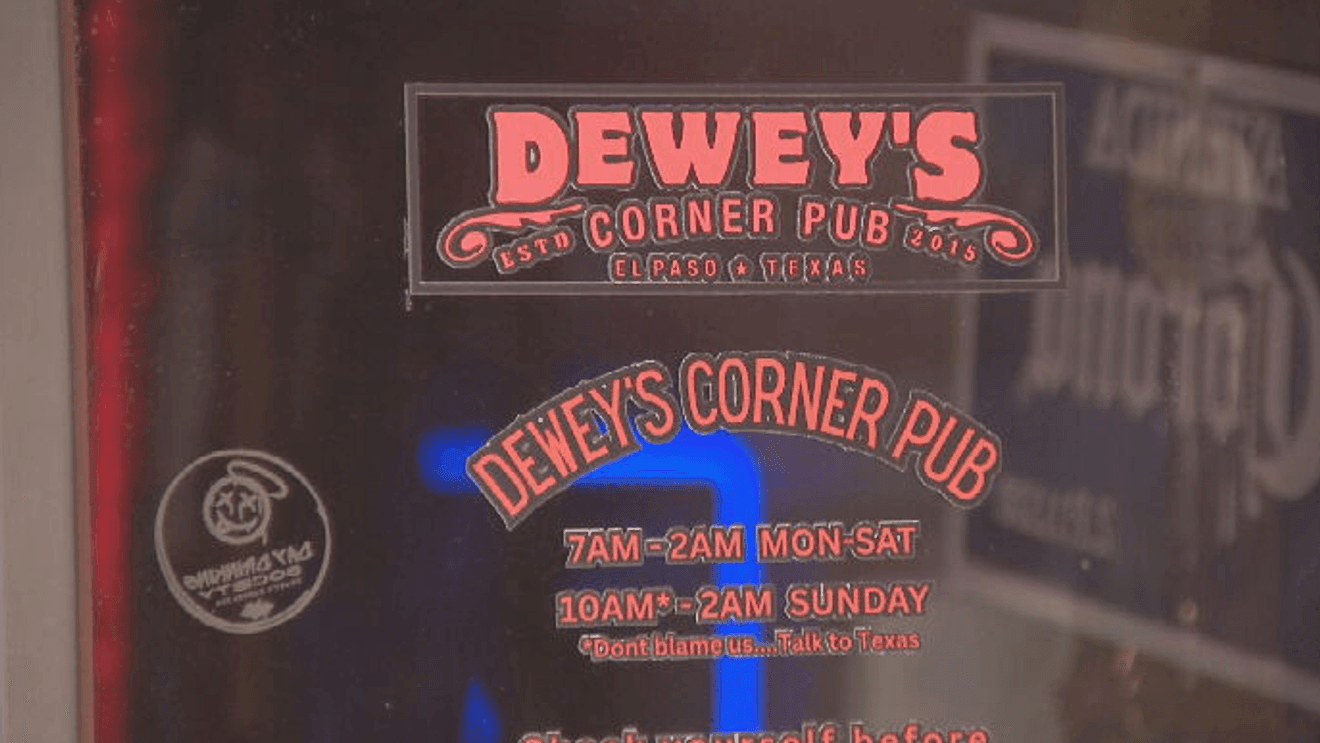
EL PASO, Texas (KFOX14/CBS4) — EL PASO, Texas (KFOX14/CBS4) — Preventing alcohol-related tragedies in Texas takes more than just law enforcement after the fact — it requires coordination between state regulators and the bars serving customers every day, officials and business owners say.
“It comes down to accountability at the end of the day because the bars are doing their parts,” said Rico Velez, owner of Dewey’s Corner Pub.
In Texas, oversight of alcohol service starts with the Texas Alcoholic Beverage Commission, the state agency that regulates the alcohol industry. TABC handles licensing and enforcement and conducts inspections, undercover operations and investigations, particularly in cases involving minors or DWI crashes. When a serious crash happens, TABC can work alongside local law enforcement to determine where a person was served and whether laws were broken.
Chris Porter of TABC said the agency views retailers as a key part of preventing deadly outcomes.
 TABC looks at retailers really as the first line of defense when it comes to preventing alcohol related fatalities,” Porter said. “And so what we want to make sure that they know is that retailers Permit ease managers owners are able to empower their staff to obtain the knowledge they need excuse me To prevent any type of sale that could lead to possible loss of life.
At Dewey’s Corner Pub, Velez said staff check every customer by scanning and verifying IDs and using UV lights to spot fakes. Employees are also trained to look for signs of intoxication — including slurred speech, red eyes or loss of balance — before serving a first drink.
“After that, they kind of get a visual of the patron just to make sure that they’re not impaired or they have the red eyes and not slurring, and if they feel like they can take an order then they serve them their first drink,” Velez said.
That training is required. Bartenders must be TABC-certified, learning how to spot intoxication, understand liability and know when to cut someone off. Once service begins, Velez said, the focus shifts to controlling how much alcohol is served. Drinks are measured rather than free-poured, and staff monitor how much customers are ordering, especially in groups.
“Make sure that they’re using a jigger, we do use a jigger, which pretty much has an ounce and a quarter on each side, so we definitely don’t over serve, it’s per drink. We monitor the amount of drinks that they get per hour,” Velez said.
When someone appears to have had too much, Velez said staff step in and try to prevent the person from driving.
“So at Dewey’s, we recognize it, politely tell them, give them a handshake, offer them an Uber ride, some of them accept some of them don’t, and they always come back,” he said.
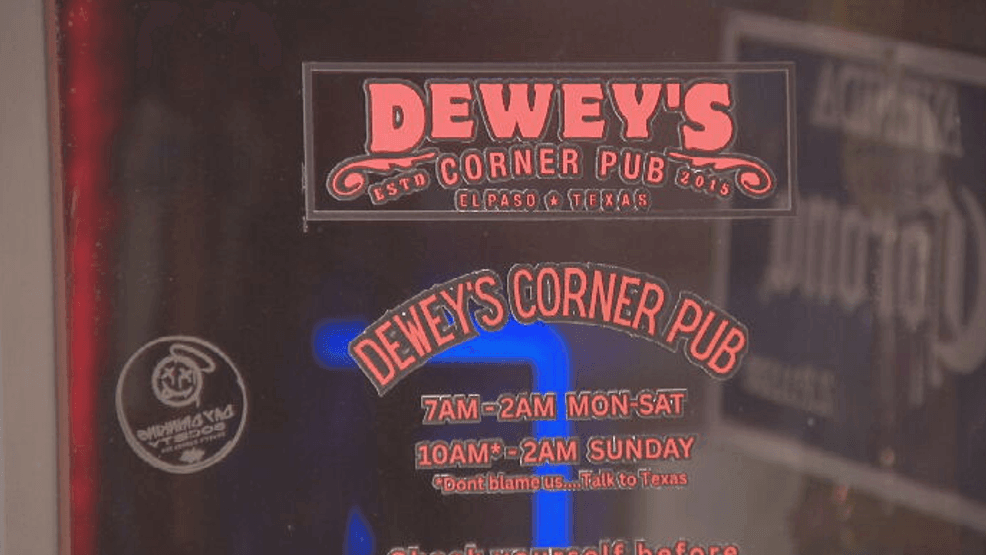
Dewey’s Corner Pub is located in South Central El Paso.png
In an entertainment district in south-central El Paso, Velez said bar owners acknowledge there are limits to what a business can control once a customer leaves.
“You know, the bars are following exactly the codes. They’re making sure they’re not over-serving. They’re doing the best they can,” Velez said.
TABC’s role continues through regular inspections aimed at identifying violations such as over-serving or selling to minors. The agency also uses complaints, police reports and news coverage to help initiate investigations.
“It really depends on the nature of the violation,” Porter said. “We have some cases where a TBC may receive a complaint We reach out to the business and conduct an inspection and we identify that complaint and then of course they’re also long-term investigations where there may be a criminal element Attached to the case in which case TBC work with local law enforcement And of course that’s gonna also impact the the length of time it takes to resolve the case.”
For the public, TABC records are available online, allowing anyone to look up a bar’s history and see whether it has been fined, suspended or had its permit revoked.
Ultimately, officials say preventing alcohol-related deaths is a shared responsibility among regulators, business owners and customers — because while bars and enforcement can do their part, the final decision happens when someone gets behind the wheel.
RECOMMENDED: County Attorney secures court order to keep ‘Dirty Laundry’ Bar closed over safety concern
RECOMMENDED: Hope and Anchor issues statement after 19-year-old arrested in deadly hit-and-run crash
Sign up to receive the top interesting stories from in and around our community once daily in your inbox.