
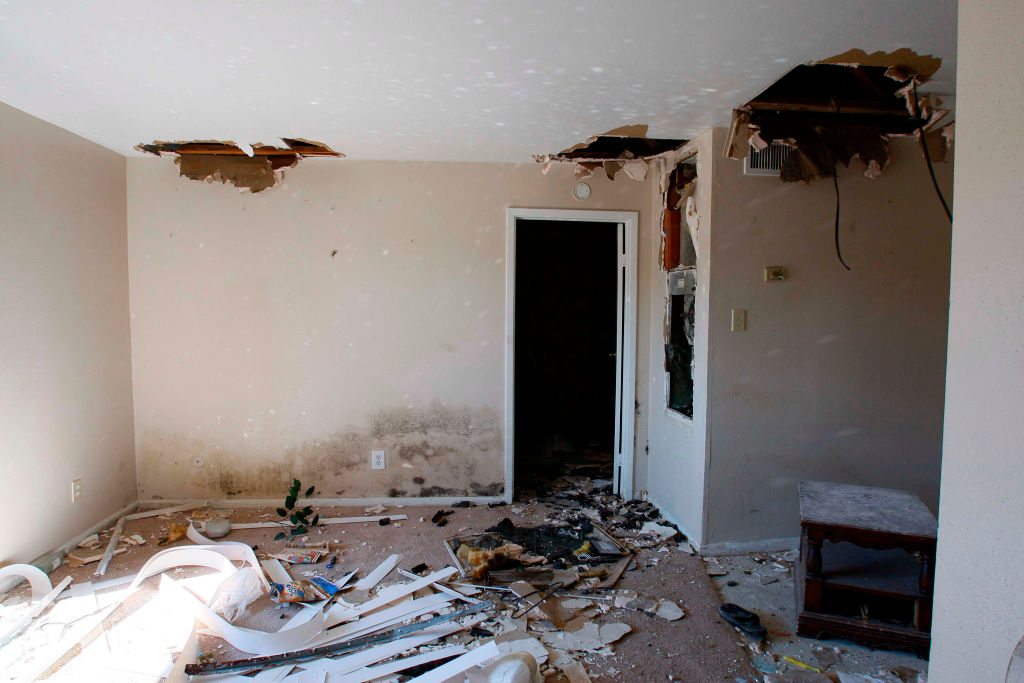
The ordinance would establish a High-Risk Apartment Inspection Program, a regulatory program designed to identify, inspect and enforce compliance at multi-family rental buildings that meet specific criteria for repeated violations.
Council Member Tiffany Thomas’ office says the ordinance is not new but been in development for several months after being delayed last year.
“The item was returned to the Administration—specifically the Economic Development and Housing and Affordability Committees—to allow for broader community engagement after limited outreach in the initial process,” Thomas’ office told Chron in a statement.
Two district-wide meetings and feedback from “leaseholders, property owners and managers, and community stakeholder groups” were used to revise the ordinance before it was brought back for a vote.
“Council Member Thomas has remained committed to getting this right for Houstonians by truly listening to their concerns, noting that delays in establishing needed restrictions only prolong the impact on residents’ quality of life,” the statement continued. “She is looking forward to seeing this across the finish line [Wednesday], confident that the ordinance reflects residents’ voices and the input collected through this extensive engagement.”
Under the ordinance, an apartment building could be designated high risk if it receives 10 or more citations in a six-month period for certain violations. Those infractions include repeated or uncorrected structural issues, unsafe or hazardous conditions, fire safety violations, sanitation or plumbing problems, electrical hazards, failure to maintain exits or emergency lighting, or failure to correct violations on time.
Once designated high-risk, the property would have to register in an inspection program. A building official would conduct an initial inspection within 30 days of registration and provide a written accounting of all identified code violations within 20 days of the inspection.
The ordinance also calls for follow-up inspections, with at least one follow-up inspection possible within 30 days of the initial inspection. Additional inspections could be scheduled as needed.
Owners or managers who fail to comply could face misdemeanor penalties of $250 to $2,000. Each violation, and each day a violation continues, could count as a separate offense.
The proposal also creates procedures for appeals, ownership transfers, repeat offenders, tenant advocacy and landlord training. For as long as a property remains in the program, the city would make the business name and physical address publicly available through the city secretary’s office and a city website.
If approved, the ordinance would change how the city identifies and monitors apartment complexes with repeated safety issues.