
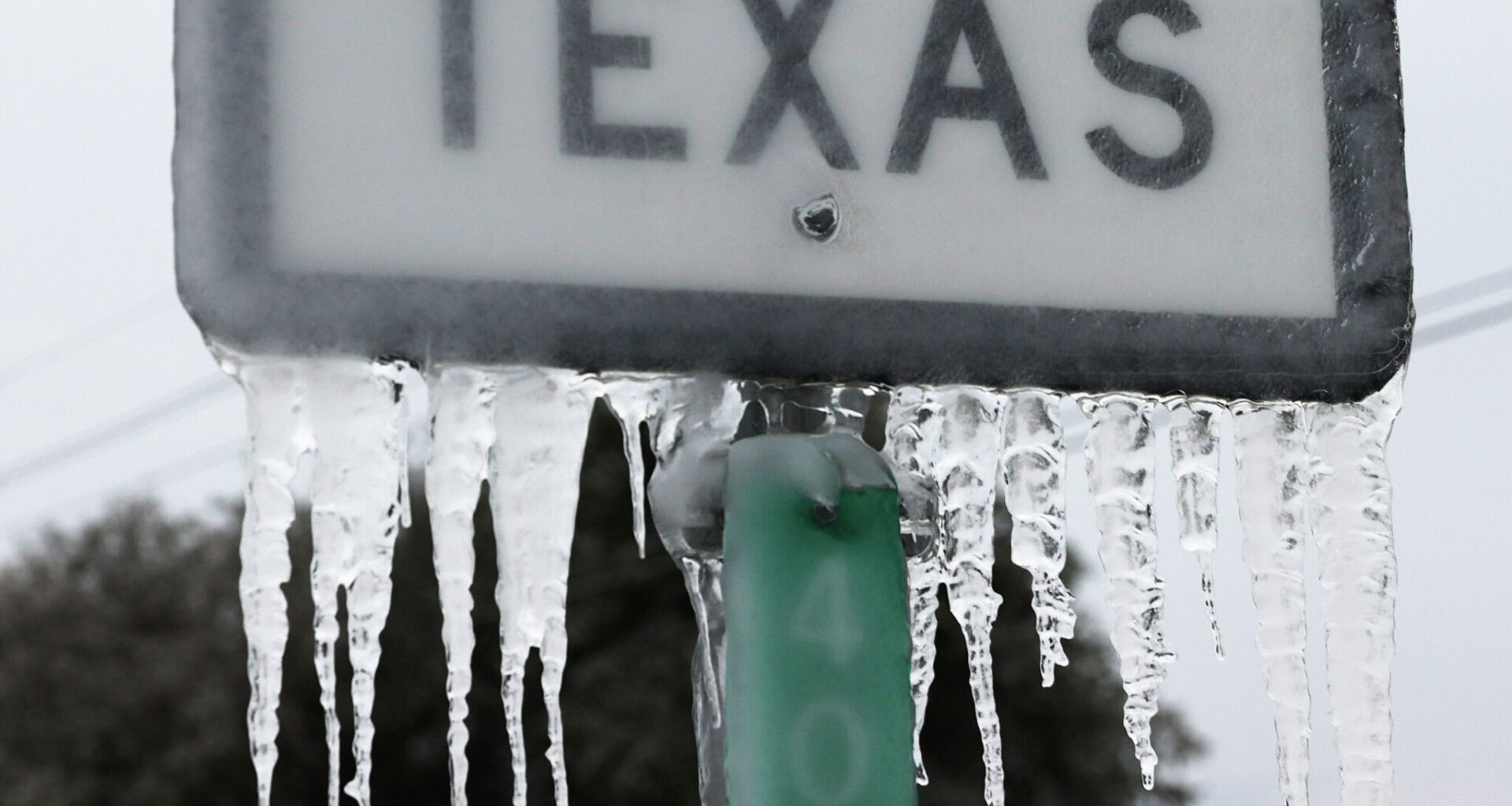
For about a month, there have been signs a record-breaking El Niño could be developing. A meteorologist now says the latest models are increasing the odds of a super El Niño event, increasing the chance Texas will see a wetter and colder winter.
In a nutshell, an El Niño means a cooler and wetter fall and winter season for Texas as warmer ocean waters impacts atmospheric conditions. Meteorologists and climatologists have been sounding the alarm since early April, warning of a very strong El Niño beginning in late spring and lasting through the end of the year.
Now, News 4 San Antonio Chief Meteorologist Chris Suchan says the latest models he’s run show Pacific waters climbing well over 3 degrees Celsius above average. An El Niño is triggered when those temps are 2 degrees warmer than average, in Celsius.
“Brand news Euro Nino Plumes continues pumping out one of the strong El Niño episodes going back more than a hundred years,” Suchan said in a post online. “This would easily be super El Niño per this forecast data.”
Other forecasters say this could be the strongest El Niño in recorded history, which could have big impacts on Texas weather as the cooler months approach. During an El Niño season, the southern jet stream strengthens, says the National Weather Service. This often means more precipitation for Texans.
An El Niño also often means snowier than normal winters for the Texas Panhandle.
“In general, El Niño conditions lead to wetter, snowier conditions in Amarillo and cooler maximum temperatures during the winter,” an NWS explainer on the oceanic phenomenon states.
While Texas could certainly use some more rain after prolonged periods of drought, it’s unclear whether a strong El Niño could be the lonesome Hail Mary needed to fix evaporating creeks and lakes.
The Southwest and Southern Plains have been deemed under drought conditions for almost six years, meaning it’s going to take a lot of rain that actually seeps into aquifers to reverse the lasting impacts. What’s often not realized is that quick rounds of heavy rainfall are not enough to replenish these underground, or above ground, water sources due to runoff – soaked soil stops absorbing as much water which feeds aquifers.
“One good year of won’t eliminate 6 years of water deficit unless it’s exceptionally wet, like in 1957-58,” the National Integrated Drought Information System warns. “Those years also saw historic floods that led to fatalities and devastating destruction.”