
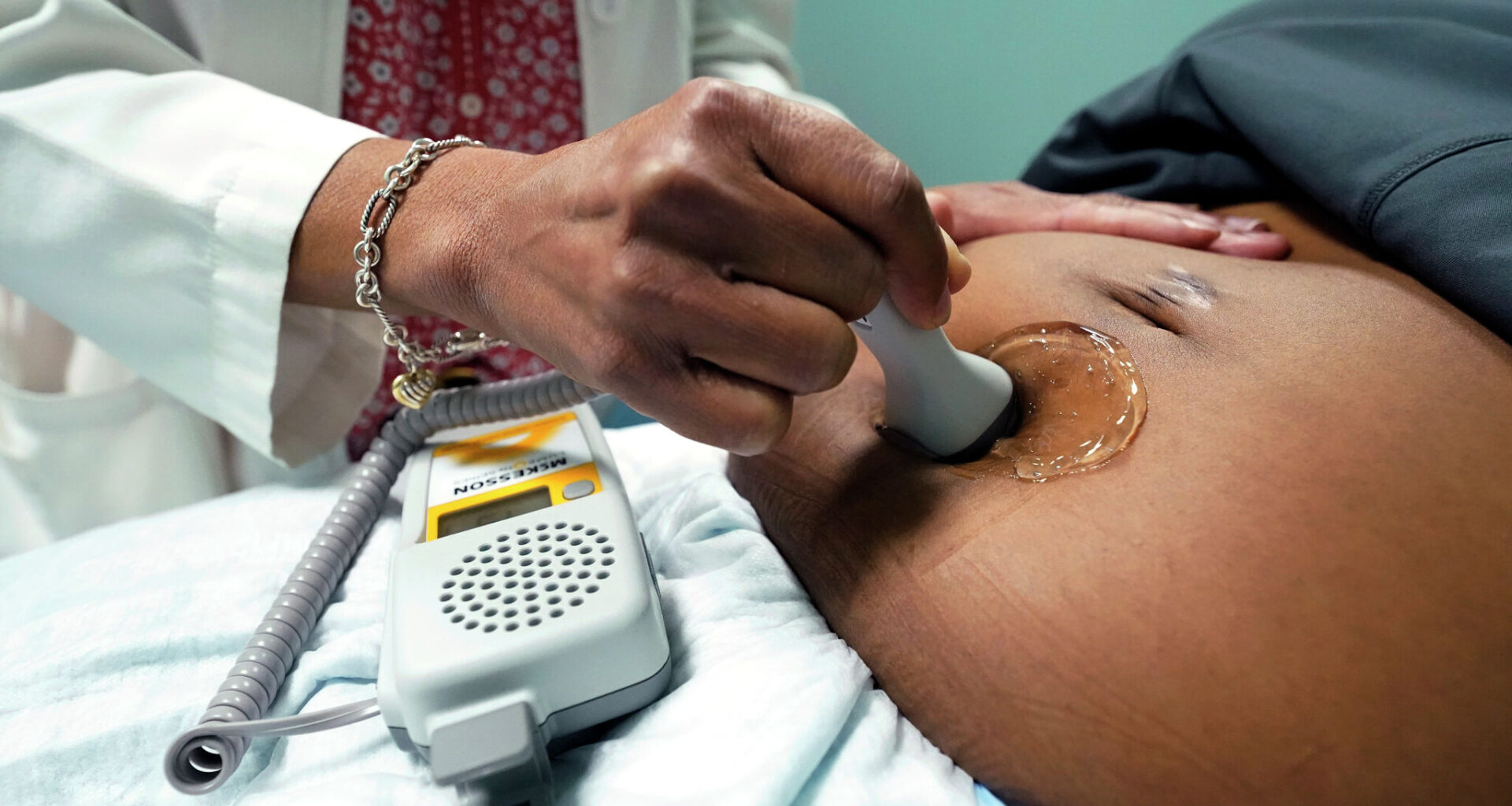
Texas is a lousy place to get sick, and an even harder place to work if you’re a doctor who wants to heal people. New data from the Commonwealth Fund shows how low Texas healthcare has sunk below national averages on multiple scales. The dire conditions help explain why my doctor of 18 years, along with hundreds of others, is switching to a concierge model to buck a system that prioritizes churn over people.
Rogelio V. Solis/Associated Press
Texas is a lousy place to get sick, and an even harder place to work if you’re a doctor who wants to heal people. New data from the Commonwealth Fund shows how low Texas healthcare has sunk below national averages on multiple scales. The dire conditions help explain why my doctor of 18 years, along with hundreds of others, is switching to a concierge model to buck a system that prioritizes churn over people.
Dreamstime, HO / TNS
Texas is a lousy place to get sick, and an even harder place to work if you’re a doctor who wants to heal people. New data from the Commonwealth Fund shows how low Texas healthcare has sunk below national averages on multiple scales. The dire conditions help explain why my doctor of 18 years, along with hundreds of others, is switching to a concierge model to buck a system that prioritizes churn over people.
Jon Shapley, Houston Chronicle / Staff photographer
Texas is a lousy place to get sick, and an even harder place to work if you’re a doctor who wants to heal people.
New data from the Commonwealth Fund shows how low Texas healthcare has sunk below national averages on multiple measures. The dire conditions help explain why my doctor of 18 years, along with hundreds of others, is switching to a concierge model to buck a system that prioritizes churn over people.
Texas has the nation’s highest uninsured rate, limited access to medical professionals and severely overworked doctors. Who you are and where you live matter more in Texas.
Article continues below this ad
The Commonwealth Fund looked at the availability of care, quality and health across different demographics and compared Texans to the rest of the country.
“Compared to other states in the Southwest region, Texas has more severe racial and ethnic health disparities,” the data showed. “Hispanic people experienced the worst health care outcomes.”
When it comes to obtaining healthcare, white Texans ranked 49th in the nation, Hispanics ranked 44th, and Black Texans ranked 38th. Texans of Asian and Native American descent rank near the national average.
Primary care is critical
Routine visits to a primary care doctor dramatically improve a person’s health and life expectancy, the data shows. However, frontline doctors report high rates of burnout and depression because insurance companies force them to churn through dozens of patients a day, requiring huge amounts of paperwork for very low pay.
Article continues below this ad
“Family medicine has changed to where you now have to see roughly 28 to 32 patients a day, which shortchanges the patients,” said Dr. Manuel Martin, a medical school professor, former emergency department director and my doctor. “Patients go in for a checkup, and the doctor spends literally four minutes with them. The doctor is not fulfilled, and the patient is really not fulfilled.”
Concierge medicine is a type of direct pay model. The doctor accepts insurance but requires patients to pay an extra $1,500 to $3,000 a year. In return, doctors offer a more thorough annual physical, same-day appointments, no co-pays and more time with the patient.
Martin dropped from 3,000 patients to 600. He’s now able to pay his staff a living wage, make fewer referrals and coordinate patient care.
He described to me a couple who were experiencing a mental health crisis and severe substance abuse. Martin spent hours with them understanding their issues, ensuring they went to counseling and received the proper medications. He also met with them weekly for nine weeks to make sure it was working.
Article continues below this ad
“I never could have done that before,” Dr. Martin told me. “They’re not the same people. He said, ‘I want to thank you so much for helping us.’ And I said, ‘I want to thank you for making my job feel purposeful again.’”
I spent close to an hour with Dr. Martin during my annual physical, discussing test results and my health. I hadn’t spent that much time with a doctor since the U.S. Army in the 1980s.
Better care for a few
Critics complain that some concierge doctors order unnecessary tests and treatments that create more problems than they solve. But Martin said good doctors focus on prevention, which is best achieved by listening to patients, not trying to run up a bill.
A recent survey from Merritt Hawkins Physician Staffing found that 10% of primary care doctors are planning to move to a concierge model and that Texas cities are leading the way. Unfortunately, more doctors accepting fewer patients will only make finding a doctor more difficult. The shortage highlights the fundamental problem with American healthcare.
Article continues below this ad
Insurers pay family doctors the least and specialists the most, which explains the perpetual shortage of primary care providers. The insurance reimbursement system discourages preventative care and rewards doctors who treat people after they fall ill.
After 40 years in the business, Martin is convinced that if everyone received concierge-quality care, Americans would suffer fewer preventable illnesses, visit emergency departments less, and the nation’s healthcare costs would fall.
“You know what happens when you have time with people as a physician, and you show interest in getting them better? They start to engage. They want to get better,” he added.
The United States and Texas, though, are moving in the opposite direction. Cuts to the Affordable Care Act and Medicaid, the state and federal program for low-income families, are raising the uninsured rate and leaving millions of Americans without access to a primary care doctor, experts at the Commonwealth Fund warned.
Article continues below this ad
The United States has the most advanced healthcare technology in the world, but Americans have the highest costs and poorest outcomes of any wealthy nation. Affordable healthcare lies in how we do primary care, and sadly, only wealthy Americans can afford doctors who do it properly.
Award-winning opinion writer Chris Tomlinson writes commentary about money, politics and life in Texas. Sign up for his “Tomlinson’s Take” newsletter at houstonchronicle.com/tomlinsonnewsletter or expressnews.com/tomlinsonnewsletter.