
Pre-K 4 SA is an amazing and innovative early childhood education program, but a 20-year extension silences future voters and cuts out critical oversight.
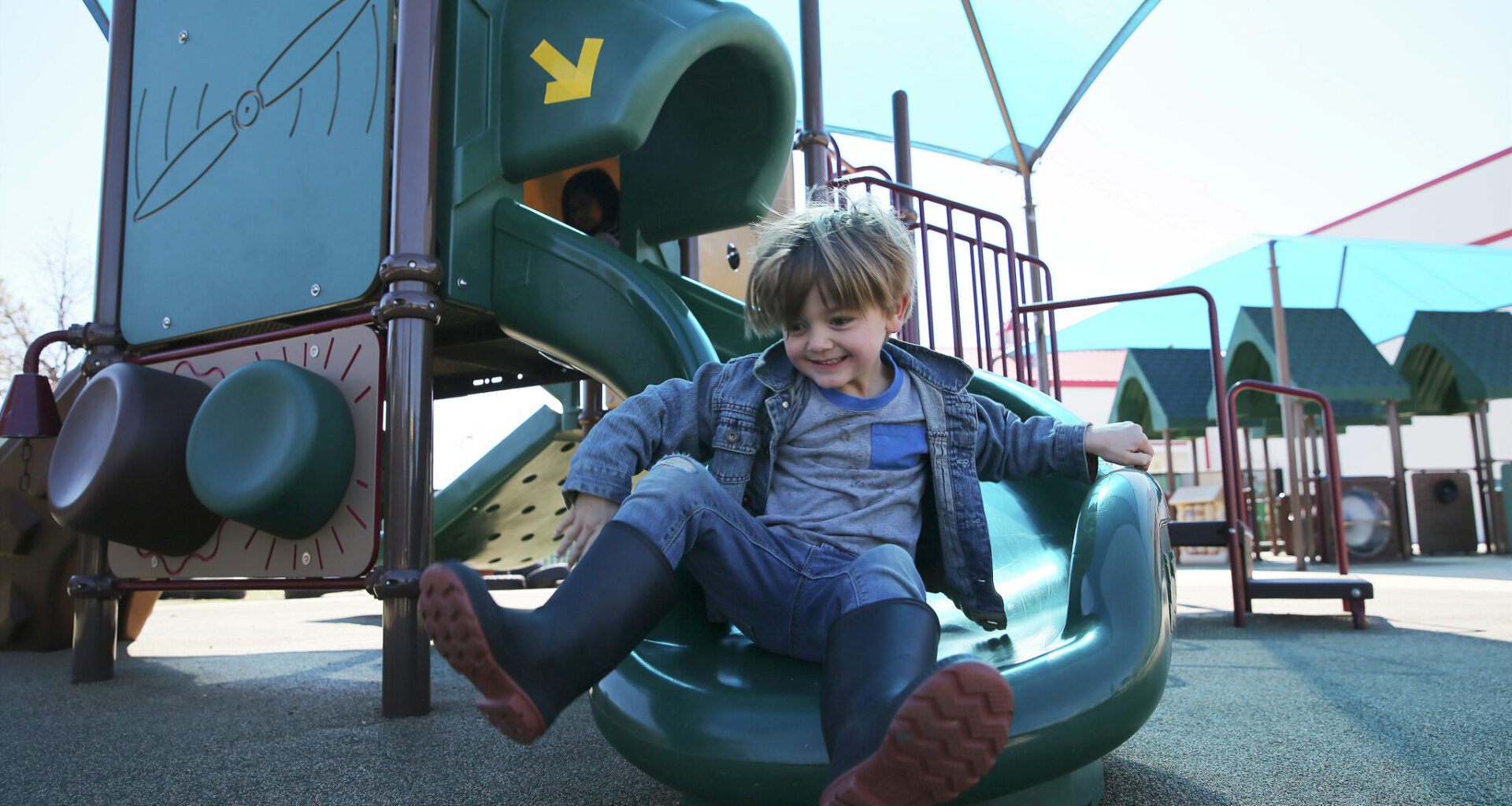
Kin Man Hui/Staff photographer
The capacity of children to imagine who they can be, and to have the skills to do so, isn’t always limited by the communities in which they are raised.

Grit and talent can overcome scarce resources and limited opportunities.
Article continues below this ad
But communities that don’t craft policies and create programs with the goal of enabling all children to fulfil their potential should always be held accountable for their failure of imagination.
Fortunately, for San Antonio, in 2011 then-Mayor Julián Castro and the blue-ribbon task force he convened imagined a city whose children, no matter which side of town they came from or the size of their family’s income, would receive high-quality prekindergarten education to accelerate their learning, make them more likely to attend and graduate from college and achieve their full potential. The rise of these young people through education and then careers would one day transform San Antonio.
From this conception was born Pre-K 4 SA, the early childhood education initiative that 53% of San Antonio voters approved in 2012, allocating a one-eighth-cent sales tax.
The long-term goal is to break the cycle of generational poverty in San Antonio by offering affordable, quality early childhood education to children from across the city, and especially from low-income families.
Article continues below this ad
The first two of its education centers opened in August 2013, and the program’s success has been well-documented.
A 2019 University of Texas at San Antonio study found Pre-K 4 SA graduates performed better on state standardized tests than peers attending other prekindergarten programs and those not attending prekindergarten.
Another study, released in January, from Rice University’s Baker Institute for Public Policy and the nonprofit Children at Risk found 78% of Pre-K 4 SA alumni were ready to enter elementary school.
This was something of a silver lining because that same study found most San Antonio-area children are not prepared for kindergarten. Economic instability was the primary reason, illustrating the importance of Pre-K 4 SA — and the necessity of San Antonio’s Ready to Work program, although we digress.
Article continues below this ad
Created to attack generational poverty, Pre-K 4 SA lays a foundation for the future by helping two generations at once. It provides no- or low-cost quality childcare, which enables parents to work or pursue their own education.
Pre-K 4 SA’s popularity has grown.
In 2020, more than 73% of voters approved funding the program for another eight years.
Among City Council members, there’s a move to not wait until 2028 to ask voters to again approve the program. Rather, the City Council is considering an earlier approval and for a longer term.
Article continues below this ad
We support the continuation of Pre-K 4 SA, but we think it’s best to do so under the timeline that voters have already approved. That also creates the space for the council and the community to have a robust discussion about the direction Pre-K 4 SA might take, whether it’s serving even younger children or creating more Pre-K sites around San Antonio.
This question is already being explored. As Express-News reporter Noah Alcala Bach recently reported, Pre-K 4 SA has started a pilot program at its South Education Center serving 40 infants and toddlers, recognizing the rapid development of their brains at such tender ages.
We are intrigued by this pilot program and are eager to see the results. While Pre-K 4 SA deserves to be continued on the merits, it should not be for 20 years as District 4 City Council Member Edward Mungia has proposed. The program benefits from City Council review and voters choosing to renew it. To extend for 20 years ties the hands of future councils and silences the voices of future voters. An extension of four to eight years is more appropriate.
Article continues below this ad
Yes, invest in young people. But don’t cast aside public oversight and input.