

The Texas Science & Natural History Museum on the University of Texas at Austin campus is a hands-on destination where science comes to life for all ages.
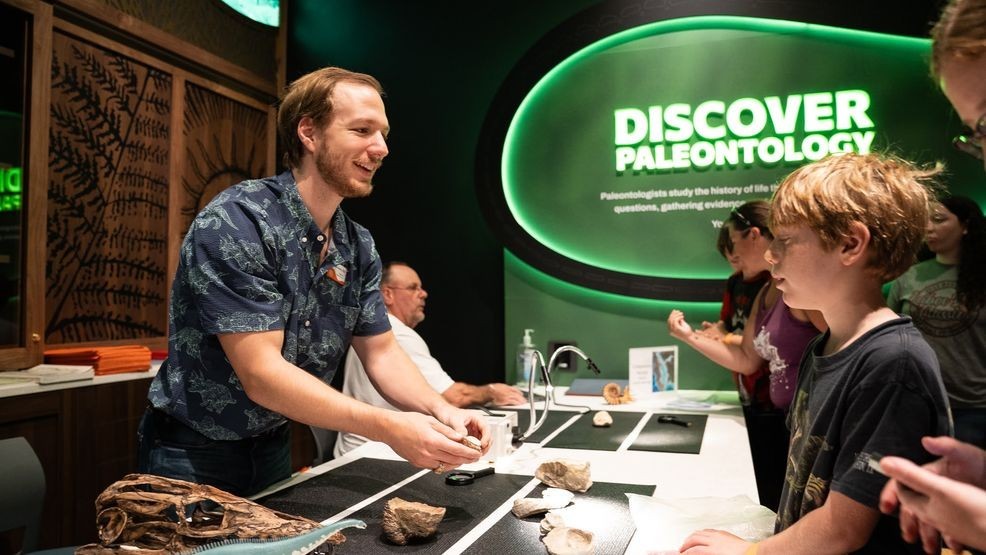
Liam Norris in Discovery Center
Visitors can explore everything from dinosaur fossils and ancient history to Texas wildlife and interactive exhibits that make learning about Earth, evolution, and the natural world fun, immersive, and family-friendly.
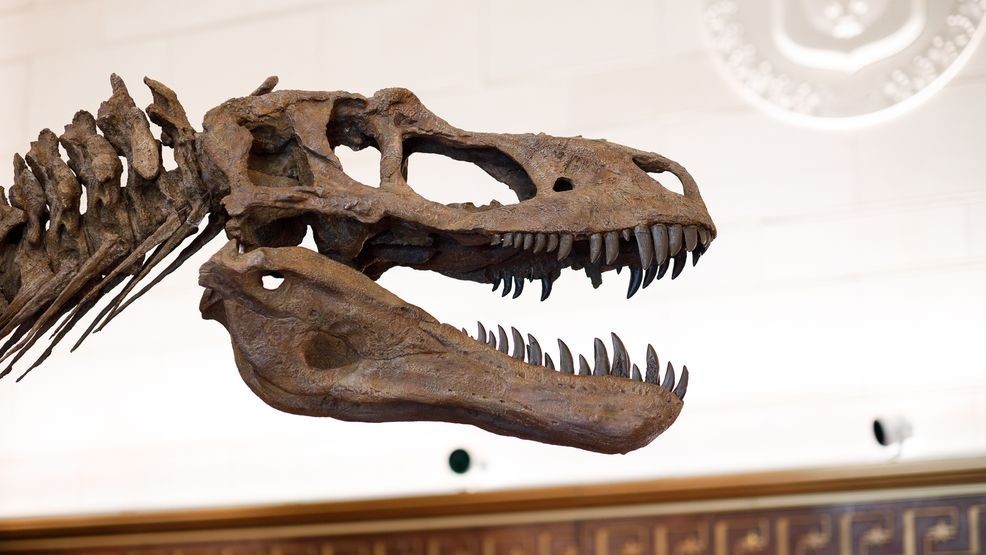
Texas Science & Natural History Museum Texas Titans tyrannosaur
A new edition of “I Didn’t Know That!” on We Are Austin is taking viewers to the skies with a closer look at the fascinating science behind powered flight.

A new edition of “I Didn’t Know That!” on We Are Austin is taking viewers to the skies with a closer look at the fascinating science behind powered flight.
Dr. Liam Norris from the Texas Science & Natural History Museum joined the Sierra Waggoner and Trevor Scott to explain how certain animals developed the ability to truly fly—and why powered flight is one of evolution’s most remarkable adaptations.
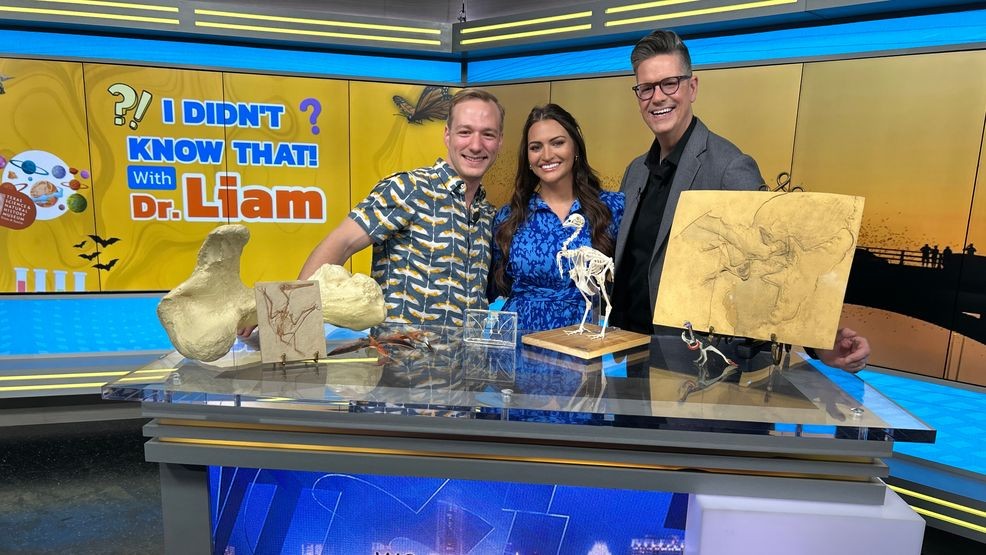
Dr. Liam Norris from the Texas Science & Natural History Museum joined the Sierra Waggoner and Trevor Scott to explain how certain animals developed the ability to truly fly—and why powered flight is one of evolution’s most remarkable adaptations.
“Powered flight is different from gliding or controlled falling,” Dr. Norris explained. “It’s specifically when an animal can actively move up or down in the air at will using a flight stroke.”
He says there are three main groups of vertebrates that evolved powered flight: pterosaurs, birds, and bats.
While all three groups use modified forelimbs to fly, each evolved wings in completely different ways. Pterosaurs flew using an extended fourth finger covered in stretched skin,
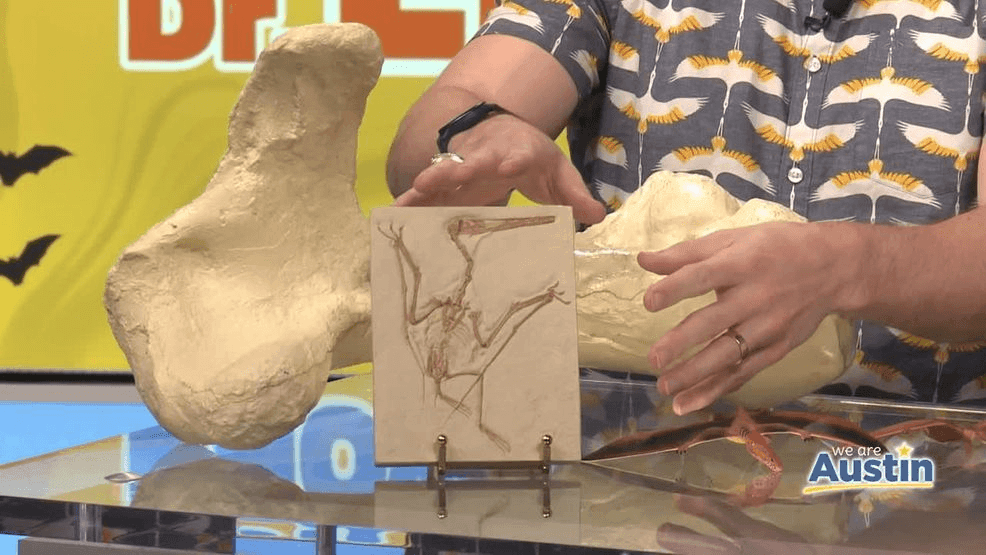
While all three groups use modified forelimbs to fly, each evolved wings in completely different ways. Pterosaurs flew using an extended fourth finger covered in stretched skin, birds developed feathered wings with fused hand bones, and bats use elongated fingers connected by thin membranes of skin.
birds developed feathered wings with fused hand bones,
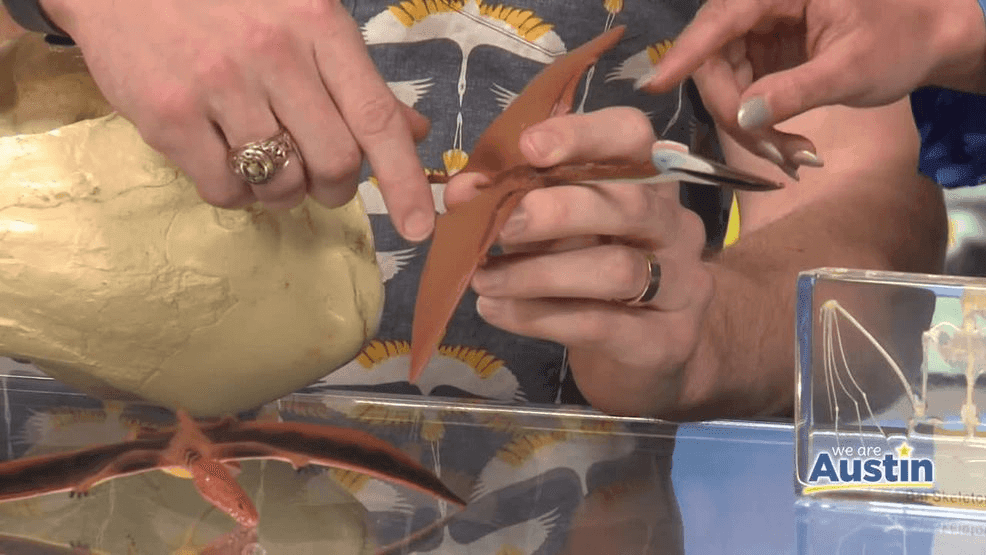
That process is known as convergent evolution—when unrelated animals develop similar traits because they serve the same function.
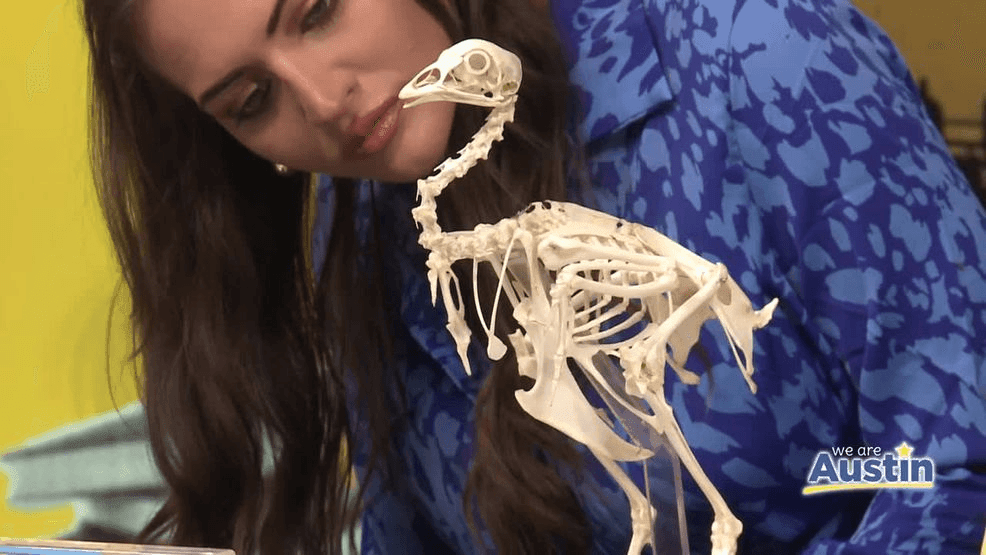
“Flight gives animals access to food, helps them escape predators, and allows them to explore environments other animals can’t,” Norris shared. “Whenever there’s an opportunity in nature, evolution tends to find a way to fill it.”
and bats use elongated fingers connected by thin membranes of skin.
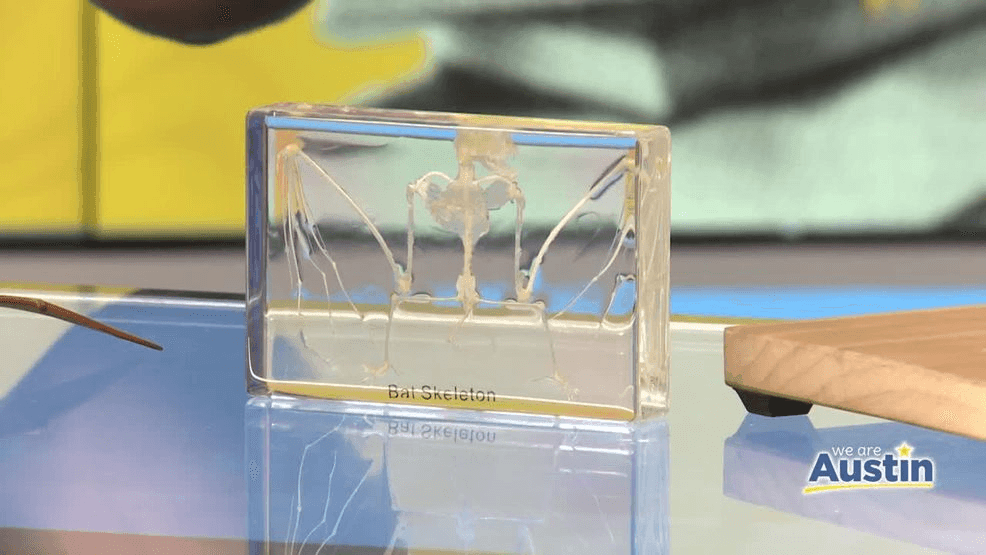
The exhibit will explore the many different species of bats, from insect-eating bats to pollinators and fruit bats, while also spotlighting Austin’s famous Mexican free-tailed bats.
“These animals aren’t closely related at all,” Norris said. “Pterosaurs are related to dinosaurs, birds are dinosaurs, and bats are mammals. But they all evolved wings because flight opened up opportunities in nature.”
That process is known as convergent evolution—when unrelated animals develop similar traits because they serve the same function.
“Flight gives animals access to food, helps them escape predators, and allows them to explore environments other animals can’t,” Norris shared. “Whenever there’s an opportunity in nature, evolution tends to find a way to fill it.”
The museum is also preparing to launch a brand-new exhibit later this month called Masters of the Night: The True Story of Bats, opening May 24th.

The museum is also preparing to launch a brand-new exhibit later this month called Masters of the Night: The True Story of Bats, opening May 24th.
“We’re in Bat City,” Norris said. “This exhibit really tells the story of bats around the world and helps people better understand these often misunderstood animals.”
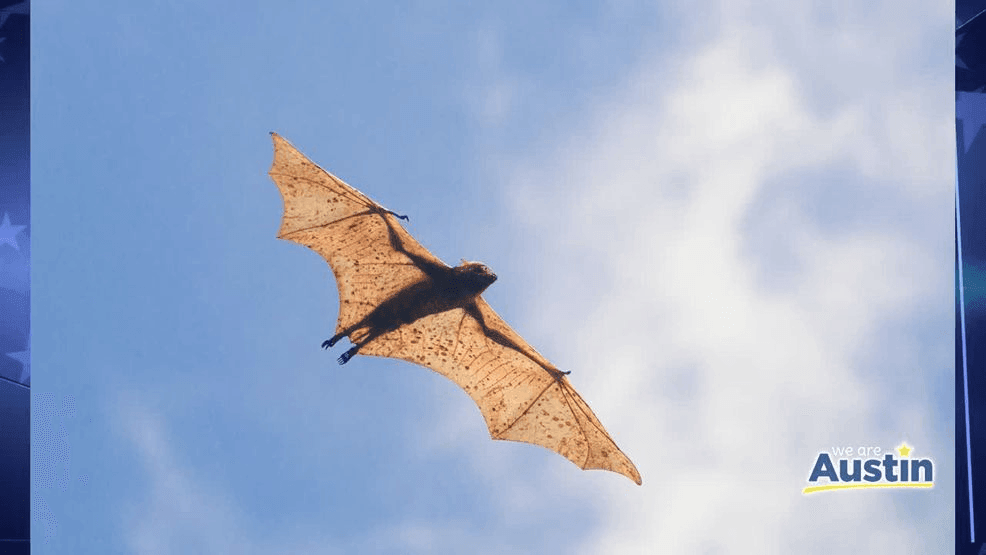
The museum is also preparing to launch a brand-new exhibit later this month called Masters of the Night: The True Story of Bats, opening May 24th.
The exhibit will explore the many different species of bats, from insect-eating bats to pollinators and fruit bats, while also spotlighting Austin’s famous Mexican free-tailed bats.
Beyond the new exhibit, the museum offers a wide range of science and natural history experiences for visitors of all ages.
The Texas Science & Natural History Museum is open Tuesday through Saturday from 10 a.m. to 5 p.m. and Sundays from 1 p.m. to 5 p.m. For more information, visit the museum online.

The Texas Science & Natural History Museum is open Tuesday through Saturday from 10 a.m. to 5 p.m. and Sundays from 1 p.m. to 5 p.m. For more information, visit the museum online.