
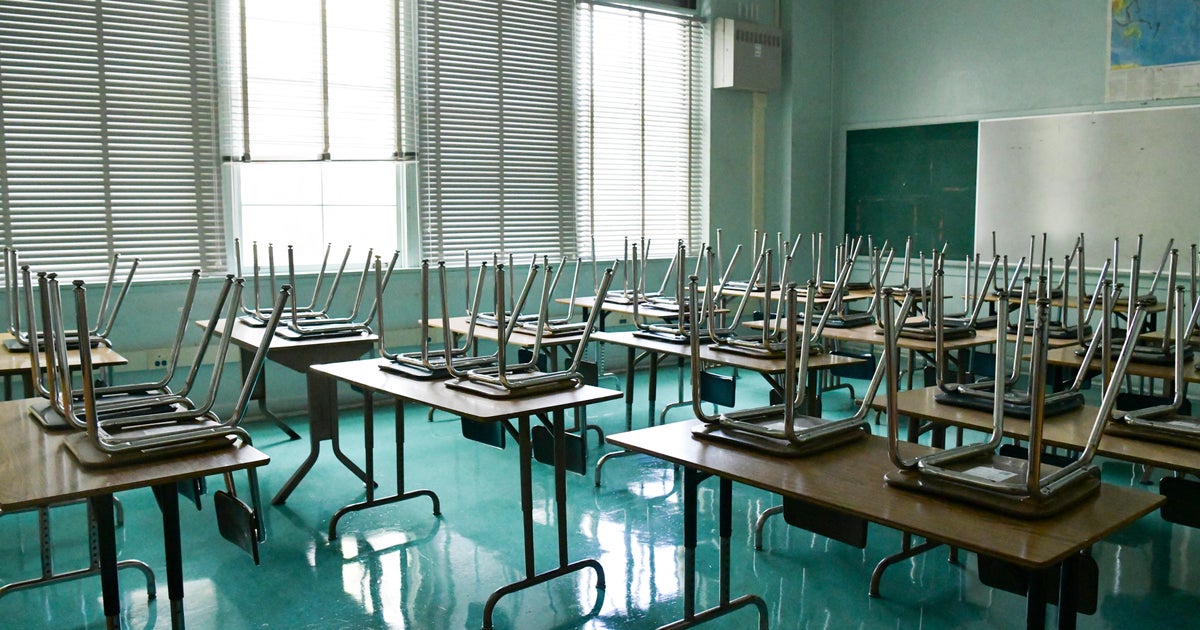
At a state public education committee meeting in Austin on Monday, the Texas Education Agency announced the largest single-year enrollment decline they’ve seen in years. This comes as the state takes on a new school voucher program that gives families taxpayer money for private school.
This school year alone, the TEA reports that Texas saw 75,000 fewer public school students. Next year, public education is expected to lose 120,000 students or more, according to demographer Bob Templeton, who testified in Austin on Monday.
Gina Hinojosa, a democratic member of the Texas House of Representatives who’s also running for governor, said in the hearing that this is a crisis for public education.
“A lot of our school districts are not making it,” Hinojosa said at the hearing. “We have 10 schools shutting down in Austin. We will not be the same community after that happens. It is very hurtful, but it is happening. In Fort Worth, where there are 18 schools proposed for closure. It is happening in El Paso. It is happening in Corpus Christie. It is happening all over this state, and it is blowing up school communities.”
This is an issue not just in North Texas but across the state.
Since January, Fort Worth ISD has decided to close another school, on top of the 18 already slated to close. Carroll ISD is closing an intermediate school. Arlington ISD is closing an elementary school. These can all be cited back to falling enrollment and tight budgets.
Why is public school enrollment dropping?
According to Templeton, enrollment in charter schools, virtual schools, private schools, and homeschools is on the rise. Birth rates are down.
The state’s first-ever education savings account program for private schools will also have an impact, drawing many students away from public education to private education with the assistance of vouchers.
TEA Commissioner Mike Morath said the state has not been tracking campus closures. The agency does not have an account of how many school buildings there are statewide and how many students are in each one, but the data collection may begin next year.