

“We’re running out of water.”
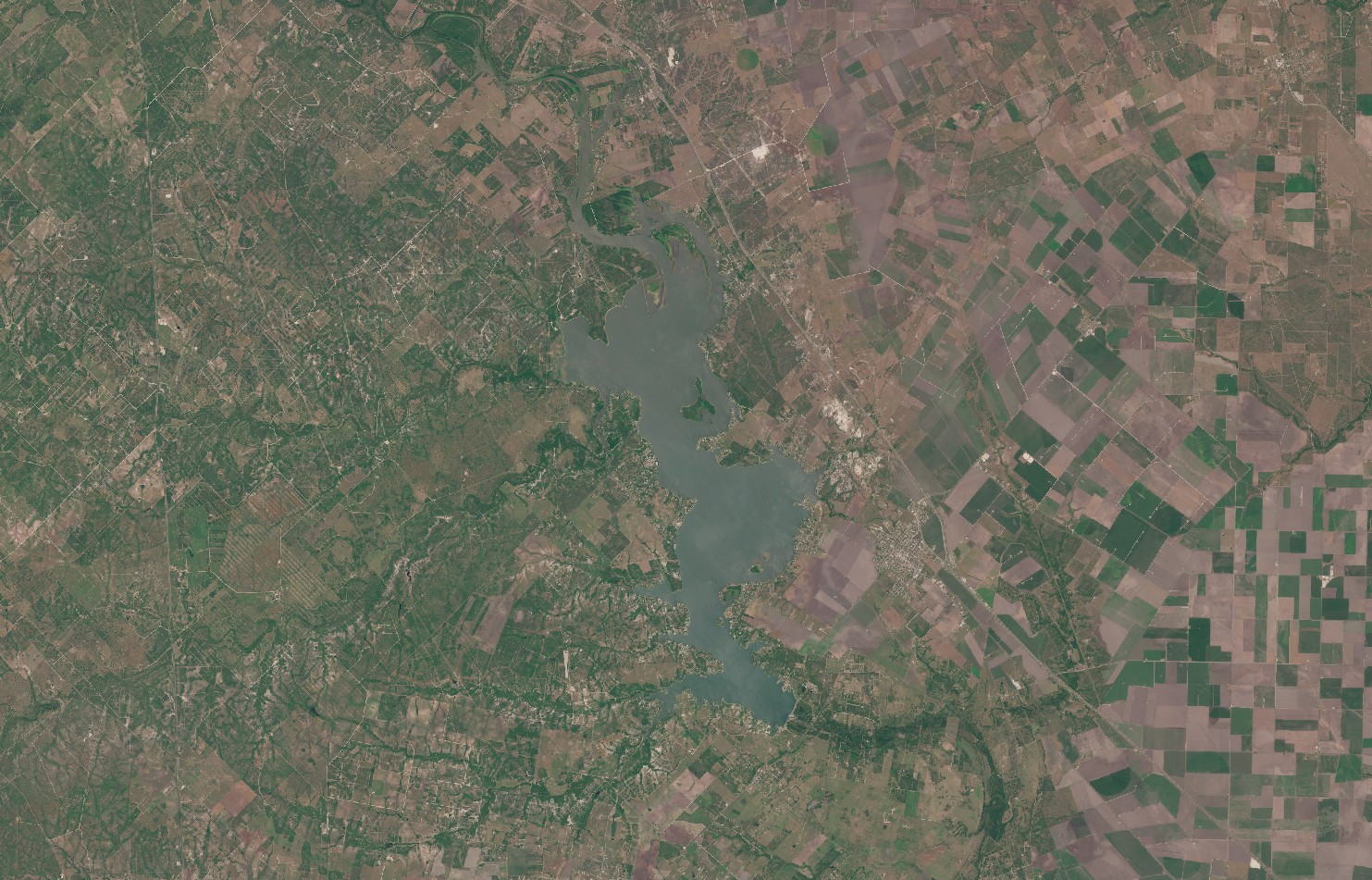
That blunt warning from Republican Congressman Michael Cloud, who represents Corpus Christi in the U.S. House, captures how dire the situation has become in the South Texas coastal city, where falling reservoir levels and looming mandatory cuts have brought officials closer to the prospect of severe water shortages across its primary reservoir system.

City officials, however, dispute the most alarmist characterizations. “Current projections indicate the City of Corpus Christi is not at risk of running out of water,” a city spokesperson told Newsweek, adding that emergency thresholds reflect projected demand, not an exhausted supply.
Even so, planning around a worsening shortage appears to have accelerated, and the projected timeline for declaring an emergency has already been moved twice.
Warnings Grow as Corpus Christi Water Levels Decline
According to the city’s website, models suggest a Level 1 Water Emergency—a scenario triggered when the city’s water supplies are expected to be roughly 180 days from demand exceeding available supply. This could be triggered by September, a date that has been brought forward from November, according to a January city press release. It stated that the combined capacity of Choke Canyon Reservoir and Lake Corpus Christi had reached 10 percent—the lowest level the reservoirs have experienced in history.
Draft city plans, reviewed by Inside Climate News, outlined proposals to impose 25 percent cuts on all water users, affecting nearly 500,000 people in Texas’s Coastal Bend region and one of the leading petrochemical and refinery hubs in the state. Leaders had previously warned restrictions could begin this month, but delayed the timeline to October after Governor Greg Abbott issued orders easing pumping limits and fast‑tracking permits for planned well‑field projects.
How Bad Are Water Levels?
The underlying data from two reservoirs that form the backbone of the city’s water system show how sharply the situation has worsened.
As of May 13, Lake Corpus Christi was 11.2 percent full, while Choke Canyon Reservoir stood at 7.3 percent, according to Texas Water Development Board data. In raw terms, storage at Lake Corpus Christi has fallen from roughly 54,000 acre‑feet a year ago to under 29,000, while Choke Canyon dropped from approximately 95,000 to less than 49,000 over the same period. (An acre‑foot is the volume of water needed to cover one acre of land to a depth of one foot.)
The city has pointed to nearly $1 billion in water solutions, described as “active construction and engineering efforts.”
“The City of Corpus Christi will continue to prioritize the long-term security of our water system,” it said in the statement.
 What Water Restrictions Could Mean for Residents and Industry
Corpus Christi’s water crisis intersects residential needs with the demands of large refineries and chemical plants. According to Inside Climate News, more than half of the city’s water consumption comes from plants, refineries, and other industrial facilities.
Residents in the city and nearby locales, as well as the region’s petrochemical and refinery hub, could face reductions and possible operational disruptions, according to the outlet.
“Without lots and lots of rain, industry will be forced to shut down,” said Don Roach, former assistant general manager of the San Patricio Municipal Water District.
“If the industry shuts down, who stays in Corpus without a job? Without industry, what other businesses could exist? This is an unprecedented disaster.”
The city is currently under Stage 3 water shortage conditions, with combined storage levels of Choke Canyon Reservoir and Lake Corpus Christi at just 8.5 percent as of May 11.
Stage 3 water restrictions ban lawn-watering entirely but permit limited irrigation under strict conditions, including drip systems or small handheld watering on designated days, and hand watering for food gardens and certain plants during specific hours. Pools may still be maintained if covered when not in use, while home car washing is restricted to a five-gallon bucket on assigned watering days.
Tamala Alejandro, a local resident, told the Texas Tribune: “We haven’t been able to water anything.”
“We used to blow up pools and have a slip-and-slide and things like that,” Alejandro said, according to the outlet. “But we can’t do that anymore.”
According to a fact sheet provided to Newsweek by the city, if a Level 1 Emergency is declared, it could require all customers to cut back on how much water they use and may also introduce extra charges for excess use. The reduced usage requirement would apply to everyone, but the additional fees would not apply to certain large-volume customers, as they have been paying into a program since 2019 that exempts them from those surcharges.
The city’s drought contingency plan says that during this emergency level, watering landscaped areas would be banned, along with using water to wash cars, motorcycles, boats, trailers or other vehicles. Businesses would be barred from using water for anything not essential to their operations.
At its latest meeting, the City Council approved updates tied to its emergency policies after weeks of review and planning, emphasizing a “residential-first” approach. The measures would only take effect if an emergency is formally declared.
Changes include raising the residential monthly baseline from 7,000 to 8,000 gallons, with a 6,000-gallon allocation reflecting a 25 percent reduction.
The council also outlined optional surcharges—subject to separate approval—for excess use, starting at $4 per 1,000 gallons above allocations and $8 above baselines. Residential customers would not face penalties for exceeding limits, though enforcement would target prohibited uses such as landscape watering.
The city has previously stressed that western reservoir levels alone do not trigger a water emergency. Corpus Christi draws significant supply from eastern sources—primarily Lake Texana and the Colorado River, it says. Lake Texana was 77 percent full as of May 13.
 Could Corpus Christi Run Out of Water?
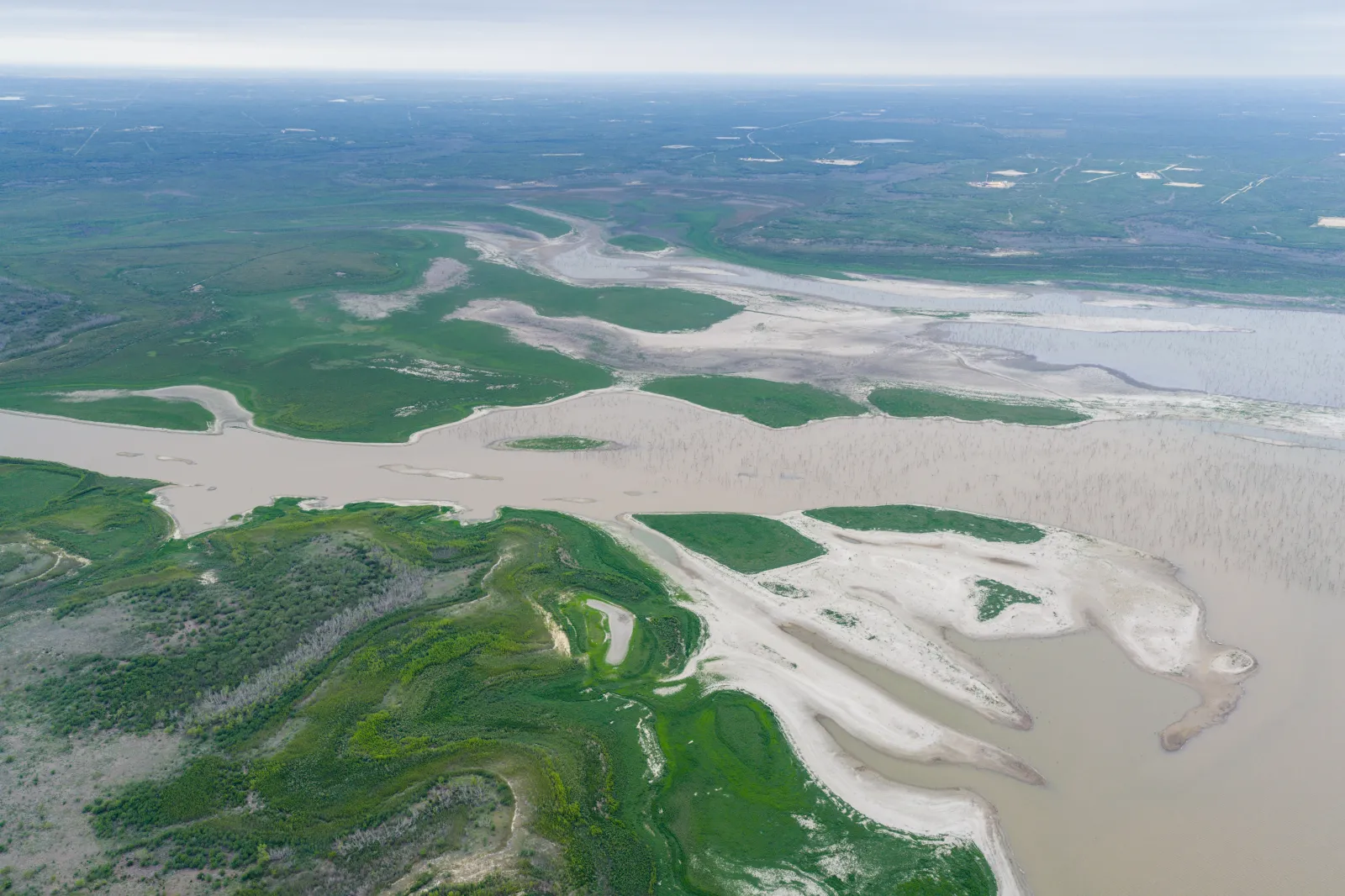
The City of Corpus Christi uses the combined water levels of Lake Corpus Christi and Choke Canyon Reservoir to trigger drought stages under its Drought Contingency Plan. A spokesperson told Newsweek the crisis is being driven by persistent drought conditions and sharply reduced inflows into the city’s main surface water sources, noting that the region depends heavily on rainfall to replenish reservoirs, which have continued to drop after years of dry conditions across South Texas.
“It is more accurate to say that Corpus Christi is facing a severe water-supply problem due to a prolonged drought but not that the city is ‘running out of water,’” Cecilia Tortajada, honorary professor at the University of Glasgow’s School of Social and Environmental Sustainability, told Newsweek.
“Its traditional reservoir system, meaning Choke Canyon and Lake Corpus Christi, has been heavily depleted by prolonged drought, leaving the system with far less operational buffer than normal.
“However, the city’s immediate problem is not absolute scarcity. Corpus Christi’s current supply is being sustained through several active measures: aggressive conservation, maximized imports from Lake Texana and the Colorado River through the Mary Rhodes Pipeline, and emergency groundwater production.
“A caveat is that the Colorado River has been affected by a multiyear drought and is not a reliable source of water,” she added.
Tortajada said a comparable case in the U.S. was California’s 2012–2016 drought. While the state never literally exhausted its water supply, many utilities reached a similar near-depletion state, where supplies remained accessible only through emergency conservation measures, increased reliance on groundwater, and tighter administrative controls. In 2015, California enforced mandatory urban conservation targets, requiring a 25 percent cut in municipal water use, while utilities introduced stricter limits on nonessential consumption and drew more heavily on drought reserves, she said.
“California’s most important response was institutional. The drought accelerated wastewater recycling, normalized tighter demand management, and, most significantly, produced the Sustainable Groundwater Management Act in 2014. This Act, for the first time imposed statewide oversight on groundwater extraction and long-term basin planning.”
What Happens Next for Corpus Christi’s Water Supply
A U.S. Drought Monitor map, released 7 May, indicated that much of Texas has continued to experience drought conditions.
A Climate Prediction Center outlook for May through July indicated most of the state has roughly equal odds of wetter- or drier-than-normal conditions, while temperatures are expected to trend above average.