
City staff are recommending that Austin wait until 2028 to ask voters to approve a new bond package, according to an internal memo sent Friday to the mayor and City Council and obtained by the American-Statesman.
For months, City Manager T.C. Broadnax and his staff have been weighing the need to ask voters this November to approve borrowing for a slew of major projects — a process that resulted in several preliminary proposals with price tags ranging from $436 million to $766 million.
But in Friday’s memo, Capital Delivery Services Director Adriana Castaneda said staff recommend postponing the bond election for two years so the city can stay within its current financial policies.
The recommendation comes amid a major budget crunch—and as the city finds itself already carrying a large backlog of bond money that voters have approved but the city has not yet borrowed or spent. The Statesman recently reported that the city has more than $1 billion in voter-approved but unissued bond funds, tied to projects dating as far back as 2006.
That backlog has complicated the city’s bond planning. It also raised the possibility that the City Council would have to change the city’s financial rules in order to move forward with a 2026 bond election.
That’s because those rules generally bar the city from holding another bond election until two years or less remain on previously authorized bonds.
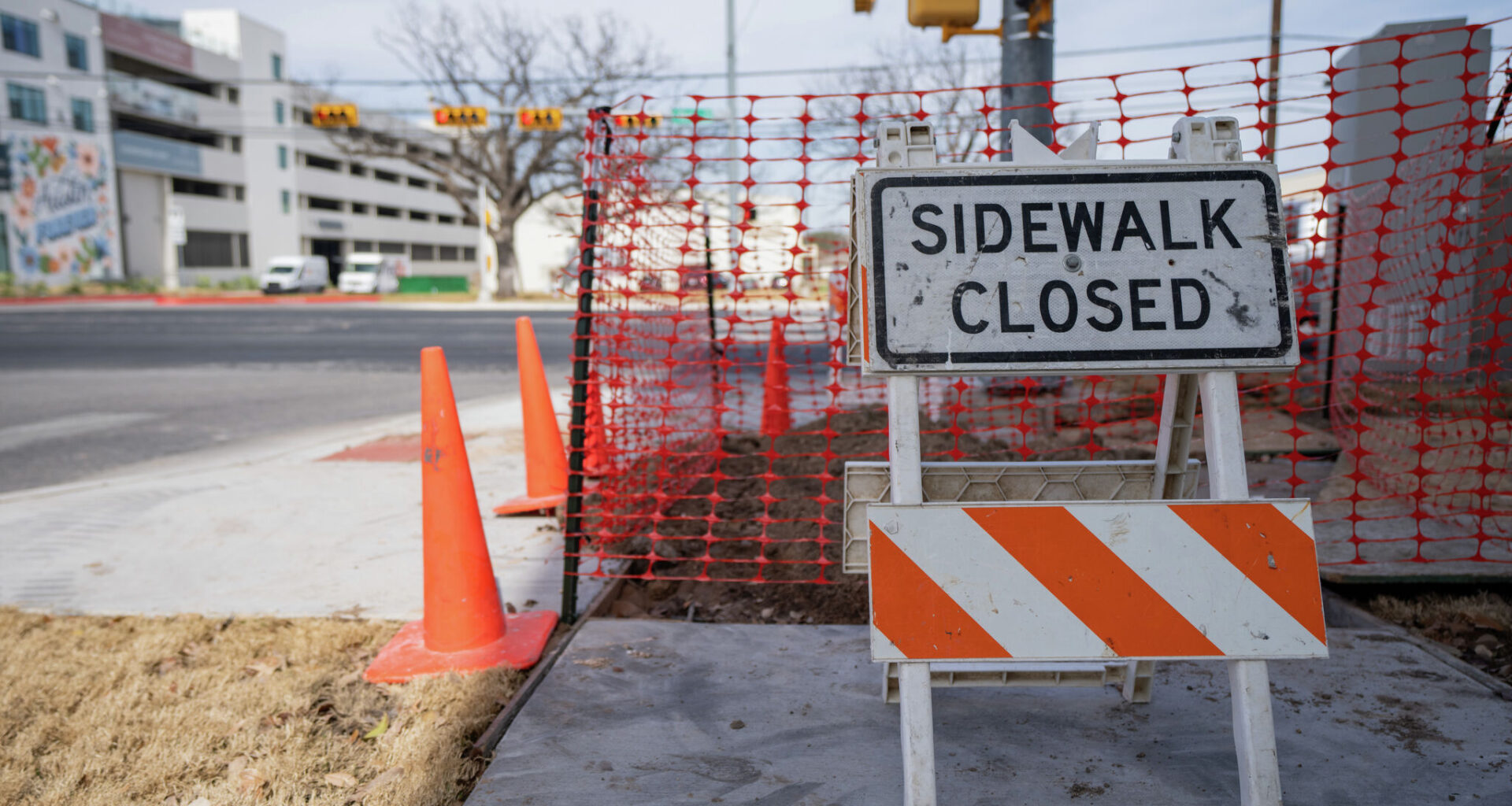
Staff in Friday’s memo pointed to several areas where earlier bond funding has mostly been spent and where more money may be needed during the 2027 budget process. Those areas include transportation projects such as sidewalks, Safe Routes to School, streets and traffic signals; watershed protection projects; and parks needs, including pools, infrastructure and land acquisition.
The recommendation follows a “decision tree” process proposed by Mayor Kirk Watson and adopted by Council to help officials decide when a bond election is needed, what it would pay for and how it would affect city finances.
Austin voters have approved several large bond packages in recent years, including the 2020 mobility bond and the 2022 affordable housing and infrastructure bonds.
Staff are scheduled to present their recommendation to the City Council on Tuesday. Members are expected to vote on the issue by the end of the month.
So far, public sentiment among members has been mixed.
Council Member Marc Duchen—who also opposed last year’s tax rate election, known as Proposition Q—came out against the bond earlier this month while Council Member Mike Siegel has been actively pushing for it. Council Member Krista Laine told the council in January that she was skeptical.
Mayor Watson has not yet taken a position but has worried that Austin voters—who overwhelmingly rejected Prop Q—might not be as willing to approve a bond this year.