
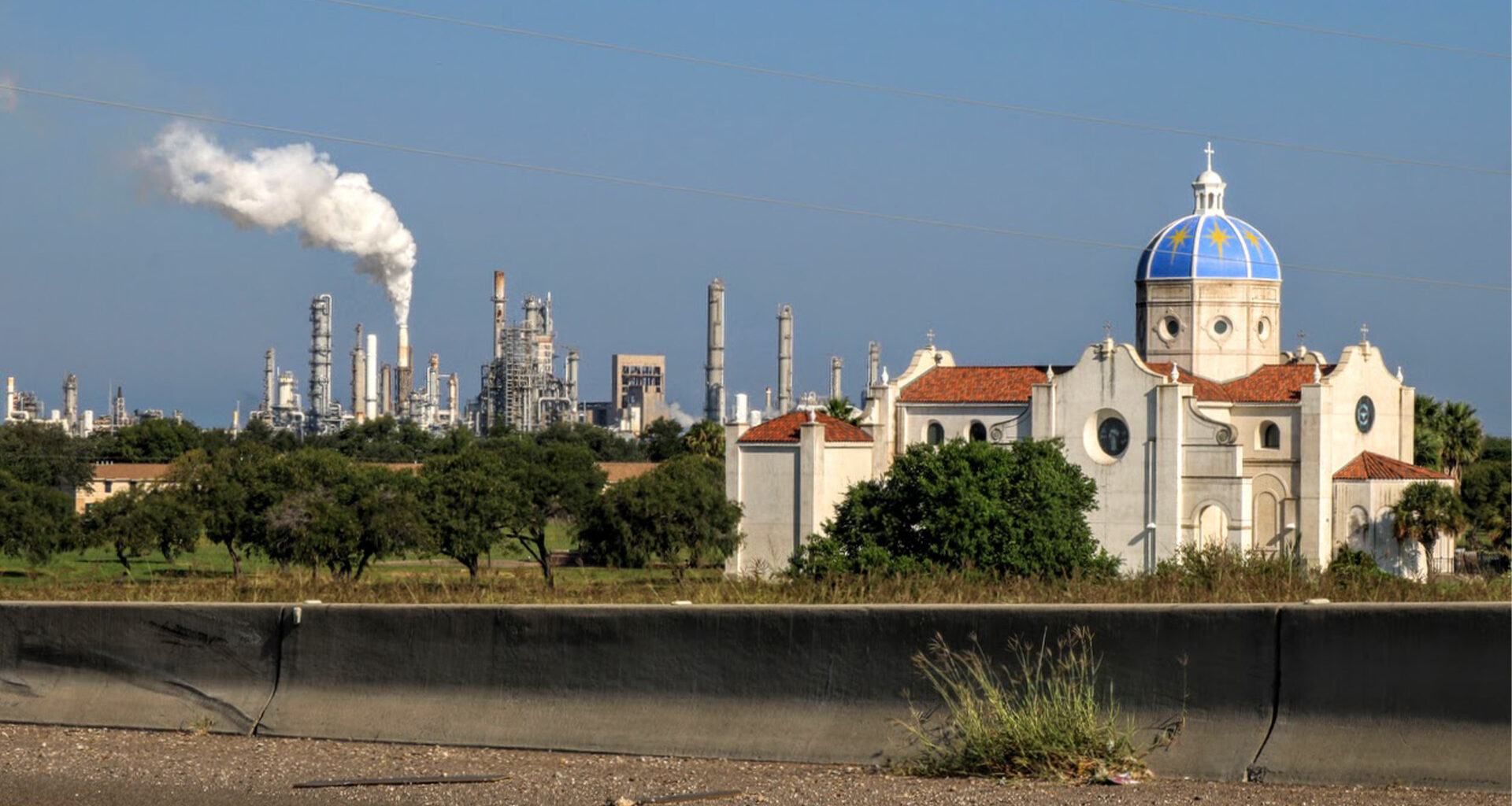
Projects include major transmission lines, water storage tanks and distribution networks, as well as pumpstations, water treatment plants, and associated utility infrastructure. She says situations such as Corpus Christi highlight the importance of long-term water resilience planning.
Given the hot, dry climate in the Middle East, are water projects given more prominence than in other regions less at risk of drought?
Absolutely. Water infrastructure is critical because water scarcity impacts both daily life and economic activity. Unlike some other utilities, water is essential for communities, industry and ongoing operations.
Desalinated water is the main source of water in the Kingdom, and as populations grow and cities expand, securing reliable water supply becomes increasingly important. This is particularly relevant in countries with limited natural freshwater resources, such as Saudi Arabia where already limited (non-renewable and renewable) groundwater is the main natural water source, and evaporation rates are high due to the harsh weather conditions.
Is it difficult to plan exactly how much water a town or city will need more than a few years into the future?
Forecasting future water demand is complex because it depends on multiple variables including population growth, urban expansion, industrial development and consumer behaviour.
During the early planning stages of developments, assumptions must often be made regarding household demands, future occupancy and longer-term economic growth. This uncertainty is why the early involvement of urban planners and engineers is imperative for future planning. Considerations for the provision of ramping up of water supply to match the changing demand need to be made early on.
Also, with the extreme changes in climate we are currently experiencing, as well as erratic rainfall in some regions, the dependence on historical weather data becomes less reliable. In my opinion, water sources outside of rainfall should have sufficient capacity on their own, as far as is possible.
What can surveyors do in the early stages of new developments, both residential and commercial, to address future water scarcity?
Surveyors can play an important role in improving long-term water resilience through early-stage planning and infrastructure coordination. This includes ensuring sufficient provision for regional transmission infrastructure, which covers future requirements, and integration with alternative water sources where viable.
Experienced professionals can provide input and recommend interconnected regional networks so that areas experiencing shortages can be supplemented by neighbouring systems less affected by drought conditions.
Ultimately, resilience planning needs to be considered from the outset of development. From a cost and commercial perspective, surveyors can also help clients understand the long-term financial implications of resilience measures such as oversized infrastructure network interconnectivity, recycled water systems, and future-proofing strategies. These may increase upfront capital costs, but they can significantly reduce future operational risk and the cost of future major upgrades.