
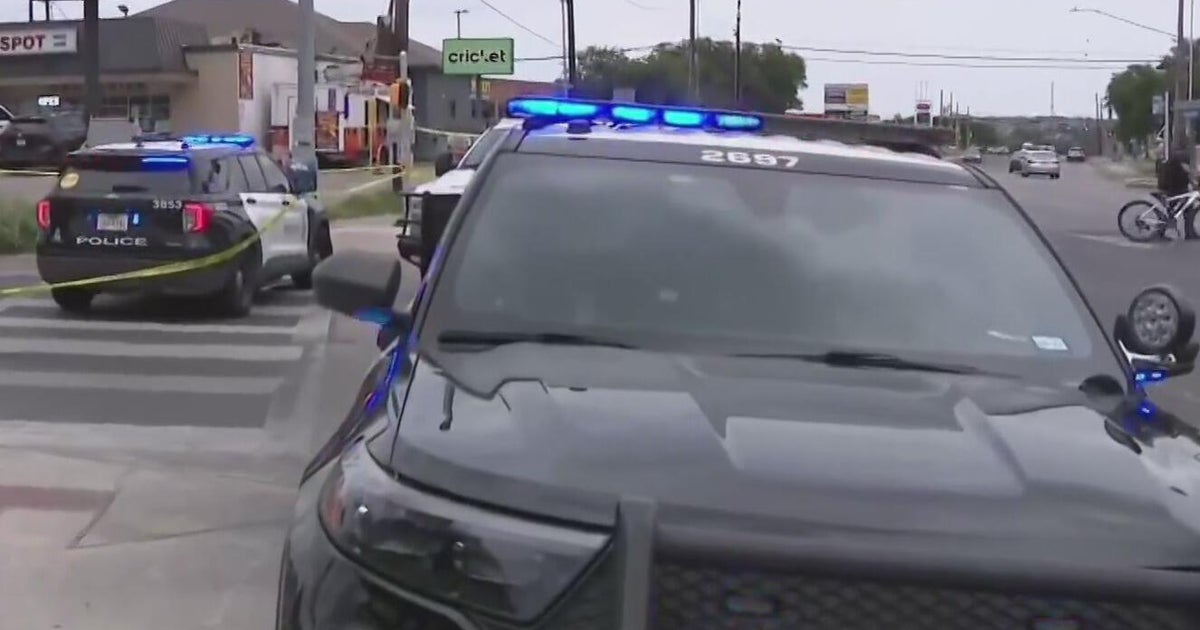
A sun-drenched Texas weekend descended into chaos as a relentless shooting spree left four people seriously wounded across the city of Austin. Authorities have detained two teenagers while a frantic manhunt continues for a third suspect linked to the violence.
The seemingly random wave of violence, comprising at least 12 distinct shootings, has shattered the illusion of urban safety in the Texas capital. With multiple vehicles stolen and emergency responders targeted by gunfire, the sheer brazenness of the attacks demands immediate answers regarding youth crime, firearm access, and municipal security protocols.
A Timeline of Unprovoked Violence
The terror commenced abruptly at 3:45 p.m. on Saturday when a vehicle was stolen from a quiet apartment complex. Minutes later, a firearm was reportedly stolen from a nearby retail outlet. Initially, the Austin Police Department treated these as isolated property crimes, unaware they were the genesis of a massive, coordinated spree.
According to Austin Police Chief Lisa Davis, the situation escalated violently as emergency dispatchers were inundated with roughly 20 service calls. The suspects, operating predominantly in South and East Austin, began firing indiscriminately at pedestrians and apartment buildings. Law enforcement officers were forced to conduct door-to-door sweeps to ensure terrified residents were not bleeding out inside their homes.
The attacks paused overnight before resuming with chilling efficiency on Sunday morning. At 8:47 a.m., a man innocently walking his dog was struck in the back by gunfire. The random nature of the targeting has left the community deeply traumatized, realizing that anyone could have been caught in the crosshairs.
Targeting the First Responders
Perhaps the most disturbing element of the spree was the deliberate targeting of civic infrastructure. Austin Mayor Kirk Watson confirmed that the suspects fired upon two separate fire stations. In one harrowing incident, a firetruck was struck by bullets while fire personnel were standing directly behind it.
A total of 12 confirmed shooting incidents occurred within a 24-hour window.Four victims sustained serious gunshot wounds requiring immediate trauma surgery.At least four different vehicles were stolen and utilized by the suspects to evade capture.A shelter-in-place order was implemented across multiple South Austin neighborhoods before being lifted late Sunday.
Security analysts warn that the targeting of first responders indicates a severe escalation in criminal audacity. When the very individuals tasked with saving lives are pinned down by gunfire, the fundamental social contract of municipal safety completely fractures.
Global Parallels in Urban Insecurity
While the specific dynamics of this shooting spree are uniquely American, the underlying crisis of youth violence resonates globally. In rapidly growing urban centers worldwide, including Nairobi, law enforcement agencies are grappling with the lethal combination of alienated youth and access to illicit weaponry.
The Austin incident serves as a grim case study for international police forces. The ability of three teenagers to paralyze a major economic hub highlights the fragility of modern cities. East African security experts closely monitor such events, analyzing the timeline of the police response and the effectiveness of localized shelter-in-place communications.
The challenge transcends borders: how does a society preemptively identify and neutralize coordinated, mobile threats before they result in mass casualties? The reliance on pole cameras and rapid vehicle tracking demonstrated by Austin police offers a technological blueprint, but the human cost remains devastating.
The Search for Motive
As two teenage suspects sit in custody, investigators are desperately trying to unravel the psychological mechanism that triggered the violence. Mayor Watson explicitly stated that no motive has been identified, leaving the chilling conclusion that the bloodbath was executed simply for the thrill of the chaos.
With a third suspect reportedly cornered in the Manor area, the immediate crisis may be nearing its conclusion. However, the psychological scars inflicted upon the city will endure long after the crime scenes are cleared.
The community is left demanding answers that may never materialize, forced to reckon with the terrifying reality of random violence striking on a quiet weekend afternoon.