
Provided/Confederation of African Football
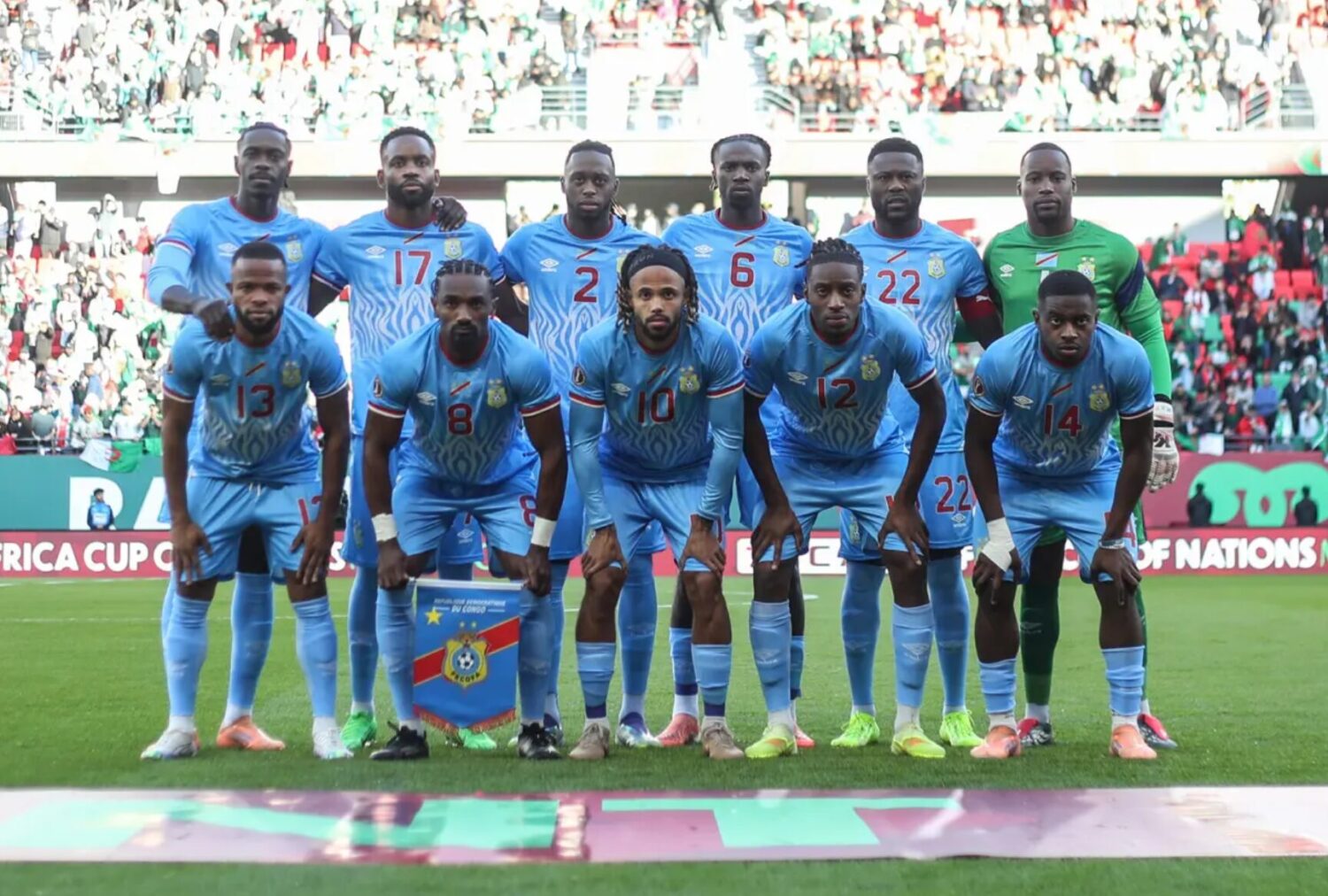
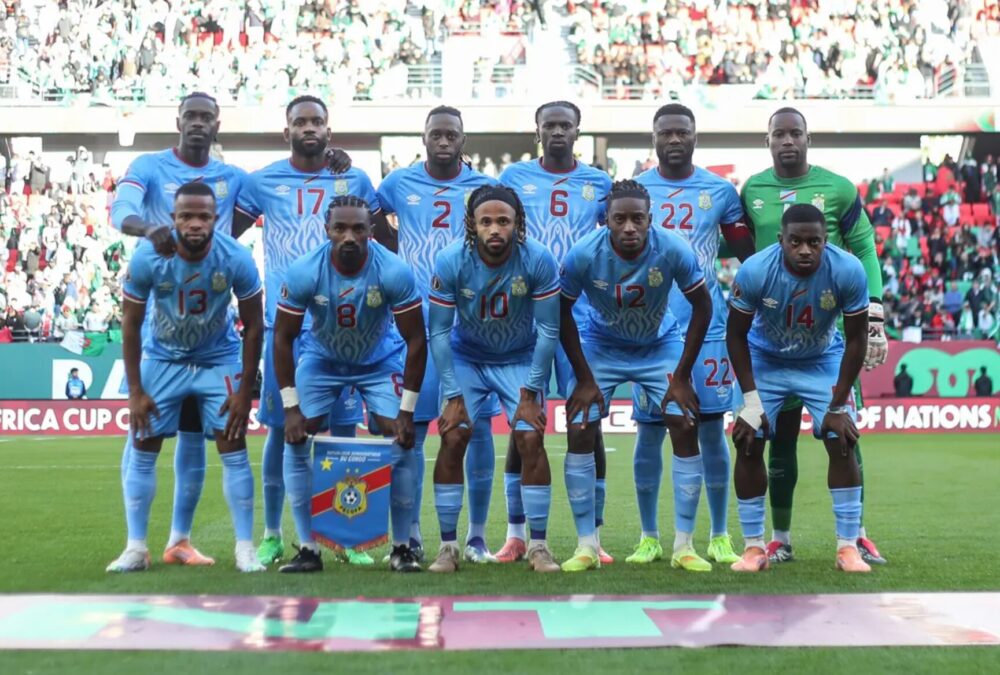
The Democratic Republic of Congo national soccer team, which will play in the 2026 FIFA World Cup.
The Democratic Republic of Congo’s national soccer team is set to live, practice and play a match in Houston during the 2026 FIFA World Cup this summer. Meanwhile, an outbreak of Ebola in the African country is prompting travel restrictions from the United States government.
The Centers for Disease Control and Prevention (CDC) is imposing travel restrictions against non-U.S. passport holders who have been to the Democratic Republic of Congo in the previous 21 days, as well as from Uganda and South Sudan, which have also reported Ebola cases or are close in proximity.
The order does not apply to U.S. citizens. On Sunday, the World Health Organization (WHO) called the outbreak a “public health emergency of international concern,” but not a pandemic. As of May Saturday, 246 suspected Ebola cases and 80 suspected deaths have been reported in a region of the Democratic Republic of Congo.
Sign up for the Hello, Houston! daily newsletter to get local reports like this delivered directly to your inbox.
That could spell trouble for the county’s national soccer team and its fans. Representatives from the team, which announced its roster on Monday, did not immediately return a request for comment.
The DRC established its World Cup home base in Houston for the group stage of the tournament. The team will practice at SaberCats Stadium south of Houston and will reside at a hotel near the Galleria.
Speaking with reporters last week, officials from Houston’s World Cup host committee said there was not a confirmed date for the team’s arrival in Houston but anticipated it around June 10 or 11. The World Cup begins in Mexico City on June 11, and DRC will play its first match of the tournament on June 17 in Houston against Portugal.
The travel restriction from the CDC, under Title 42, is in effect for 30 days — which would include travel up to June 17.
It’s not immediately clear what this will mean for the team or for the DRC fans who are expected to travel to the United States. Neither FIFA nor Houston’s World Cup host committee immediately returned a request for comment.
The CDC has stated that “the immediate risk to the general U.S. [is] low, but we will continue to evaluate the evolving situation and may adjust public health measures as additional information becomes available.” A spokesperson from the Houston Health Department deferred to the CDC.
In a statement, a spokesperson from Harris County Public Health, which serves unincorporated areas near Houston, stated that “HCPH is attending CDC information calls and reviewing its surveillance activity plans, along with working with local and state public health and healthcare partners.”
Ebola virus is a severe illness, which can often be fatal. The Bundibugyo virus associated with the outbreak is a rare form of Ebola, which includes symptoms of fever, weakness, vomiting, diarrhea, and, in severe cases, hemorrhagic complications and organ failure, according to the CDC. The disease spreads through direct contact with bodily fluids or contaminated materials, and most people develop symptoms within four to 10 days after exposure.
Under the CDC’s order, the U.S. will enhance public health screening and traveler monitoring for people arriving from countries like the DRC, including travel restrictions; coordinate with airlines and international partners to identify travelers exposed to the virus; and increase public health strategies like contact tracing and laboratory testing.
At least one American was confirmed to have contracted Ebola, according to the Associated Press.