
Federal officials ramped up screening and preparedness efforts to prevent a growing Ebola outbreak overseas from reaching the U.S. as Houston prepares to host thousands of international visitors for the 2026 FIFA World Cup.
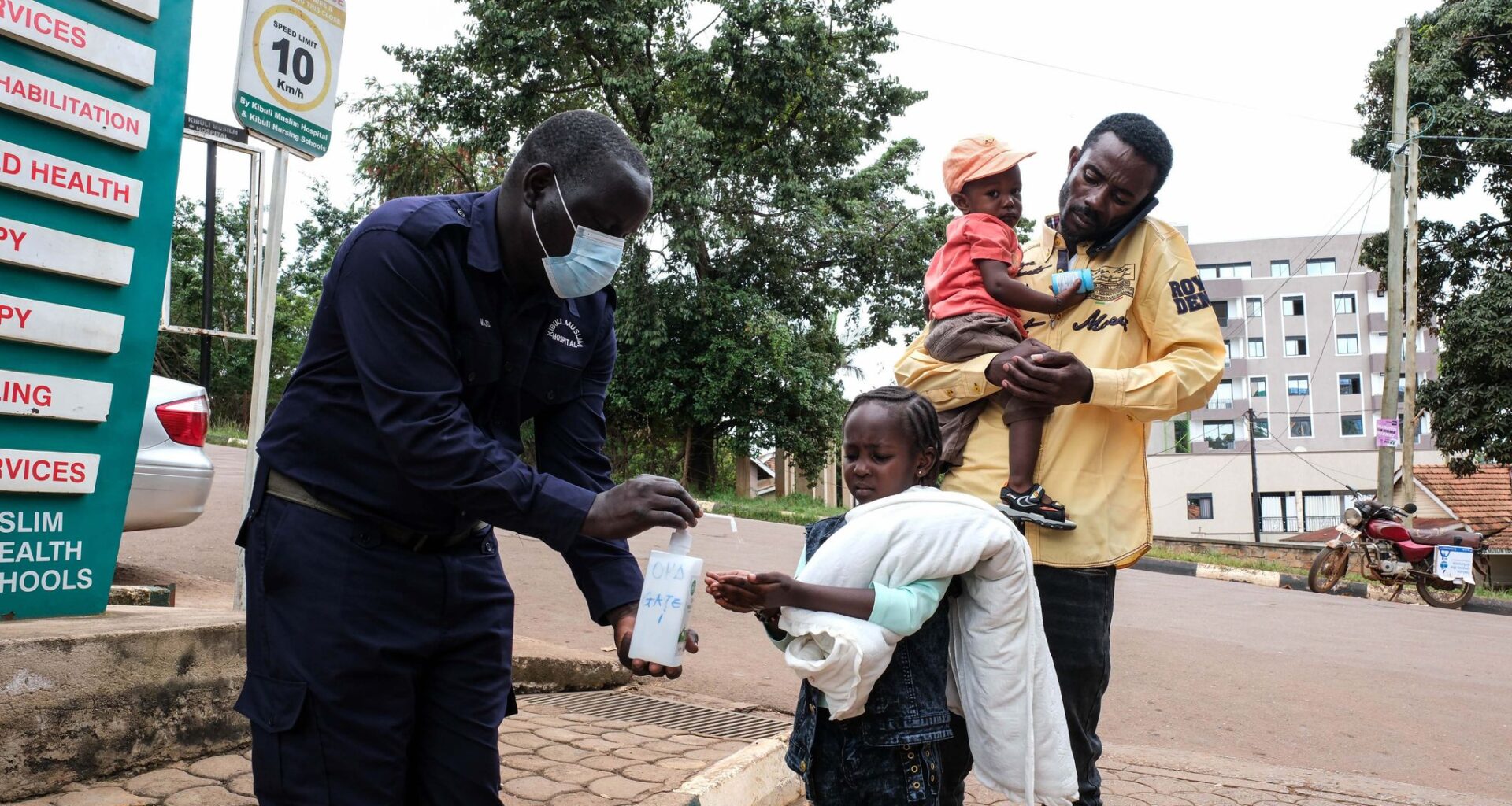
Earlier this month, a strain of Ebola was found in several people in the Democratic Republic of the Congo and Uganda, rising to more than 500 cases and 130 deaths as of Tuesday. The Centers for Disease Control and Prevention and the Department of Homeland Security have implemented enhanced travel screenings, restrictions and public health measures to block the spread of the virus, according to the CDC website.
As of May 19, no cases had been reported in the U.S., the CDC website states.
But what does this mean for Houstonians who want to keep their family and themselves safe in the weeks to come? Here’s what to know about the Ebola strain and steps officials are taking to protect public health.
The type of strain found earlier this month is called Bundibugyo. Patients have experienced classic Ebola symptoms, such as a fever, headache, vomiting, severe weakness, abdominal pain, nosebleeds and vomiting blood.
Peter Hotez, dean of the National School of Tropical Medicine at Baylor College of Medicine, told Chronicle op-ed editor Lisa Gray that the Bundibugyo virus has a lower mortality rate than the Zaire strain found during the 2014 and 2019 outbreaks.
Currently, there is no vaccine for the Bundibugyo virus.
Still, Hotez said he’s more worried about the “social disruption” the virus may cause on the city’s hospital system than about the outbreak itself, as it is harder to catch than something like COVID-19.
A representative with the Houston Department of Health did not immediately respond to a request for more information about how the city plans to protect public health during the World Cup.
On May 18, the Department of Homeland Security announced it was working with the CDC and prohibiting travel to the U.S. for people in other countries who’ve visited the DRC, Uganda and South Sudan within the last 21 days, a news release by the agency states.
The Department of State is also working with the agency to implement any further quarantine and isolation guidance.
There will be enhanced public health screenings and traveler monitoring as people from the DRC, Uganda and South Sudan arrive in the states, the CDC’s website states.