
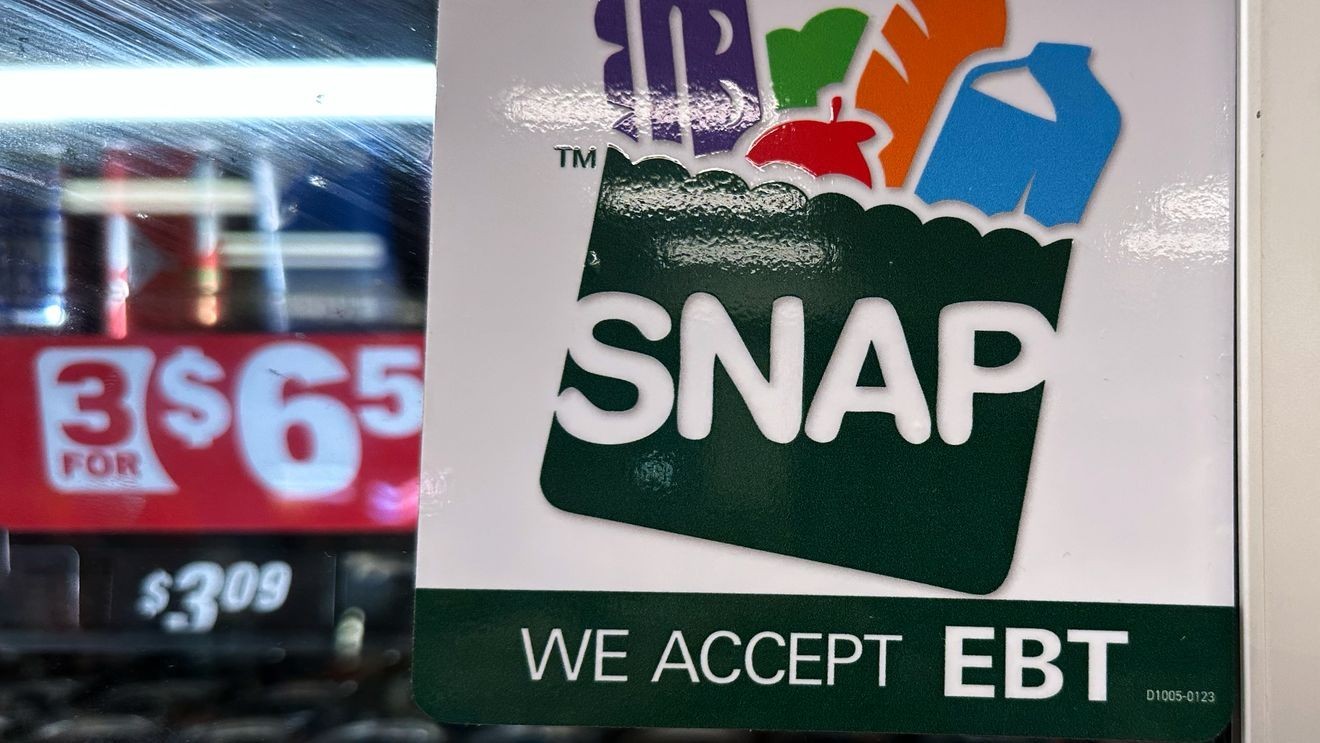
EL PASO, Texas (KFOX14/CBS4) — Texas could face hundreds of millions of dollars in new costs under changes to the Supplemental Nutrition Assistance Program included in the recently passed “One Big Beautiful Bill Act,” according to Feeding Texas.
The statewide network of food banks outlined the potential impact during a virtual press briefing on Wednesday, warning that the law could strain the state budget and threaten food access for millions of Texans who rely on SNAP benefits.
Under the legislation, formally known as HR 1, states will for the first time be required to share in the cost of SNAP food benefits if their payment error rates exceed a federal threshold. Feeding Texas said the change marks a major shift in the nearly 60-year history of the federal anti-hunger program.
Beginning Oct. 1, Texas will be required to cover 75% of SNAP administrative costs, which Feeding Texas estimates will add about $117 million annually to the state’s expenses, according to Feeding Texas.
A year later, states with SNAP payment error rates above 6% will also be required to pay between 5% and 15% of benefit costs. Texas currently has a payment error rate of 8.32%, which could result in an estimated $709 million in annual cost-sharing obligations, according to Feeding Texas.
SNAP is one of the most effective anti-hunger and economic support programs in the country,” said Celia Cole, chief executive officer of Feeding Texas. “The program helps more than 3 million Texans purchase food while injecting approximately $7 billion into the state’s agriculture and food sectors annually.
Cole said Texas officials are working to reduce the state’s payment error rate below the federal threshold, but cautioned that doing so will take time.
RECOMMENDED: Abbott-backed Texas SNAP rule blocks soda, sugary drinks and candy purchases
Feeding Texas Virtual Media Briefing May 20, 2026
“We’re advocating for a realistic timeline to do so without jeopardizing food access to millions of children, seniors and working families or harming the state’s food economy,” she said.
Feeding Texas emphasized that SNAP payment error rates are not indicators of fraud. Instead, the rates measure how accurately benefits are calculated and include both overpayments and underpayments.
The organization noted that SNAP fraud remains rare in Texas. Fewer than 0.1% of SNAP households were found to have committed an intentional program violation during fiscal year 2025, according to Feeding Texas.
The organization also warned that food banks cannot make up for large-scale reductions in SNAP support. Texas food banks distribute more than 700 million pounds of food annually through more than 4,000 community partners, but Feeding Texas said SNAP provides nine meals for every one meal distributed by food banks.
Cole called on Congress to delay implementation of the cost-sharing requirement by two years, similar to exemptions already granted to states including Alaska and Florida.
“Technology upgrades, staff training and policy improvements do not happen overnight,” Cole said. “But we’re confident Texas can reduce its PER below the federal threshold with a realistic implementation timeline.”
Kris Yagel, interim CEO of El Pasoans Fighting Hunger, said there is a lot of uncertainty.
“There are changes happening, and what that translates to our level here, we are not exactly sure yet, so that’s alarming. We have to keep doing what we are doing,” said Yagel.
“Our poverty rate is definitely higher. Food insecurity here is actually is at47% percent, so we’re nearing having the region in food insecurity, it’s twice the national average,” said Yagel.
Sign up to receive the top interesting stories from in and around our community once daily in your inbox.