
The waitlists are scheduled to open for one week in June. While staff told the board it would be open from June 15 to 26, a spokesperson later said dates have yet to be confirmed.
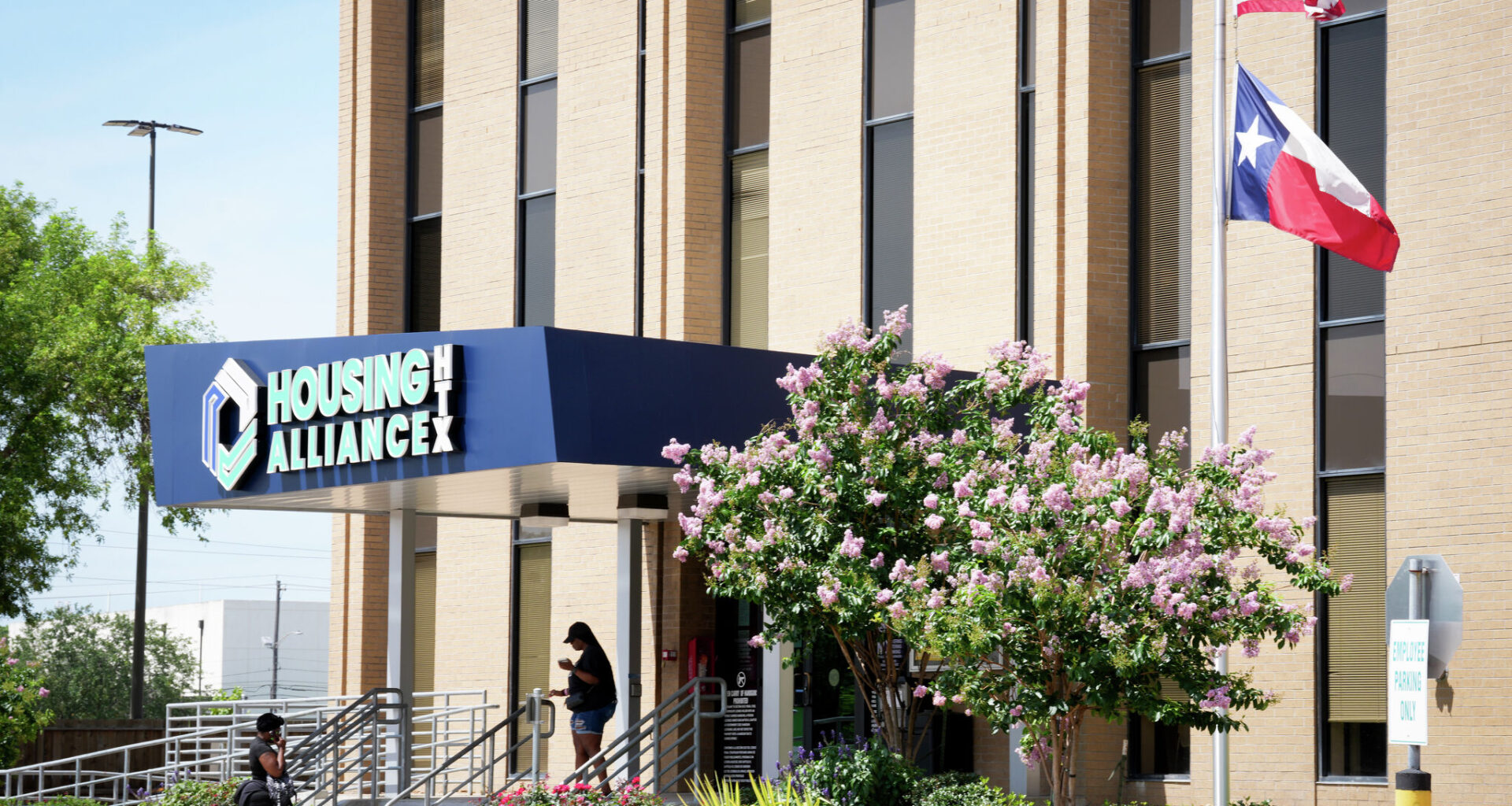
The board voted unanimously to add eligible households from the existing 2,500 Housing Choice Voucher waitlist to the public housing waitlists as they open. Houston’s housing authority recently rebranded as Housing Alliance HTX.
In a memo, Kenneth Coles, senior vice president of voucher program operations for Houston’s housing agency, said allowing voucher applicants to be added to public housing waiting lists would expand “access to housing opportunities” and “reduce duplicative intake processing.”
Those on the Housing Choice Voucher waitlist will be notified of the opportunity to “crosslist” their application to join the waitlist of specific public housing properties, and will not have to go through a lottery to join that waitlist, said the housing authority spokesperson. Staff said more details would be released on June 1.
While 2,500 households are currently on the Housing Choice Voucher waitlist and more than 8,000 are already on the public housing waitlist, those numbers include families that may no longer be eligible for housing or whose contact information is out of date.
Plans are underway to redevelop Houston’s public housing by 2034 through several programs. The redevelopment would bring much-needed investment to apartments, many of which lack basic amenities such as central air conditioning. During the process, they will cease to be public housing and become funded by other subsidies, such as project-based vouchers. Residents living in public housing have been offered Housing Choice Vouchers, which can be used for any apartment that will accept the subsidy, as their buildings are redeveloped.
Project-based vouchers are a different type of federal subsidy that can go to private companies instead of public housing authorities. A voucher covers the difference between the rent a tenant can afford and the market rate. Since developers receive market-rate rents, they are responsible for maintenance. In contrast, housing authorities are responsible for maintaining public housing, but Congress has chronically provided less funding than is needed to make repairs for those properties. For example, city documents peg the need for capital investments in public housing at around $250 million, but the authority only receives about $8 million a year from the federal government to address those needs.