
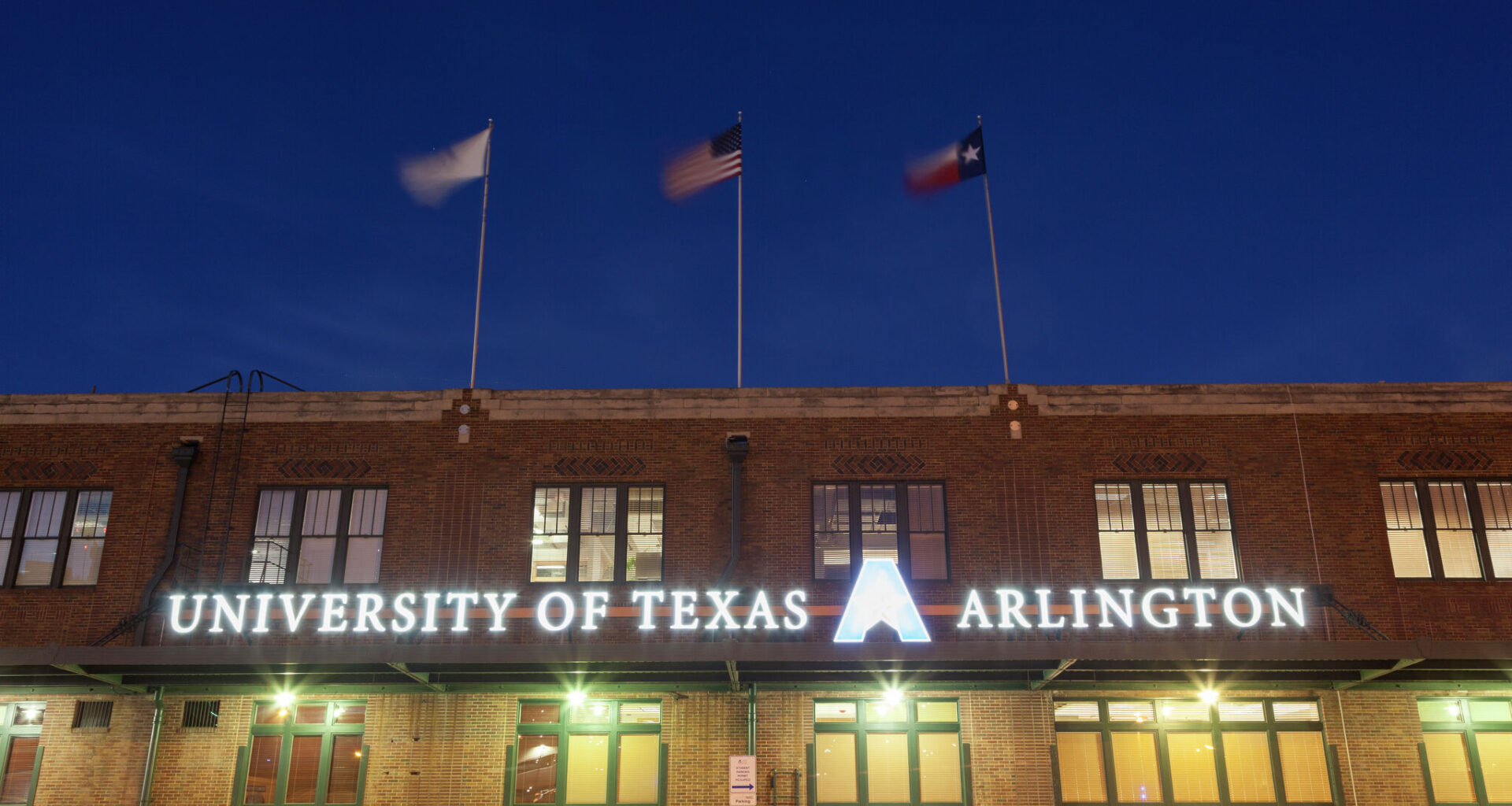
A Texas university is overhauling its academic portfolio, suspending admissions to some programs while merging and consolidating others. It’s the latest in a series of such moves that has affected multiple universities in the state and nationwide.
Back in February, Open Campus reported the University of Texas at Arlington had been conducting an audit of its undergraduate and master’s degrees. UTA representative Jeff Caplan told the outlet the school was trying to ensure its offerings were matching the demands of students, Texas’ workforce, and the school’s “long-term sustainability.”
On May 8, UTA publicly announced its intentions to suspend new admissions to five of its programs and merge “overlapping degree pathways” into single programs. The following programs are suspending new admissions as of Aug. 1:
Anthropology and Materials Science, according to UTA, are undergoing a curriculum “reimagining,” likely meaning that the courses will be merged into another program or that the program will transform into something broader. That will also be revealed Aug. 1.
Elsewhere, UTA is “consolidating overlapping degree pathways” into single programs, effective Aug. 1.
According to UTA, the specialized programming in mathematics and theater arts will be retained as a track rather than a standalone degree. All told, the above changes, again according to the university, will affect “less than 200” students.
UTA’s reorganization is taking place against statewide and nationwide backdrops. Earlier this year, state funding cuts and a sharp decline in international enrollment fueled the University of North Texas’ decision to cut and consolidate more than 70 academic programs in order to close a projected $45 million budget shortfall. Texas A&M is pausing undergraduate enrollment growth for several years at its main campus to develop the infrastructure needed to support a growing student body.
The University of Texas at Austin is facing a different problem: Liberal arts staff at the flagship school have grown increasingly concerned that they’ll be axed as the government cracks down on “DEI” and “woke” programming. Courses at risk include African, Mexican and gender studies.
Across the country, there is also a bigger concern. The number of high school graduates is expected to decline. According to the Western Interstate Commission for Higher Education, the grim forecast is fueled by declining birth rates and other demographic shifts. That’s less 18-year-olds, less students enrolling in college and, possibly, less colleges.