
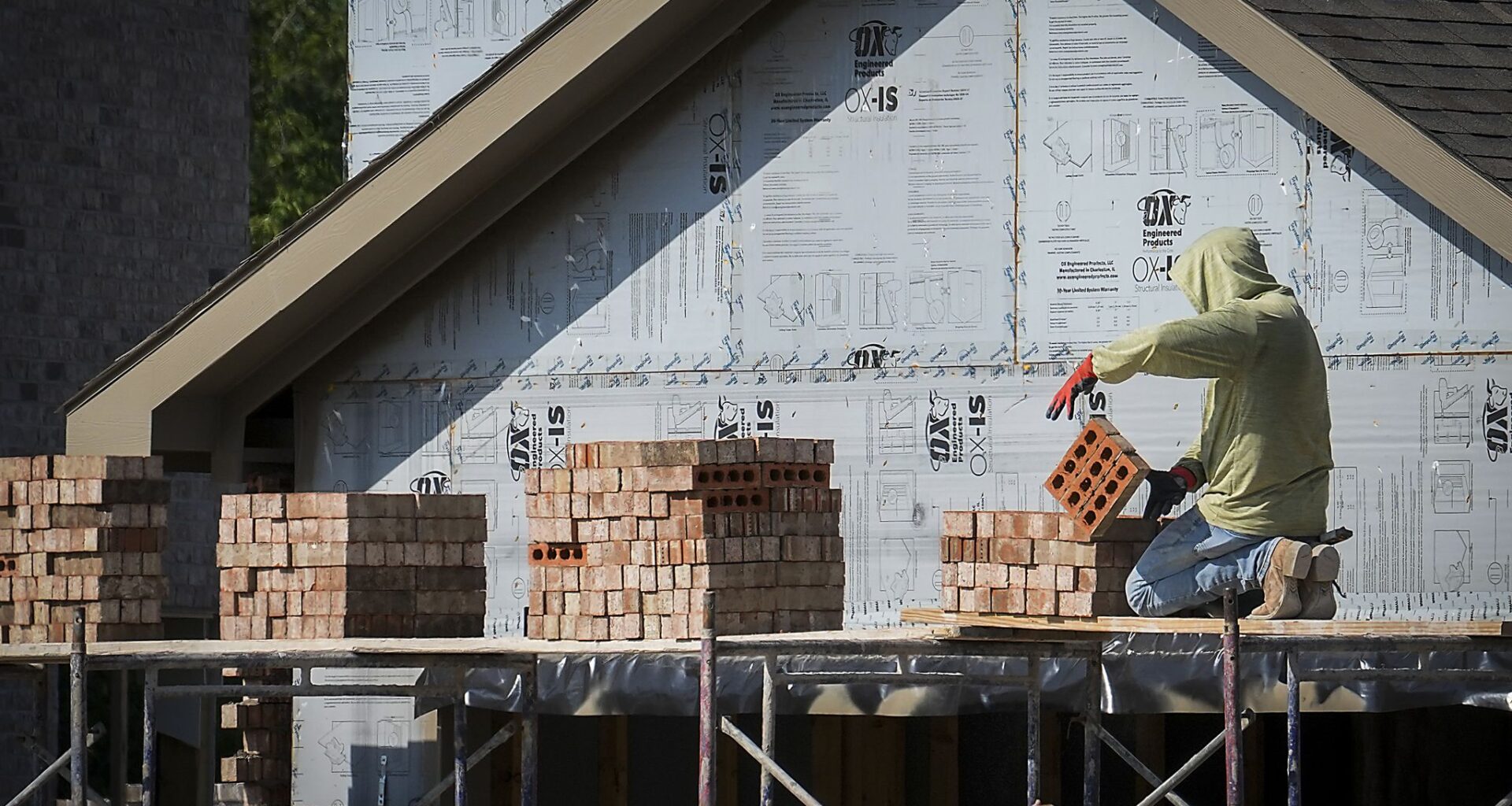
Construction is seen on homes in the Monticello Park subdivision on Monday, Sept. 8, 2025, in Princeton, Texas.
Smiley N. Pool/Staff Photographer
Collin County keeps booming, and new data from the U.S. Census Bureau shows it’s a hotbed for some of the fastest growth in America.

Not only were the top five fastest-growing cities with populations of 20,000 or more all in Texas, four of them were in Collin County, according to a May report from the bureau.
Article continues below this ad
From 2024 to 2025, Celina was the fastest-growing city in the country, surging by nearly 25%. It earned the No. 1 spot in 2023 as well. Fulshear, outside of Houston, was the second fastest-growing city in the country, per the census report. In third came Princeton, named America’s fastest-growing city in 2024, then Melissa and Anna.
It’s a story of growth that’s been years in the making. When Lloyd Potter became the state demographer in 2010, Plano was “a bedroom community,” he said.
“It was way out there, outside of Dallas, and people were living there and commuting into Dallas,” he said. “Now that’s completely different. Plano is completely built out. … They can’t really add more people.”
Today, the open opportunity is in places like Celina, Potter said.
Article continues below this ad
Make Dallas News a preferred source so your search results prioritize writing by actual people, not AI.
Add Preferred Source
“They have a fair amount of property that either is currently being developed or has potential to be developed,” he said. “That then creates this flow of domestic migrants.”
Places like Collin County are attractive because housing there is more affordable, growing communities tend to have better school districts and jobs are being created up north, Potter said.
Overall in the U.S., the Census Bureau found a widespread national slowdown in population growth. But as big-city growth slowed between 2024 and 2025, midsize cities staved off sluggish growth — a result of domestic and international migration and new housing, according to a statement from Matt Erickson, a statistician in the Census Bureau’s Population Division.
Article continues below this ad
The bureau found a pattern: growth in central cities was outpaced by surrounding midsize cities, and North Texas was no exception.
Potter said patterns similar to the growth in Collin County can be found in the Houston area, and to a lesser extent, around Austin and San Antonio. But Collin County stands out from the rest of the state.
“The pace and the magnitude has been a little bit more significant in some of the counties north of Dallas and Fort Worth,” he said.
Article continues below this ad
North Texas is set apart in some ways by its economic success, Potter said, with cities like Plano attracting “one corporation after another” and contributing to the area’s growth.
As cities add more residents, Potter said they can expect to start building out like Plano has, leading to more development in unincorporated areas and cities creating extraterritorial jurisdictions. New cities may also incorporate.
Population growth often contributes to a more vibrant economy, increased property values and more revenue for local governments to address some of “the biggest headaches of rapid population growth,” Potter said — more demand for infrastructure, water, power, schools, retail, roads and more.
Article continues below this ad
Email tips on all things Collin County to lilly.kersh@dallasnews.com.